
Кластерный анализ качества жизни больных с начальной меланомой хориоидеи после органосохранного лечения
Резюме
Качество жизни пациентов определяется физическим, социальным, психическим функционированием и основано на субъективных оценках. Ранее не проводили кластерного анализа качества жизни (оценки общего здоровья и зрительных функций) пациентов с начальной меланомой хориоидеи после различных видов органосохраняющего лечения.
ЦЕЛЬ ИССЛЕДОВАНИЯ
Оценить качество жизни, включающее общее здоровье и зрительные функции, после различных видов органносохранного лечения пациентов с начальной меланомой хориоидеи с помощью кластерного анализа.
МАТЕРИАЛ И МЕТОДЫ
Проведен кластерный анализ качества жизни: оценивали изменение зрительных функций (опросник VF-14 — Visual Function Index), физического и психического здоровья (опросник SF-36 — MOS 36-item Short-Form Health Survey) 110 больных с начальной меланомой хориоидеи (возраст 59,1±11,6 года) после разрушающей лазеркоагуляции, транспупиллярной термотерапии, брахитерапии. Срок наблюдения составил 8 [6; 10] лет. Статистический анализ: метод минимальной дисперсии Уорда, евклидова дистанция, критерий Краскела—Уоллиса.
РЕЗУЛЬТАТЫ
Субъективно оцененная острота зрения зависит от метода лечения преимущественно для пациентов женского пола (p<0,01). Применение разрушающей лазеркоагуляции показало наилучшие результаты качества жизни (79,7±21,1%), транспупиллярной термотерапии — промежуточные (70,2±22%), брахитерапии — низкие (61±27,4%). Различий по критериям физического и психического здоровья после трех методов лечения не выявлено. Попарный анализ различий по отдельным параметрам психического и физического здоровья продемонстрировал отсутствие различий между группами для обоих полов.
ЗАКЛЮЧЕНИЕ
Субъективно оцененная на основе кластерного анализа острота зрения у пациентов с начальной меланомой хориоидеи зависит от метода лечения, локализации опухоли и значимо снижается после брахитерапии, влияя на качество жизни преимущественно у женщин (p<0,017). Кластерный анализ качества жизни пациентов с начальной меланомой хориоидеи показал, независимо от гендерных различий, стабильное психическое и физическое состояние здоровья пациентов с начальной меланомой хориоидеи после различных видов органосохранного лечения (p>0,05).
Ключевые слова
- качество жизни
- начальная меланома хориоидеи
- опросник VF-14
- Visual Function Index
- опросник SF-36
- MOS 36-item Short-Form Health Survey
Дата поступления: 27.07.2024
Дата принятия в печать: 12.08.2024
Дата публикации: 29.10.2025
Качество жизни пациентов представляет собой интегральное понятие, определяющее их физическое, социальное и психическое функционирование, и основано на субъективных оценках [1—3]. Для больных с патологией органа зрения наиболее универсальным является опросник Visual Function Index (VF-14), который состоит из 14 вопросов, определяющих возможность чтения, выполнения профессиональных и бытовых обязанностей, социальную активность [4]. Кроме того, применяют опросник исследования качества жизни онкологических пациентов общего типа MOS 36-item Short-Form Health Survey (SF-36), включающий 36 вопросов, сгруппированных в 8 шкал физического и психического компонентов здоровья [4—6].
Увеальная меланома (УМ) — злокачественная опухоль, поражающая радужку, цилиарное тело, хориоидею, ведущая к метастазированию и высокой смертности [7, 8]. Лечение УМ включает органосохраняющие (разрушающая лазеркоагуляция (РЛК), транспупиллярная термотерапия (ТТТ), брахитерапия (БТ)) и ликвидационные (энуклеация, экзентерация) методы [9, 10].
Анализ качества жизни пациентов с УМ после брахитерапии и ликвидационного лечения оценивался рядом авторов, которые не выявили значимой разницы в показателях после энуклеации и брахитерапии [11]. Другие исследователи, напротив, определили качество жизни пациентов с УМ как «хорошее» и впервые в России продемонстрировали лучший уровень качества жизни пациентов после энуклеации по сравнению с уровнем после органосохранного лечения [12]. Группой отечественных ученых доказано, что качество жизни пациентов с УМ ниже, чем у здоровой популяции, при этом через 1 год после органосохранного лечения оно значимо улучшалось. После энуклеации показатели оказались хуже по сравнению с таковыми после брахитерапии [4].
Несмотря на существующие литературные данные, ранее не проводили кластерного анализа качества жизни с оценкой общего здоровья и зрительных функций после различных видов органосохранного лечения у пациентов с начальной меланомой хориоидеи.
Цель исследования — оценить качество жизни, включающее общее здоровье и зрительные функции, после различных видов органосохранного лечения пациентов с начальной меланомой хориоидеи с помощью кластерного анализа.
Материал и методы
Обследованы и пролечены 110 пациентов с меланомой хориоидеи в возрасте от 40 до 65 лет (в среднем 59,1±11,6 года). В соответствии с классификацией, разработанной в 1983 г. J. Shields, в исследование включены пациенты с меланомой хориоидеи малых размеров (с проминенцией до 3 мм, диаметром основания до 10 мм).
Всем больным проводили общеофтальмологические обследования и специальную инструментальную диагностику (УЗИ, спектральную оптическую когерентную томографию).
Офтальмоскопически все опухоли локализовывались внемакулярно. Уровень проминенции опухолей, по данным УЗИ, составил от 1,0 до 3,0 (в среднем 2,0±0,7) мм, диаметр основания — от 6 до 10 (в среднем 8,1±0,6) мм.
Анализ особенностей зрительных функций до лечения у пациентов с начальной меланомой хориоидеи внемакулярной локализации показал, что некорригированная острота зрения вдаль составила 0,6±0,34, максимально корригированная острота зрения вдаль — 0,82±0,27.
РЛК проводили 37 больным с начальной меланомой хориоидеи (проминенция до 1,5 мм) по барьерной технике с использованием диодного лазера с длиной волны 532 нм (NIDEK GYC-1000, Япония). ТТТ осуществляли 30 пациентам с начальной меланомой хориоидеи (проминенция от 1,6 до 2,5 мм) диодным лазерным фотокоагулятором с длиной волны 810 нм (NIDEK DC-3000, Япония). БТ выполняли 43 пациентам с начальной меланомой хориоидеи (толщина от 2,6 до 3,0 мм). Использовали стронциевые (90Sr + 90Y) и рутениевые (106Ru + 106Rh) офтальмоаппликаторы диаметром от 17 до 22 мм.
Медиана срока наблюдения за пациентами в динамике составила 8 [6; 10] лет.
Выполнен кластерный анализ качества жизни в отношении изменения зрительных функций, физического и психического здоровья 110 одновозрастных больных с начальной меланомой хориоидеи (возраст в среднем 59,1±11,6 года) после различных видов органосохранного лечения (РЛК, ТТТ и БТ). После РЛК оценивали качество жизни у 37 пациентов, после ТТТ — у 30, после БТ — у 43.
Для проведения исследования зрительных функций леченого глаза и степени адаптации пациента к нарушению бинокулярного зрения применяли опросник VF-14, характеризующий 14 видов повседневной деятельности, с использованием кластерного анализа. Сумма, полученная на основании ответов пациентов, характеризует степень удовлетворенности больного своим качеством жизни с учетом нарушения зрения. В качестве признаков, на основе которых строились кластеры, взяты ответы 110 больных на вопросы опросника VF-14, учитывающие 14 видов повседневной деятельности (рис. 1).
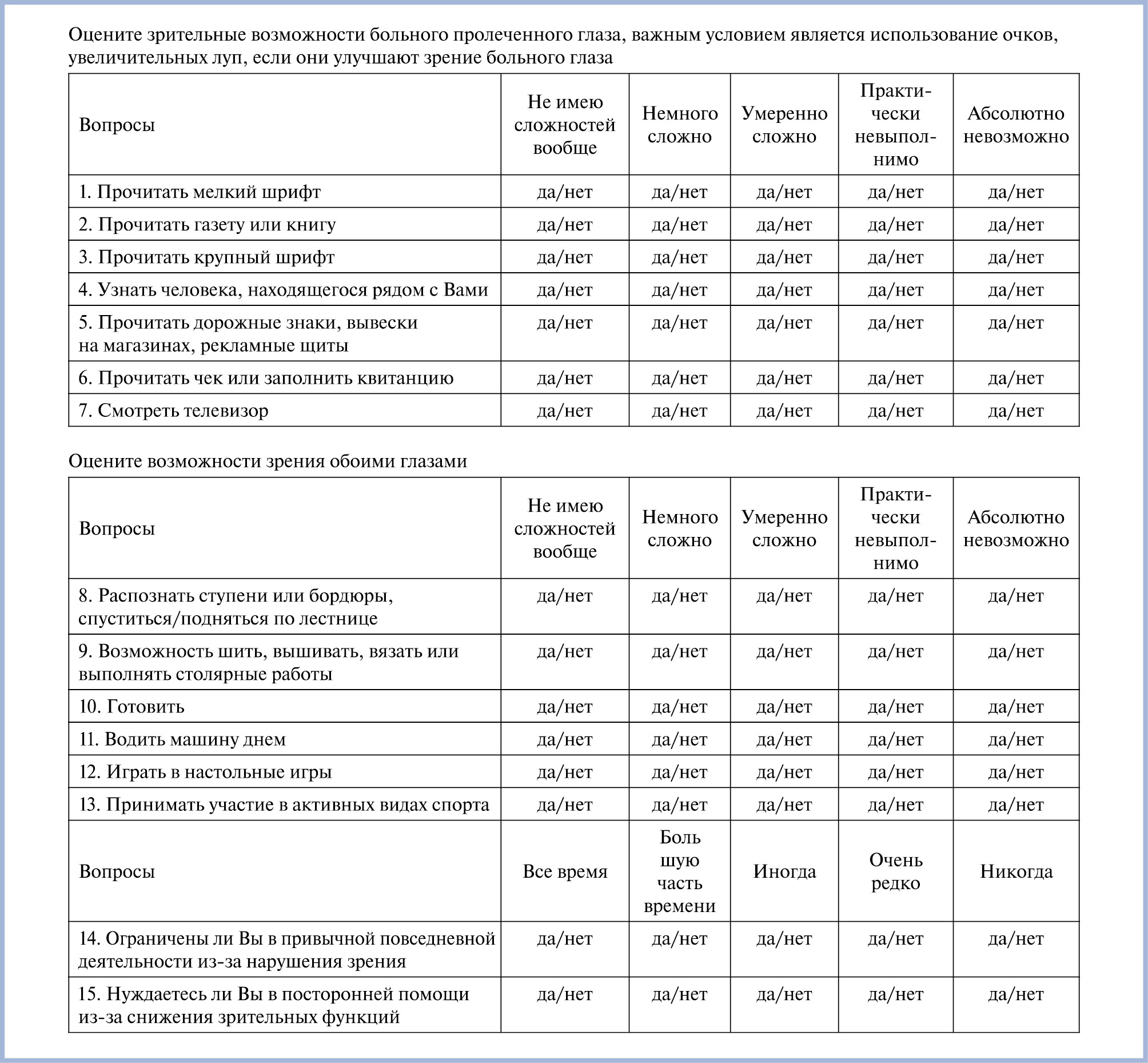
Рис. 1. Список вопросов и образцов ответов опросника VF-14, используемого у пациентов с начальной меланомой хориоидеи после органосохранного лечения.
В качестве инструмента для оценки качества жизни 110 больных с начальной меланомой хориоидеи после различных методов органосохранного лечения использовали неспецифический опросник для онкологических больных общего типа SF-36, содержащий 36 вопросов, которые сгруппированы в 8 шкал. Исследовали физический (общее состояние здоровья, физическое функционирование, ролевое физическое функционирование, интенсивность боли) и психический (ролевое эмоциональное функционирование, социальное функционирование, жизненная активность, психическое здоровье) компоненты здоровья с использованием кластерного анализа. Результаты исследования выражали в баллах от 0 до 100 по каждой из восьми шкал. Средние значения показателей здоровой популяции составляют 50±10 баллов (рис. 2).
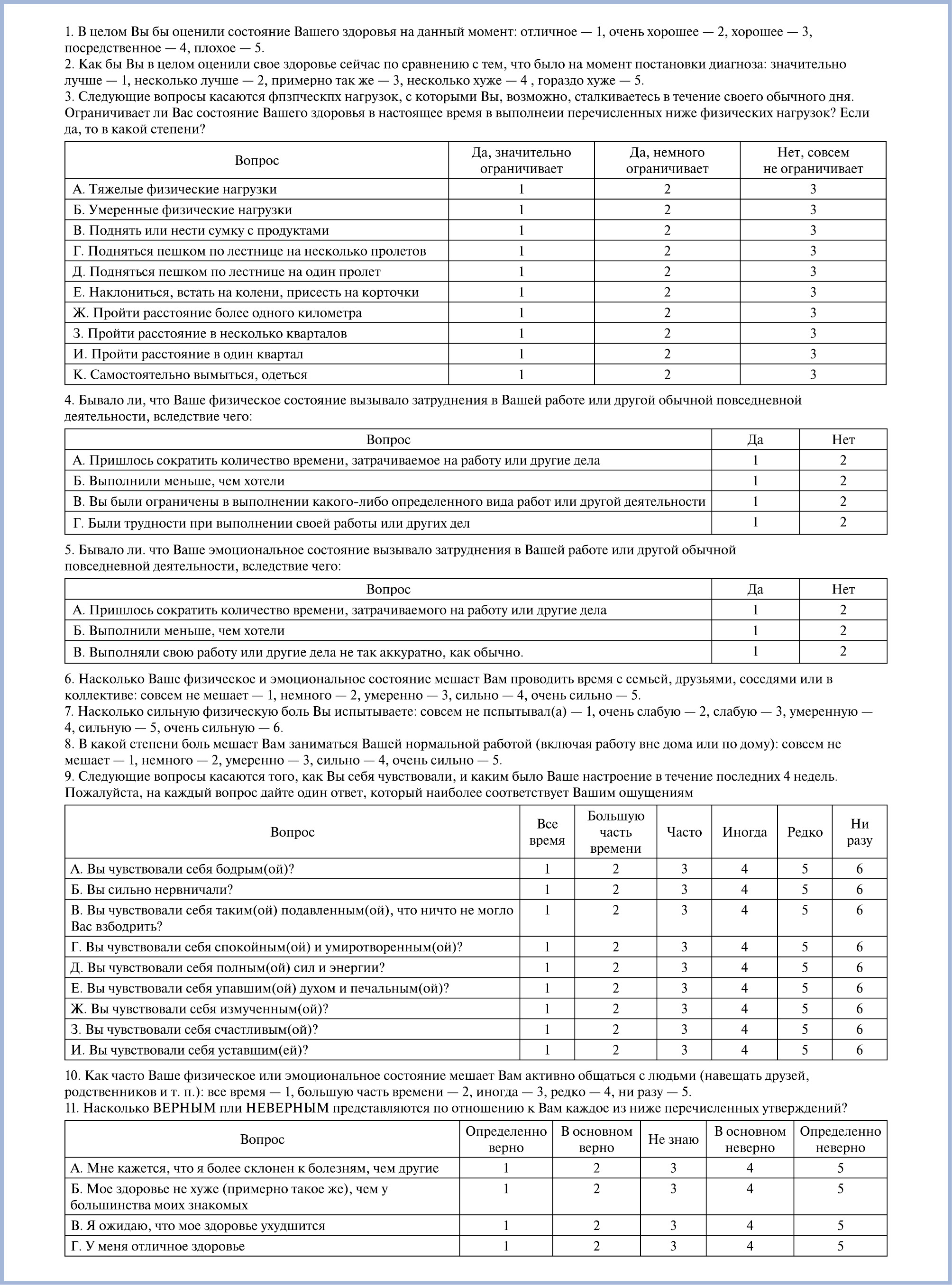
Рис. 2. Список вопросов и образцов ответов опросника SF-36, используемого у пациентов с начальной меланомой хориоидеи после органосохранного лечения.
Анализ базировался на принципиально новой оценке значимости вопросов опросников как инструмента измерения изучаемых явлений. При этом применяли метод минимальной дисперсии Уорда, евклидову дистанцию. В качестве метода масштабирования использовали среднеквадратическое отклонение. Тип переменных — номинальные.
Результаты и обсуждение
Оценка остроты зрения после различных методов органосохранного лечения
К полученным значениям разности кодов ответов каждого из 110 пациентов в отношении всех вопросов опросника применили кластерный анализ, в результате чего построили дендрограмму, основанную на высказанном мнении об изменении своего качества жизни после лечения и позволившую разделить пациентов на 10 кластеров (рис. 3). Максимальная дистанция для разнесения в отдельные кластеры — 1,300741.
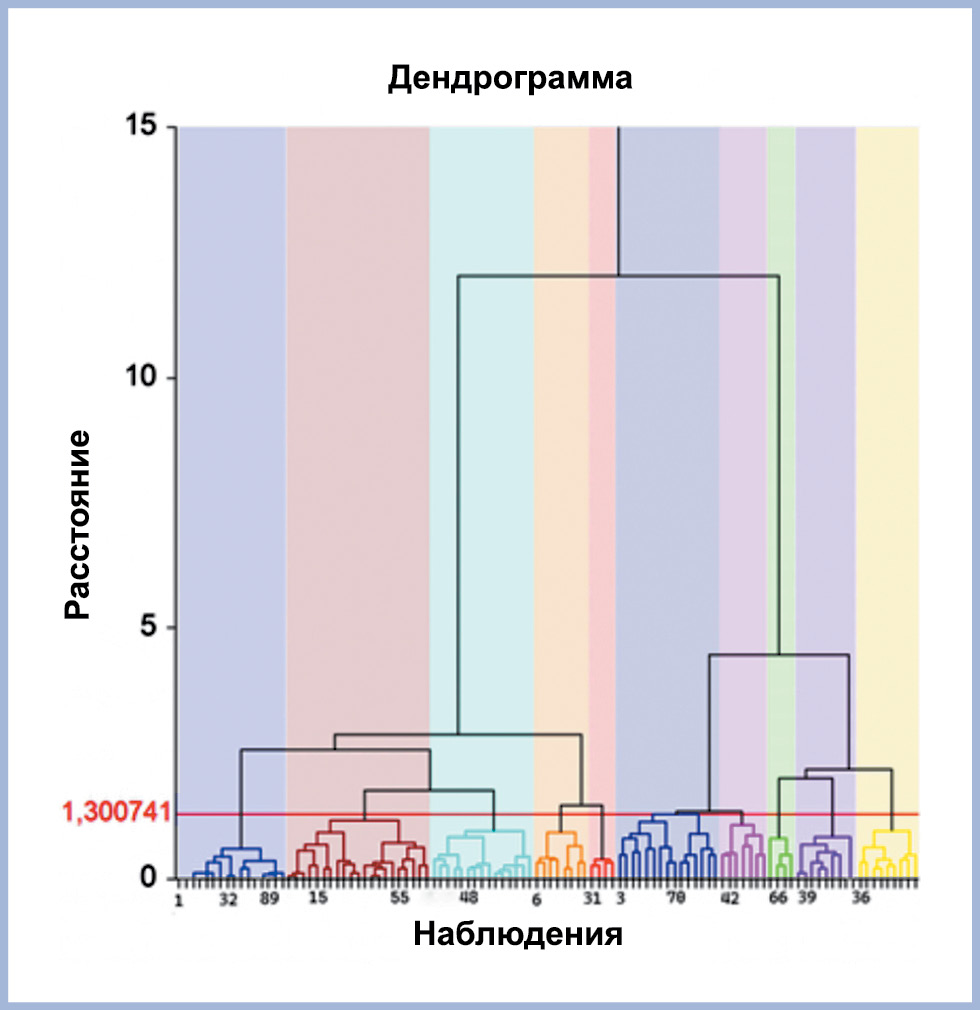
Рис. 3. Дендрограмма, характеризующая степень близости ответов пациентов на вопросы опросника VF-14, заданные после органосохранного лечения пациентам с начальной меланомой хориоидеи.
Каждый кластер характеризовался определенным количеством пациентов и вариантами ответов на вопросы опросника: 1-й кластер — 4 пациента (сложность в выполнении действий, описанных в вопросах 1—7, отсутствие сложностей в вопросах 8—15); 2-й кластер — 16 пациентов (отсутствие сложностей в выполнении действий, описанных в вопросах 1—15); 3-й кластер — 4 пациента (высокая сложность в выполнении действий, описанных в вопросах 1—3 и 6, сложность в вопросах 4, 5 и 7, отсутствие сложностей в вопросах 8—10 и 13—15, отсутствие ответа на вопросы 11, 12); 4-й кластер — 9 пациентов (высокая сложность в выполнении действий, описанных в вопросах 1—7, сложность в вопросах 8, 9 и 11—15, отсутствие сложностей в вопросе 10); 5-й кластер — 8 пациентов (сложность в выполнении действий, описанных в вопросах 1, 2, 6 и 9, отсутствие сложностей в вопросах 3—5, 7, 8, 10 и 12—15, отсутствие ответа на вопрос 11); 6-й кластер — 9 пациентов (высокая сложность в выполнении действий, описанных в вопросах 1—3 и 6, сложность в вопросах 4, 5, 7, 11 и 13, 14, отсутствие сложностей в вопросах 8—10, 12 и 15); 7-й кластер — 15 пациентов (сложность в выполнении действий, описанных в вопросах 1, 2, отсутствие сложностей в вопросах 3—15); 8-й кластер — 7 пациентов (высокая сложность в выполнении действий, описанных в вопросе 1, сложность в вопросах 2—7, 9 и 11—15, отсутствие сложностей в вопросах 8 и 10); 9-й кластер — 21 пациент (сложность в выполнении действий, описанных в вопросе 1, отсутствие сложностей в вопросах 2—10, 12 и 14, 15, отсутствие ответа на вопросы 11 и 13); 10-й кластер — 15 пациентов (высокая сложность в выполнении действий, описанных в вопросе 9, сложность в вопросах 1—3, 5—8 и 11—15, отсутствие сложностей в вопросах 4 и 10).
На основе полученных данных кластерного анализа выявлено, что субъективно оцененная острота зрения пациента зависит от метода лечения. Общий анализ трех методов показал наличие значимых различий между пациентами, которым проводили РЛК, ТТТ и БТ (p<0,01). Применение РЛК позволило добиться наилучших результатов с минимальным рассеиванием (в среднем 79,7±21,1%), применение ТТТ показало промежуточный результат с аналогичной сходимостью (в среднем 70,2±22%). Применение БТ не только привело к снижению итоговой остроты зрения, но и показало больший разброс результатов (в среднем 61±27,4%) (рис. 4). Согласно попарному сравнению методов, статистически достоверные различия накапливаются при сравнении «лучшего» и «худшего» методов (РЛК и БТ, p<0,017), при этом различия по остроте зрения при сравнении РЛК и ТТТ, ТТТ и БТ не достигли уровня значимости.
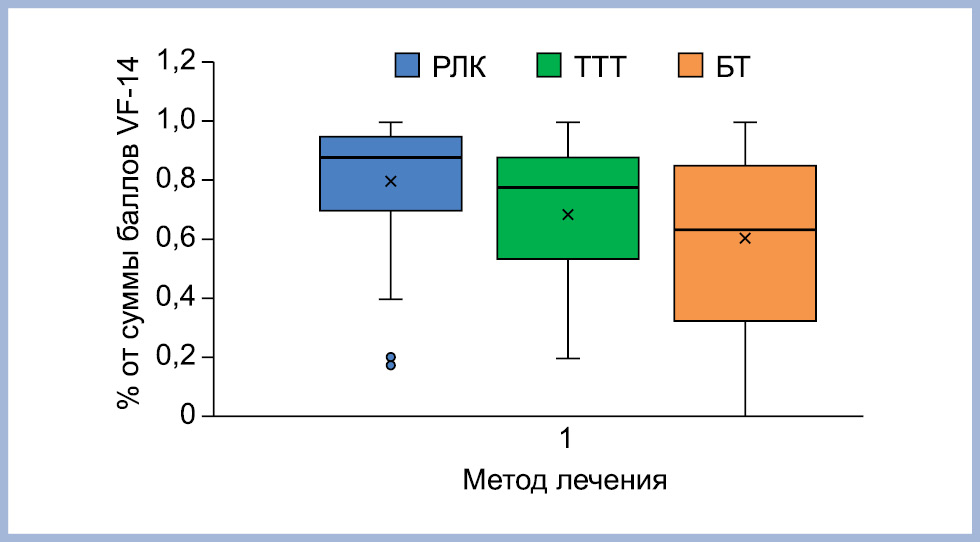
Рис. 4. Субъективное качество зрения после различных методов органосохранного лечения.
Примечание. * — выборки с p<0,017 при попарном сравнении; здесь и на рис. 5, 7—9: РЛК — разрушающая лазеркоагуляция; ТТТ — транспупиллярная термотерапия; БТ — брахитерапия.
Субъективно оцененная острота зрения пациента зависит от метода лечения преимущественно для пациента женского пола. Общий анализ 3 методов показал наличие значимых различий при сравнении групп, проходивших лечение методами РЛК, ТТТ и РЛК, БТ (p<0,01). Применение РЛК позволило добиться наилучших результатов с минимальным рассеиванием, применение ТТТ и БТ показало промежуточные результаты. Для пациентов мужского пола различия среди групп, проходивших различное лечение, не достигли статистической значимости (рис. 5). Впервые доказали с помощью кластерного анализа эффективность опросника VF-14 для отражения качества жизни пациентов с начальной меланомой хориоидеи, связанного с изменением зрительных функций.
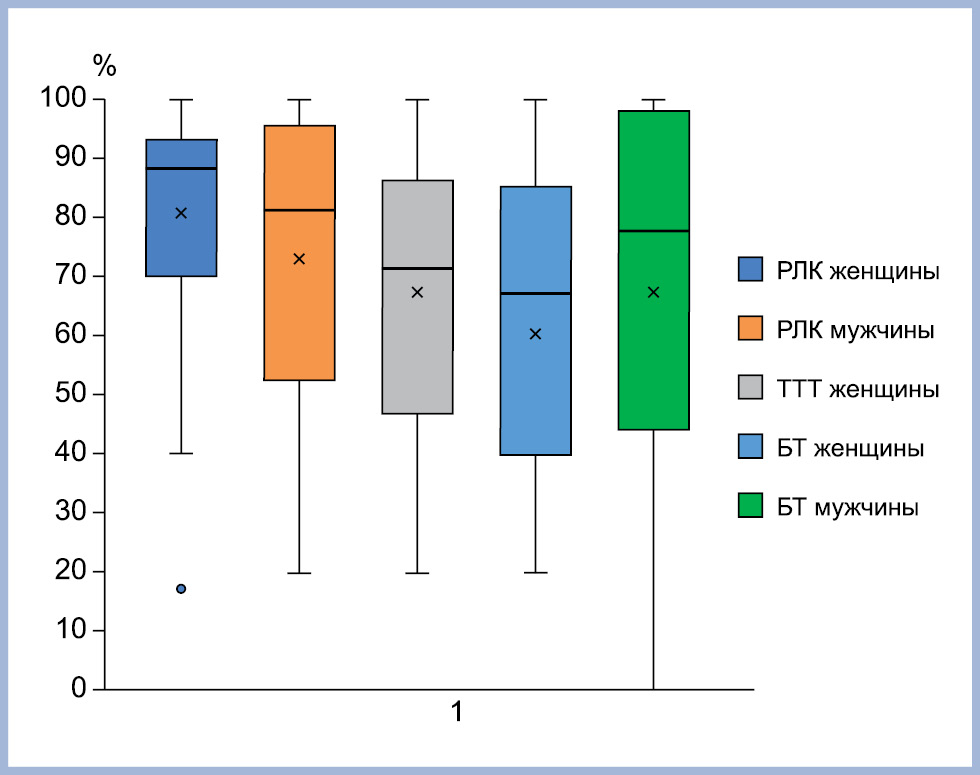
Рис. 5. Субъективное качество зрения после различных методов органосохранного лечения в зависимости от пола.
Оценка критериев физического и психического здоровья после различных методов органосохранного лечения
К полученным значениям разности кодов ответов каждого из 110 пациентов на все вопросы опросника применили кластерный анализ, в результате чего построили дендрограмму, основанную на высказанном мнении об изменении своего качества жизни после лечения и позволившую разделить пациентов на 11 кластеров (рис. 6). Максимальная дистанция для разнесения в отдельные кластеры — 0,975397.
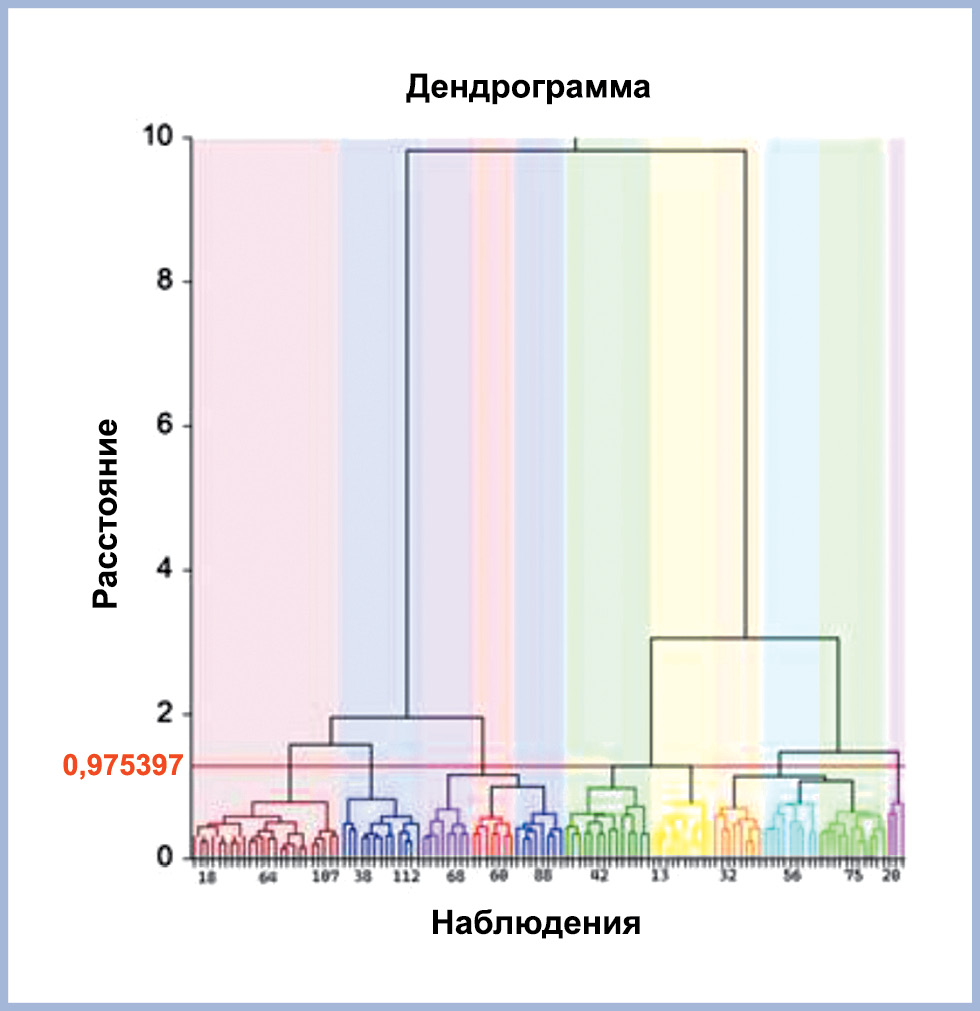
Рис. 6. Дендрограмма, характеризующая степень близости ответов пациентов на вопросы опросника SF-36, заданные после органосохранного лечения пациентам с начальной меланомой хориоидеи.
Каждый кластер характеризовался определенным количеством пациентов и вариантами ответов на вопросы опросника: 1-й кластер — 7 пациентов (высокая сложность в выполнении действий, описанных в вопросах 8, 9А, В, Г—И, 10, 11В, сложность в вопросах 3Б—К, 4Г, 9Б, 11А, Б, Г, отсутствие сложностей в вопросах 1, 2, 3А, 4А—В, 5); 2-й кластер — 8 пациентов (высокая сложность в выполнении действий, описанных в вопросах 6, 7, 9, 10, 11А, сложность в вопросах 1, 2, 3Б—К, 8, 11Б—Г, отсутствие сложностей в вопросах 3А, 4, 5); 3-й кластер — 11 пациентов (высокая сложность в выполнении действий, описанных в вопросах 3Г, Е, Ж, 6, 9В, Е, Ж, И, сложность в вопросах 1, 2, 3Б, В, Д, З, И, К, 5В, 7, 8, 9А, Б, Г, Д, З, 10, 11, отсутствие сложностей в вопросах 3А, Г, 4, 5А, Б); 4-й кластер — 8 пациентов (высокая сложность в выполнении действий, описанных в вопросах 6—8, 9А, В, Е, Ж, 11 А—В, сложность в вопросах 1, 2, 3Б—К, 5А, 9Б, Г, Д, З—К, 10, 11Г, отсутствие сложностей в вопросах 3А, 4А—Г, 5Б, В); 5-й кластер — 8 пациентов (высокая сложность в выполнении действий, описанных в вопросах 6, 9В, сложность в вопросах 3К, 7, 8, 9А, Б, Г, Д, 11, отсутствие сложностей в вопросах 1, 2, 3А—И, 4, 5); 6-й кластер — 10 пациентов (высокая сложность в выполнении действий, описанных в вопросах 6—9 в, сложность в вопросах 1, 2, 3Б—К, 9А, Б, Г—К, 10, 11, отсутствие сложностей в вопросах 3А, 4, 5); 7-й кластер — 9 пациентов (высокая сложность в выполнении действий, описанных в вопросах 6, 7, 9Е, Ж, сложность в вопросах 1, 2, 3Б, В, Е—И, К, 8, 11, отсутствие сложностей в вопросах 3А, Г, Д, 4, 5, 9А—Д, З-К); 8-й кластер — 3 пациента (высокая сложность в выполнении действий, описанных в вопросах 6, 7, сложность в вопросах 1, 2, 8, 9А, Г, З, 10, 11Б, отсутствие сложностей в вопросах 3, 4Г, 5В, 9Б, В, Д—Ж, 11А, В—Г); 9-й кластер — 24 пациента (высокая сложность в выполнении действий, описанных в вопросах 6—9, сложность в вопросах 1—3, 11Б, Г, отсутствие сложностей в вопросах 4, 5, 11А, В); 10-й кластер — 13 пациентов (высокая сложность в выполнении действий, описанных в вопросах 6—8, 9А, В, Е, Ж, сложность в вопросах 1, 2, 3Б—К, 9Б, Г, Д, З, И, 10, 11, отсутствие сложностей в вопросах 3А, 4, 5); 11-й кластер — 11 пациентов (высокая сложность в выполнении действий, описанных в вопросах 6—8, 9А, В, Е, Ж, сложность в вопросах 1, 2, 3Б—К, 9Б, Г, Д, З—К, 10, 11, отсутствие сложностей в вопросах 3А, 4, 5).
Для оценки качества жизни пациентов с начальной меланомой хориоидеи после различных вмешательств провели сравнение критериев физического и психического здоровья согласно опроснику SF-36. Впервые доказано с помощью кластерного анализа и применения критерия Краскела—Уоллиса отсутствие достоверных различий по данным показателям между тремя методами лечения. Попарный анализ различий по отдельным параметрам (физическое функционирование, ролевое физическое функционирование, ролевое эмоциональное функционирование, интенсивность боли, физическая активность, общее состояние, социальное функционирование) также продемонстрировал отсутствие различий между группами. Полученные результаты имеют высокую сходимость для всех анализируемых выборок (стандартное отклонение от 9,2 до 11 баллов) (рис. 7, 8). Таким образом, можно утверждать, что различные подходы к органосохранному лечению (РЛК, ТТТ, БТ) начальной меланомы хориоидеи не влияют на качество жизни пациентов.
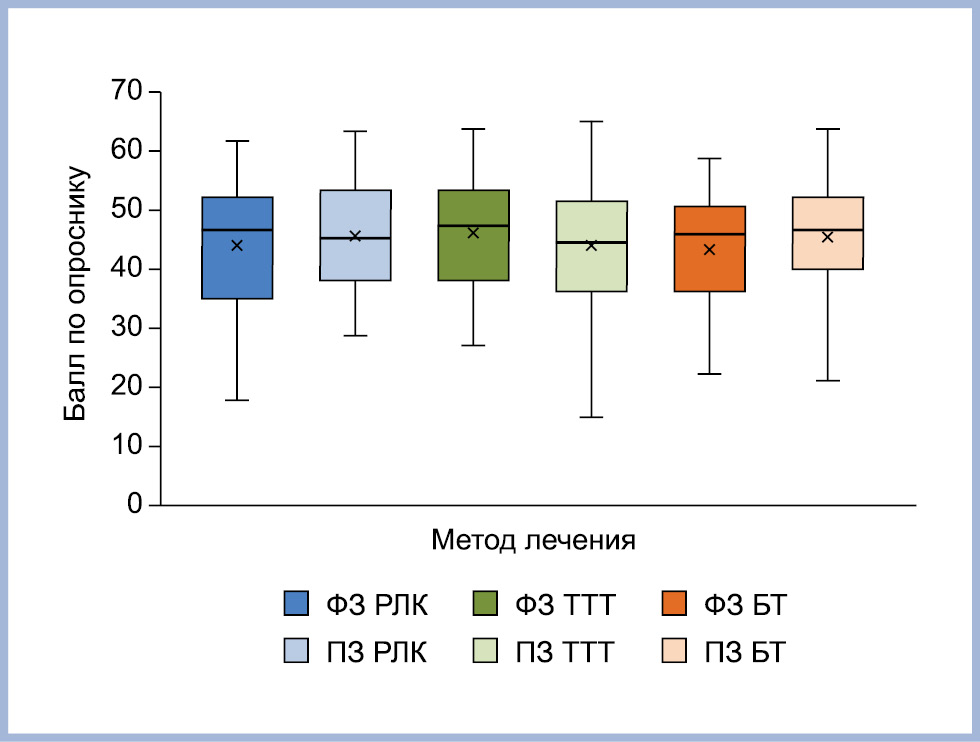
Рис. 7. Физическое и психическое здоровье пациентов с начальной меланомой хориоидеи при различных видах органосохранного лечения.
Примечание. ФЗ — физическое здоровье; ПЗ — психическое здоровье.
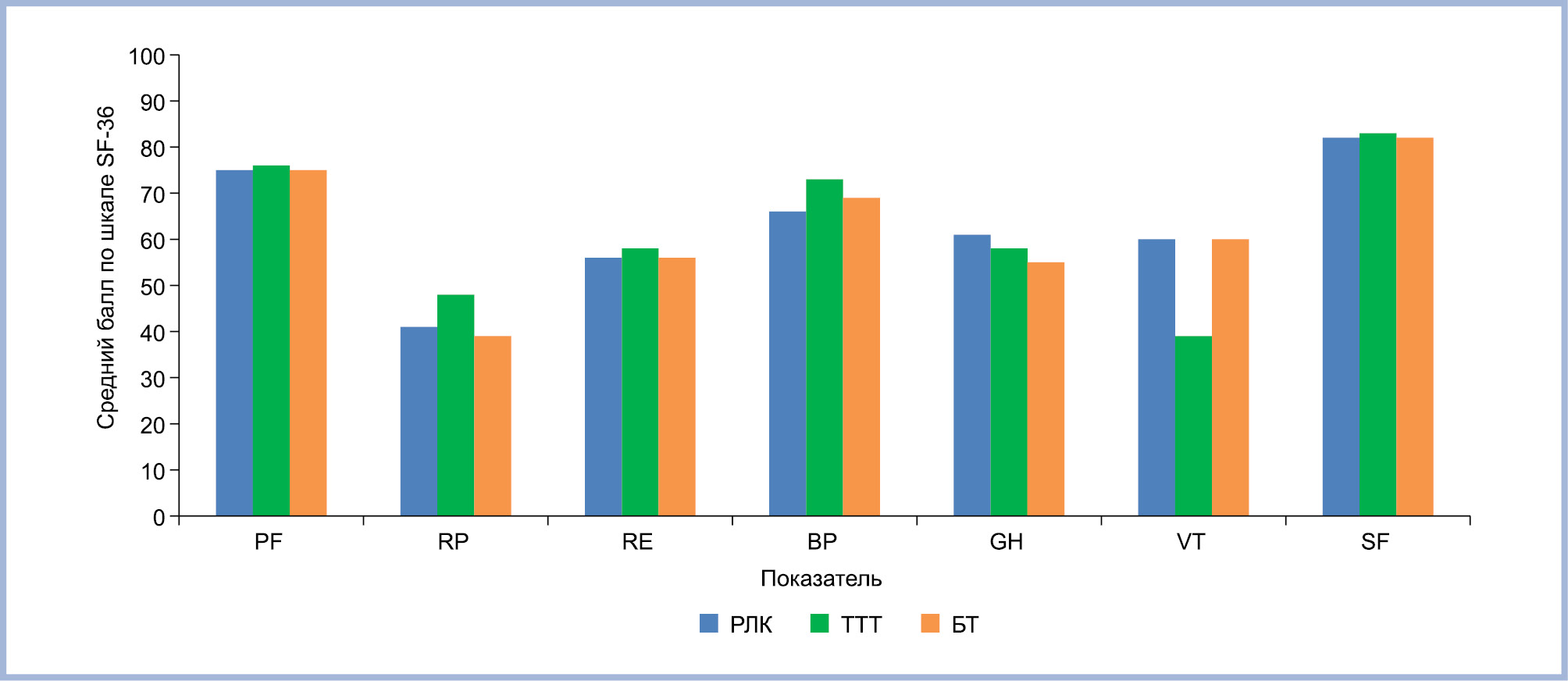
Рис. 8. Показатели качества жизни в зависимости от метода органосохранного лечения.
Примечание. PF — физическое функционирование; RP — ролевое физическое функционирование; RE — ролевое эмоциональное функционирование; BP — интенсивность боли; GH — общее состояние; VT — жизненная активность; SF — социальное функционирование.
Попарный анализ различий по отдельным параметрам психического и физического здоровья также продемонстрировал отсутствие различий между группами для обоих полов (рис. 9). Таким образом, можно утверждать, что различные подходы к органосохраняющему лечению и пол пациента не влияют на качество жизни пациентов с начальной меланомой хориоидеи.
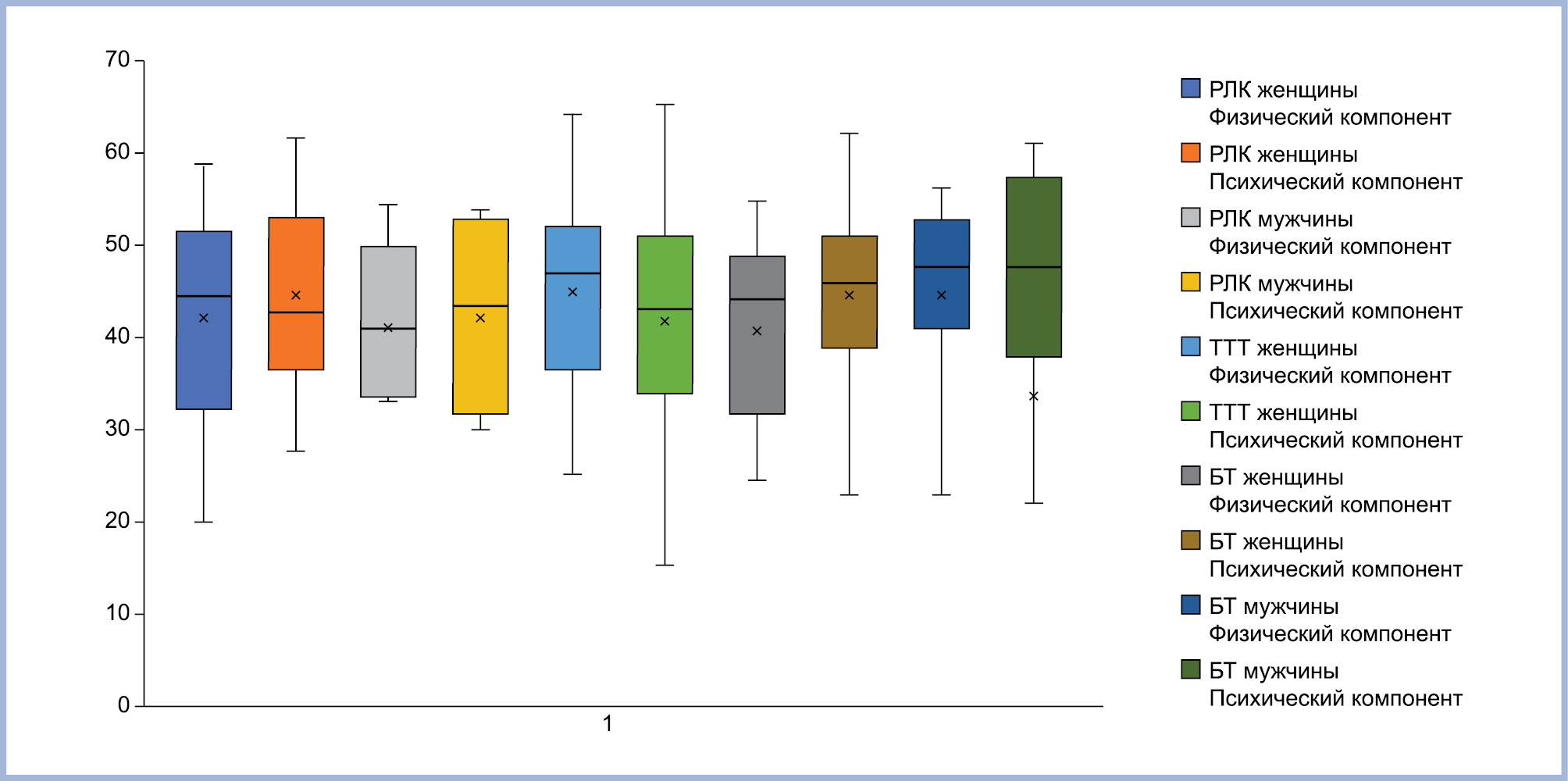
Рис. 9. Физическое и психическое здоровье пациентов разного пола после различных видов органосохранного лечения.
В существующих литературных источниках в основном проводится сравнительный анализ качества жизни пациентов с УМ после ликвидационного и органосохраняющего лечения. Так, ряд авторов считают, что при меланоме хориоидеи определены более высокие показатели качества жизни пациентов в отдаленном периоде наблюдения за счет блоков социального/семейного и повседневного благополучия, которые достоверно выявлены после энуклеации по сравнению с органосохранным лечением [13]. При сравнении рядом авторов изменения качества жизни пациентов с УМ после энуклеации и после радиохирургии КиберНожом статистически значимой разницы не выявлено [14].
Полученные собственные результаты оценки качества жизни доказывают, что у пациентов с начальной меланомой хориоидеи субъективно оцененная острота зрения зависит от метода лечения, локализации опухоли и значимо снижается после БТ, вызывая значимый дискомфорт у лиц преимущественно женского пола. Впервые доказана с помощью кластерного анализа эффективность опросника SF-36 для отражения качества жизни, связанного с изменением физического и психического здоровья больных с начальной меланомой хориоидеи. Показано, что различные подходы к органосохранному лечению (РЛК, ТТТ, БТ) начальной меланомы хориоидеи не влияют на психическое и физическое здоровье пациентов, независимо от пола.
Заключение
Таким образом, субъективно оцененная на основе кластерного анализа острота зрения у пациентов с начальной меланомой хориоидеи зависит от метода лечения, локализации опухоли и значимо снижается после брахитерапии, влияя на качество жизни преимущественно у женщин (p<0,017). Кластерный анализ качества жизни пациентов с начальной меланомой хориоидеи показал, независимо от гендерных различий, стабильное психическое и физическое состояние здоровья пациентов с начальной меланомой хориоидеи после различных видов органосохранного лечения (p>0,05).
Участие авторов:
Концепция и дизайн исследования: Мякошина Е.Б., Саакян С.В., Харлампиди М.П., Мусова Н.Ф., Сирмайс О.С., Батырбекова Ф.Х.
Сбор и обработка материала: Мякошина Е.Б., Мусова Н.Ф., Сирмайс О.С., Батырбекова Ф.Х.
Статистическая обработка: Мякошина Е.Б.
Написание текста: Мякошина Е.Б.
Редактирование: Мякошина Е.Б., Саакян С.В.
Авторы заявляют об отсутствии конфликта интересов.

- Афанасьева Е.В. Оценка качества жизни, связанного со здоровьем. Качественная клиническая практика. 2010;1:36-38.
- Овечкин И.Г., Овечкин Н.И., Покровский Д.Ф., Павлов А.И., Шакула А.В. Пути совершенствования исследования качества жизни пациента в офтальмологии — мировые тенденции и собственный опыт. Национальный журнал Глаукома. 2022;21(3):58-63. https://doi.org/10.53432/2078-4104-2022-21-3-58-63
- Azoulay-Sebban L, Zhao Z, Zenouda A, Lombardi M. Correlations between subjective evaluation of quality of life, visual field loss, and performance in simulated activities of daily living in glaucoma patients. Journal of Glaucoma. 2020;29(10):970-974. https://doi.org/10.1097/IJG.0000000000001597
- Саакян С.В., Амирян А.Г., Миронова И.С. Мониторинг качества жизни пациентов с меланомой сосудистой оболочки глаза на момент постановки диагноза и через 12 месяцев после лечения. Офтальмохирургия. 2016;1:45-51. https://doi.org/10.25276/0235-4160-2016-1-45-51
- Beran TM, McCannel TA, Stanton AL, Straatsma BR, Burgess BL. Reactions to and desire for prognostic testing in choroidal melanoma patients. Journal of Genetic Counseling. 2009;18(3):265-274. Epub 2009 May 07. PMID: 19421848; PMCID: PMC7451024. https://doi.org/10.1007/s10897-009-9223-2
- Новик А.А., Ионова Т.И. Качество жизни — квинтэссенция парадигмы паллиативной помощи в онкологии. Паллиативная медицина и реабилитация. 2002;1:9-15.
- Shields CL, Furuta M, Thangappan A, Nagori S, Mashayekhi A, Lally DR, Kelly CC, Rudich DS, Nagori AV, Wakade OA, Mehta S, Forte L, Long A, Dellacava EF, Kaplan B, Shields JA. Metastasis of uveal melanoma millimeter-by-millimeter in 8033 consecutive eyes. JAMA Ophthalmology. 2009; 127(8):989-998. https://doi.org/10.1001/archophthalmol.2009.208
- Саакян С.В., Мякошина Е.Б., Захарова Г.П., Гарри Д.Д. Выживаемость пациентов с увеальной меланомой малых и средних размеров. Эффективная фармакотерапия. 2020;16(21):18-22. https://doi.org/10.33978/2307-3586-2020-16-21-18-22
- Бровкина А.Ф., Панова И.Е., Саакян С.В. Офтальмоонкология: новое за последние два десятилетия. Вестник офтальмологии. 2014;130(6):13-19.
- Мякошина Е.Б., Саакян С.В., Иванова О.А. Оптическая когерентная томография-ангиография в выявлении предикторов эффективности транспупиллярной термотерапии начальной меланомы хориоидеи. Офтальмология. 2021;18(1):96-102. https://doi.org/10.18008/1816-5095-2021-1-96-102
- Foss AJ, Lamping DL, Schroter S, Hungerford J. Development and validation of a patient based measure of outcome in ocular melanoma. British Journal of Ophthalmology. 2000;84(4):347-351. https://doi.org/10.1136/bjo.84.4.347
- Панова И.Е., Мочалова А.С., Клевакина Ю.С. Сравнительная оценка качества жизни пациентов с меланомой хориоидеи при различных вариантах лечения. Опухоли головы и шеи. 2012;(2):67-70. https://doi.org/10.17650/2222-1468-2012-0-2-67-70
- Панова И.Е., Мочалова А.С., Власова О.С. Качество жизни как составляющая лечебно-диагностического процесса у больных с увеальной меланомой. Казанский медицинский журнал. 2013;94(4):566-568. https://doi.org/10.17816/KMJ1972
- Klingenstein A, Fürweger C, Mühlhofer AK, Leicht SF, Schaller UC, Muacevic A, Wowra B, Hintschich C, Eibl KH. Quality of life in the follow-up of uveal melanoma patients after enucleation in comparison to CyberKnife treatment. Graefe’s Archive for Clinical and Experimental Ophthalmology. 2016;254(5):1005-1012. https://doi.org/10.1007/s00417-015-3216-7


Рекомендуем статьи по данной теме:
Многофакторная оценка результатов септопластики: от анатомической коррекции к улучшению качества жизни.Российская ринология. 2026;34(3):62-68
Оценка качества жизни пациентов с рецидивирующим хроническим верхнечелюстным синуситом после ревизионной эндоскопической эндоназальной хирургии: анализ ранних и отдаленных результатов.Российская ринология. 2026;34(3):20-26
Клинические и иммунологические фенотипы гнездной алопеции у детей с сопутствующим атопическим дерматитом: результаты кластерного анализа.Клиническая дерматология и венерология. 2026;25(4):594-602
Влияние комбинированной терапии склеротического и атрофического лихена вульвы на качество жизни, психоэмоциональный портрет и сексуальную функцию женщины.Клиническая дерматология и венерология. 2026;25(4):561-566
Внутрипросветная эндоскопическая хирургия в лечении больных ранним кардиоэзофагеальным раком: сравнительный анализ с хирургическим лечением.Онкология. Журнал им. П.А. Герцена. 2026;15(4):7-14
Распространенность психических расстройств и субсиндромального психического дистресса у пациентов с хроническими дерматозами: поперечное эпидемиологическое исследование.Журнал неврологии и психиатрии им. С.С. Корсакова. 2026;126(7):107-114
Влияние назосептального лоскута на качество жизни после трансназальных вмешательств.Вестник оториноларингологии. 2026;91(3):92-99
Физическое здоровье пациентов с посттравматическими дефектами средней зоны висцерального отдела черепа.Стоматология. 2026;105(3):15-21
Психическое здоровье пациентов с посттравматическими дефектами и деформациями средней зоны лица.Российская стоматология. 2026;19(1-2):117-122
Качество жизни больных ишемической болезнью сердца в течение первых 6 месяцев после операции на открытом сердце.Кардиологический вестник. 2025;20(3):62-71