Устройство «протектор-ретрактор мягких тканей для хирургического углового наконечника»
Журнал: Российская стоматология. 2025;18(3):48-54.
DOI: 10.17116/rosstomat20251803148
Прочитано: 1193 раза
Резюме
В настоящее время наблюдается высокий уровень выявляемости патологических процессов полости рта, которые служат основными этиологическими факторами развития дефектов зубных рядов, требующих их восстановления. При этом одним из основных методов восстановления является дентальная имплантация, при которой часто выявляются выраженные атрофические процессы альвеолярного отростка, требующие проведения костных аугментаций, в том числе с применением аутогенных костных и мягких тканей, что сопряжено с рядом проблем. В связи с этим актуальным является проведение дальнейших исследований, направленных на совершенствование используемых инструментов и средств.
ЦЕЛЬ ИССЛЕДОВАНИЯ
Повысить эффективность забора аутогенных костных блоков путем разработки устройства «протектор-ретрактор мягких тканей для хирургического углового наконечника».
МАТЕРИАЛ И МЕТОДЫ
В работе отражены результаты клинического наблюдения применения разработанного устройства «протектор-ретрактор мягких тканей для хирургического углового наконечника» при проведении аугментаций костной ткани с использованием аутогенной костной ткани для последующей установки дентальных имплантатов. В статье представлены результаты трехлетнего наблюдения применения разработанного устройства в 224 клинических случаях забора собственных костных тканей у 157 пациентов в возрасте от 25 до 62 лет. Статистическая обработка материала проводилась с применением методов стандартной вариационной статистики.
РЕЗУЛЬТАТЫ И ОБСУЖДЕНИЕ
В ходе клинического исследования создан недорогой и удобный протектор-ретрактор для углового хирургического наконечника, предназначенный для остеотомии, забора аутогенного костного блока с челюстей, редукции гребня альвеолярной кости в стоматологии и челюстно-лицевой хирургии. При этом технический эффект выражается в малоинвазивности вмешательств и в повышении эксплуатационных характеристик протектора-ретрактора, что связано с его многоразовым применением, удобной предстерилизационной очисткой и стерилизацией изделия.
ЗАКЛЮЧЕНИЕ
Разработанное устройство позволяет использовать протектор как дополнительный ретрактор мягких тканей в области хирургического вмешательства, что дает возможность работать через хирургические доступы малого размера. Тем самым достигается малоинвазивность вмешательства, что сокращает время постоперационных регенеративных процессов в тканях.
Ключевые слова
- дентальная имплантация
- выраженная атрофия альвеолярного отростка
- аугментация костными блоками
- метод Кюри
- протектор-ретрактор мягких тканей
- хирургический угловой наконечник
Дата поступления: 02.06.2025
Дата принятия в печать: 25.07.2025
Дата публикации: 23.09.2025
Актуальность
В настоящее время одной из приоритетных задач здравоохранения и развития страны является реализация национального проекта «Новые технологии сбережения здоровья», уделяющего особое внимание сохранению и укреплению здоровья населения. При этом определяется высокий уровень распространенности патологических процессов полости рта, которые являются основными этиологическими факторами развития дефектов зубных рядов [1]. Кроме того, в последние годы наблюдается рост ятрогенных осложнений, которые включают в себя развитие периимплантитов, неправильное позиционирование установленных имплантатов и несостоятельные костно-пластические операции [2, 3]. В этой связи формируются определенные условия для развития выраженных атрофических изменений альвеолярного отростка челюстей, которые приводят к нарушениям функции зубочелюстной системы и височно-нижнечелюстного сустава (ВНЧС) [4]. Устранение частичной вторичной и полной адентии с выраженными атрофическими изменениями альвеолярной кости на искусственных опорах проводится с помощью предшествующей костной пластики, что является сложной задачей на пути повышения качества жизни пациентов [5—7]. Тем временем, несмотря на широкое изучение, данная проблема остается нерешенной, что определяет необходимость проведения дальнейших исследований, которые будут направлены на совершенствование стоматологической помощи.
Следует подчеркнуть, что изучение восстановления дефектов зубных рядов при частичной и полной потере зубов у населения имеет важное теоретическое и практическое значение для организации и проведения адекватных предиктивных и превентивных мероприятий. По клинико-эпидемиологическим данным ВОЗ, потеря зубов выявляется у 75% населения в мировом масштабе, и, соответственно, устранение дефектов зубных рядов и восстановление функции зубочелюстной системы является глобальной проблемой [8—10]. В России вторичные адентии в общей структуре обращений за медицинской помощью по государственным гарантиям в лечебно-профилактические учреждения стоматологического профиля достигают 75%, причем во всех возрастных группах населения. В литературе имеются сведения, что частота частичной потери зубов у лиц молодого возраста (18—25 лет) составляет до 38,6%, а люди в возрасте от 50 до 60 лет в 70% случаев имеют различные ортопедические конструкции в полости рта, что обусловливает наличие актуальной медико-социальной проблемы устранения дефектов зубных рядов с применением искусственных опор [11].
В стоматологии и челюстно-лицевой хирургии для проведения остеотомии, забора костного аутотрансплантата и редукции альвеолярного гребня верхней, нижней челюстей используются различные модификации устройств. Например, пластмассовое защитное устройство для хирургического стоматологического углового наконечника с фрезой (патент RU 213 284 U1, А61С 1/16 от 05.09.2022), которое предназначено для одноразового использования, поскольку не выдерживает стерилизации высокими температурами. Кроме того, известно изделие Micro-Saw (Frios, Австрия) (https://kvalitetdent.ru/frios-microsaw-protektor-dlya-kontr-uglovyh-nakonechnikov), состоящее из полого металлического основания, к которому прикреплены последовательно два кольцевых элемента для размещения углового наконечника. Недостатки изделия заключаются в его высокой стоимости, в том, что оно используется только с угловыми хирургическими наконечниками фирмы Frios, и в том, что в связи с наличием удлиненной ирригационной трубки внутри корпуса изделия с несколькими изгибами усложняется ее чистка и предстерилизационная очистка. Поэтому актуальным является проведение дальнейших исследований, направленных на совершенствование используемых инструментов и средств для работ с аутогенными костными тканями.
Цель исследования — повысить эффективность забора аутогенных костных блоков путем разработки устройства «протектор-ретрактор мягких тканей для хирургического углового наконечника».
Материал и методы
Исследование проводилось на базе стоматологической поликлиники Клиники ФГАОУ ВО «Северо-Восточный федеральный университет им. М.К. Аммосова», а также Студии современной стоматологии ООО «Авандент» (Якутск). По общепринятой схеме выполнялось обследование пациентов в виде опроса и клинико-рентгенологического стоматологического исследования. Проведено трехлетнее наблюдение применения разработанного устройства «протектор-ретрактор мягких тканей для хирургического углового наконечника» (патент №233201 от 11.04.2025, опубликован 11.04.2025, бюлл. №11) в 224 клинических случаях забора собственных костных тканей у 157 пациентов в возрасте от 25 до 62 лет. Устройство применялось при проведении аугментаций костной ткани с использованием аутогенной костной ткани, что включало забор аутогенного костного блока с наружной косой линии нижней челюсти, редукцию гребня альвеолярной кости, остеотомию челюстей для последующей установки дентальных имплантатов.
Критерии включения в исследование: пациенты с выраженными атрофическими изменениями альвеолярного отростка, которым по показаниям требовался забор аутогенных костных тканей с челюстей. Критерии исключения: отказ от участия в исследовании; пациенты, имеющие хронические общесоматические заболевания в стадии декомпенсации; непереносимость местных анестетиков; пациенты с онкологическими заболеваниями.
Устройство «протектор-ретрактор мягких тканей для хирургического углового наконечника» представлено на рис. 1.
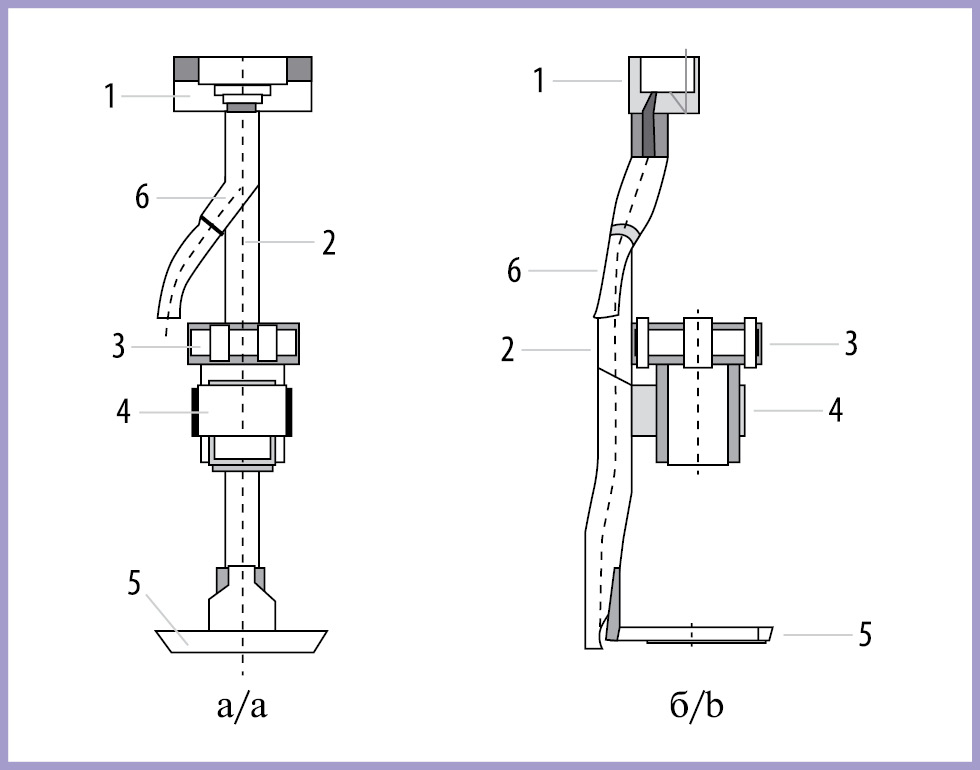
Рис. 1. Протектор-ретрактор мягких тканей для хирургического углового наконечника.
а — вид сбоку; б — вид спереди. 1 — торцевое полукольцо с упорной площадкой для размещения в нем дисковой алмазной фрезы; 2 — корпус из металлического основания с эргономичными изгибами; 3 — винт-фиксатор головки наконечника; 4 — держатель винта с внутренней резьбой; 5 — кольцо для упора головки хирургического наконечника; 6 — встроенная в корпус укороченная ирригационная трубка для охлаждения дисковой фрезы.
Исследование проводилось на основании принципов Хельсинкской декларации. Все пациенты подписали информированное добровольное согласие. Получено одобрение локального этического комитета ФГАОУ ВО «Северо-Восточный федеральный университет им. М.К. Аммосова» Минобразования России.
Статистическая обработка материала проводилась с применением методов стандартной вариационной статистики.
Результаты и обсуждение
Основной задачей проведенного исследования является создание недорогого и удобного протектора-ретрактора для углового хирургического наконечника, предназначенного для остеотомии, забора аутогенного костного блока с челюстей, редукции гребня альвеолярной кости в стоматологии и челюстно-лицевой хирургии. Технический эффект, получаемый при решении поставленной задачи, выражается в малоинвазивности вмешательств и в повышении удобства практического применения протектора-ретрактора, что связано с его многоразовым применением, удобной предстерилизационной очисткой и стерилизацией изделия.
Устройство «протектор-ретрактор мягких тканей для хирургического углового наконечника» представлено на рис. 2, 3. Конструкция защитного устройства выполнена из медицинской стали ГОСТ 12Х18Н10, оно стерилизуется как обычное медицинское изделие многоразового применения.
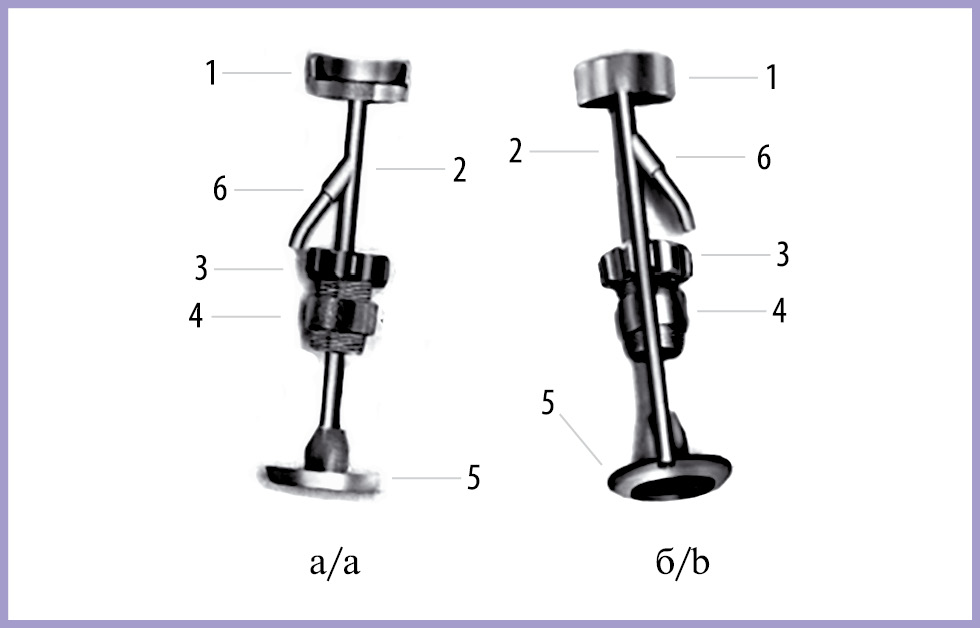
Рис. 2. Протектор-ретрактор мягких тканей для хирургического углового наконечника.
а — вид спереди; б — вид сзади.
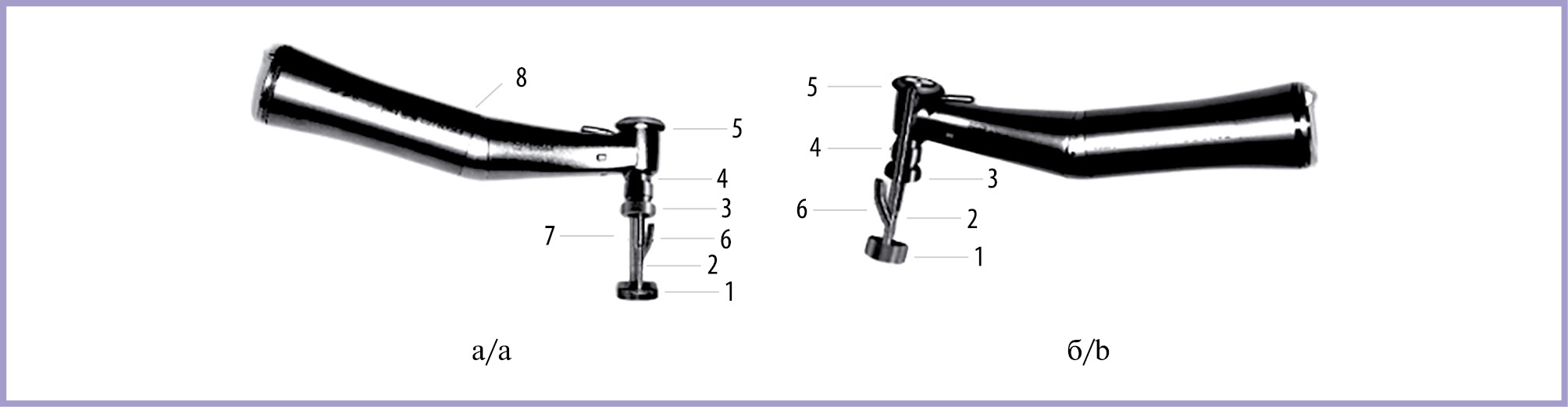
Рис. 3. Протектор-ретрактор мягких тканей для хирургического углового наконечника в собранном рабочем виде.
а — вид справа; б — вид слева. 1 — торцевое полукольцо с упорной площадкой для размещения в нем дисковой алмазной фрезы; 2 — корпус из металлического основания с эргономичными изгибами; 3 — винт-фиксатор головки наконечника; 4 — держатель винта с внутренней резьбой; 5 — кольцо для упора головки хирургического наконечника; 6 — встроенная в корпус укороченная ирригационная трубка для охлаждения дисковой фрезы; 7 — дисковая алмазная фреза; 8 — хирургический угловой наконечник NSK Ti-Max X-SG20L.
Работа с устройством «протектор-ретрактор мягких тканей для хирургического углового наконечника» NSK Ti-Max X-SG20L (8) осуществляется следующим образом. Устройство насаживается на стоматологический угловой наконечник в зависимости от направления (левый или правый), затягивается фиксирующим винтом (3), устанавливается дисковая алмазная фреза (7). При проведении хирургической операции по остеотомии, забору аутогенного костного блока, редукции альвеолярного гребня верхней или нижней челюстей врач — стоматолог-хирург и/или челюстно-лицевой хирург нажимает педаль физиодиспенсера, который передает крутящий момент на дисковую фрезу, защитное устройство прикрывает фрезу и защищает окружающие мягкие ткани пациента и мягкие ткани пальцев рук специалиста от травматических повреждений.
Разработанное устройство «протектор-ретрактор мягких тканей для хирургического углового наконечника» отличается тем, что предназначено для менее инвазивного, удобного, безопасного и эффективного забора аутогенного костного блока с наружной косой линии нижней челюсти, редукции гребня альвеолярной кости, остеотомии челюстей за счет плотной фиксации устройства на хирургическом угловом наконечнике. Совокупность признаков полезной модели обеспечивает решение заявленной технической задачи — создание надежного и удобного устройства, позволяющего безопасно и эффективно выполнить остеотомию (рис. 4), забор аутогенного костного блока с верхней и нижней челюстей, в частности при операциях костной пластики, редукции гребня альвеолярного отростка перед подготовкой к дентальной имплантации. Тем временем для обеспечения визуализации и выполнения остеотомии при классическом методе забора костного аутотранспланата по методике Кюри требуется проведение значительного разреза и отслаивания слизисто-надкостничного лоскута (рис. 5).
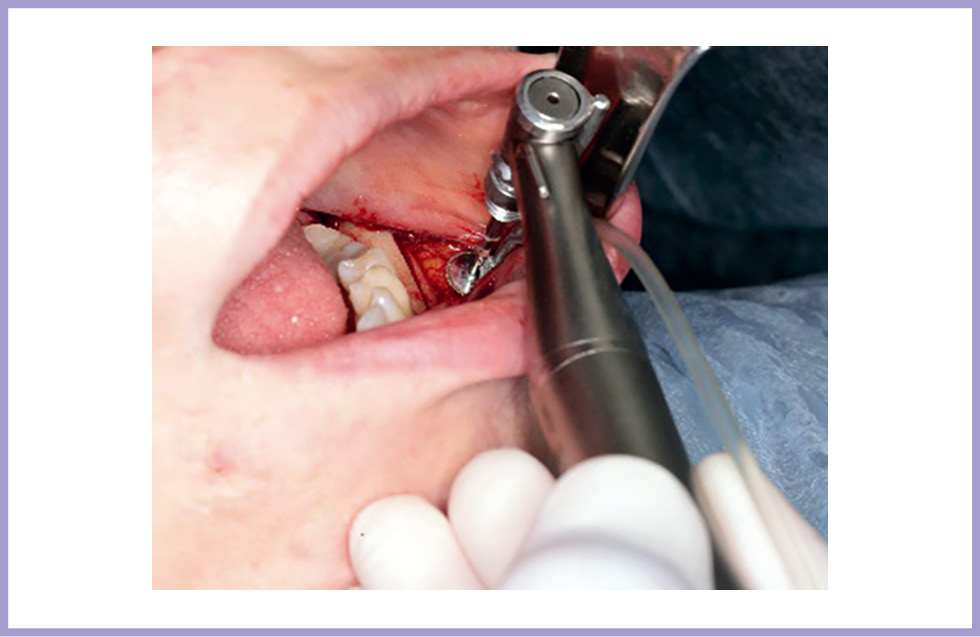
Рис. 4. Применение устройства «протектор-ретрактор мягких тканей для хирургического углового наконечника» при заборе аутогенного костного блока с нижней челюсти.
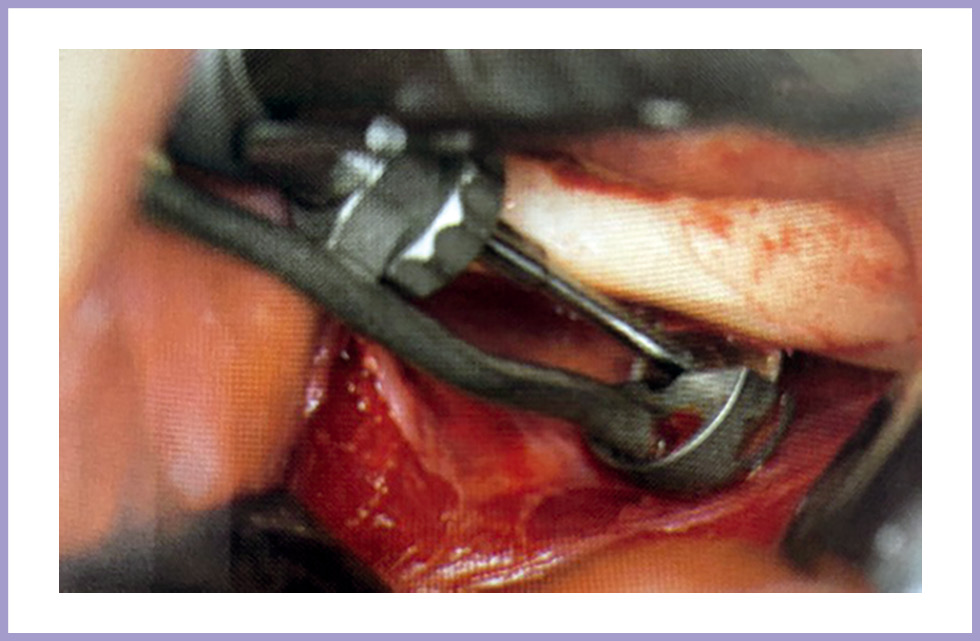
Рис. 5. Классический метод забора костного аутотрансплантата по методике Кюри с нижней челюсти.
Клинический случай
14.07.2024 пациентка П. 1975 г.р. обратилась в стоматологическую поликлинику Клиники ФГАОУ ВО «Северо-Восточный федеральный университет им. М.К. Аммосова» с жалобами на частичный дефект зубного ряда нижней челюсти справа. Объективно в полости рта: частичная вторичная адентия в области 4.5, 4.6, 4.7 зубов (концевой односторонний дефект 2-го класса по Кеннеди), слизистая оболочка альвеолярного отростка с вестибулярной и оральной сторон бледно-розового цвета, определяется латеральная атрофия альвеолярного отростка. При конусно-лучевой компьютерной томографии (КЛКТ): высота альвеолярной кости до нижнелуночкового нерва в области зубов 4.5—4.7 составляет 18—20 мм, отмечается вертикальная атрофия альвеолярной кости в области гребня 1,8—2,2 мм.
21.07.2024 проведена операция аугментации костной ткани по методу Кюри в области нижней челюсти справа с забором костного аутотрансплантата слева с применением разработанного протектора-ретрактора для углового хирургического наконечника. Под местной инфильтрационной анестезией раствором 4% ультракаина форте (4,5 мл, 1:100 000 с эпинефрином) скальпелем №15С произведены разрезы по гребню, распатором щадяще отслоен вестибулярный трапециевидный слизисто-надкостничный лоскут. При помощи физиодиспенсера NSK Surgic Pro+ на прямом наконечнике на скорости 35 000 об/мин с использованием твердосплавного сверла с обильной ирригацией охлажденным физиологическим раствором линейно сформированы перфорационные отверстия кортикальной кости передней поверхности наружной косой линии протяженностью 22 мм на расстоянии 5 мм от латеральной поверхности наружной косой линии. Далее в соответствии с протоколом стандартного оперативного вмешательства произведена сборка инструмента для апикального костного распила путем присоединения защитного устройства для углового стоматологического наконечника к угловому наконечнику 8-NSK на физиодиспенсере и фиксации к нему алмазной дисковой фрезы диаметром 6 мм. Наконечник с защитным устройством адаптирован в реципиентной области. На скорости 2000 об/мин произведен апикальный горизонтальный костный распил с обильной ирригацией протяженностью 22 мм на толщину 3 мм, соединяющий мезиальный и вертикальный распилы. Проведена проверка костных распилов, подтверждается отсутствие травмы окружающих мягких тканей.
Фрезой Линдемана на прямом наконечнике выполнено соединение перфорационных отверстий кортикальной кости на передней поверхности наружной косой линии. При помощи долота и молотка одним легким ударом произведено выделение кортикального костного блока размерами 17×12×3,6 мм. Костный блок помещен в титановую чашку с охлажденным физиологическим раствором. Донорская зона освобождена от всех видимых подвижных костных фрагментов, обработана антисептическим раствором хлоргексидина 0,05% 20 мл. Произведена мобилизация язычного лоскута тупым путем вестибулярным скальпелем.
При помощи стерильного одноразового костного скребка Safescraper Twist получена аутогенная костная стружка путем истончения костного блока. Произведена фиксация костного блока титановыми винтами диаметром 1,2 мм и длиной 10,0 мм в количестве 4 шт. Пространство между костным блоком и альвеолярным отростком плотно заполнено полученной аутогенной костной стружкой. Раневая поверхность ушита матрасными и узловыми швами шовным материалом «Моноквик 5/0».
27.07.2024 пациентка явилась для осмотра. Объективно: общее состояние удовлетворительное, конфигурация лица изменена за счет послеоперационного отека щечной и подглазничной области слева, регионарные лимфоузлы не пальпируются, открывание рта в полном объеме, безболезненное. Слизистая оболочка полости рта без патологических изменений. Пальпация послеоперационной области безболезненная, отделяемого нет, на момент осмотра признаков инфекции нет, швы состоятельны.
Известно защитное устройство для хирургического стоматологического углового наконечника (патент RU 213 284 U1, А61С 1/16 от 05.09.2022), в котором полезная модель состоит из пластмассы для хирургического стоматологического наконечника с фрезой и содержит корпус из продольной полосы в виде сегмента цилиндра, являющейся стенкой корпуса, на одном конце которого расположено торцевое полукольцо с упорной площадкой для размещения в нем дисковой фрезы, а в противоположной части корпуса находится основание для фиксации стоматологического углового наконечника, которое содержит разнесенные между собой и выполненные соосно большое и малое кольца, соединенные стенкой основания, являющейся продолжением стенки корпуса, причем на малом кольце выполнен боковой упор для предотвращения поворота стоматологического наконечника.
Недостатком защитного устройства является то, что оно изготовлено из пластмассы и при использовании за счет мягкой упругости пластмассы фреза в труднодоступных участках челюстей задевает торцевое полукольцо, а также устройство на угловом хирургическом наконечнике фиксируется не плотно. Кроме того, за счет широкого базиса корпуса при проведении операции остеотомии, забора аутотрансплантатов и редукции гребня альвеолярной кости устройство закрывает обзор хирургического поля и затрудняет попадание ирригационного раствора в операционное поле, что может привести к перегреву костной ткани. Данное пластмассовое устройство предназначено для одноразового использования, так как не выдерживает стерилизацию высокими температурами.
Кроме того, известно изделие Micro-Saw (Frios, Австрия) (https://kvalitetdent.ru/frios-microsaw-protektor-dlya-kontr-uglovyh-nakonechnikov), состоящее из полого металлического основания, к которому прикреплены последовательно два кольцевых элемента для размещения углового наконечника и полукольцо для размещения алмазной дисковой фрезы, а основание имеет ирригационное отверстие для охлаждения операционного поля физиологическим раствором.
Недостатками данного устройства являются его высокая стоимость, использование только с угловыми хирургическими наконечниками фирмы Frios, а также то, что в связи с наличием удлиненной ирригационной трубки внутри корпуса изделия с несколькими изгибами усложняется ее чистка и предстерилизационная подготовка после выполнения стоматологической операции.
Известен металлический протектор фирмы Mr. Currete (Южная Корея), который используется с угловым наконечником (https://stomkatalog.ru/saw-cover-zaschita-diska-saw-5-saw-6-dlya-uglovogo-nakonechnika-saeshin-kavo-nsk), состоящий из полого металлического основания, к которому прикреплены последовательно малое и большое съемные посадочные кольца с прорезью под ирригационное сопло для размещения наконечника стоматологического инструмента и полукольцо для размещения фрезы.
Недостатки данного устройства следующие: совместимость только с твердосплавными сепарационными дисками фирмы Mr. Currete, при этом определяется неплотная фиксация на ротационные движения, что создает девиации на этапе проведения операции, которые могут привести к травмированию окружающих тканей; удлиненный и полый корпус изделия является ирригационной трубкой, которая усложняет предстерилизационную очистку и стерилизацию; ограниченность использования из-за короткого рабочего расстояния, которое не позволяет глубоко погружать угловой наконечник.
Известно защитное устройство для стоматологической дисковой фрезы Hasni Surgical (Пакистан) (https://hasnisurgical.trustpass.alibaba.com/search/product?Search Text=High%20Quality%20Dental%20implant%20Bone%20Expander%20Kit%20Hot%20Sales), выполненное из нержавеющей стали и состоящее из корпуса и дискового полукольца для размещения стоматологической фрезы.
Недостатками этого устройства являются: совместимость только с твердосплавными сепарационными дисками фирмы Hasni Surgical; неплотная фиксация на хирургическом угловом наконечнике (при этом устройство не имеет ирригационной трубки, что может привести к перегреву костной ткани); ограниченность использования из-за короткого рабочего расстояния, которое не позволяет глубоко погружать наконечник.
В отличие от известных решений разработанное устройство имеет следующие преимущества:
● по сравнению с пластиковыми аналогами изделие имеет тонкий металлический корпус, который дает наилучший обзор операционного поля, способствующий повышению безопасности проводимых хирургических манипуляций;
● изготовление предложенного устройства из медицинской стали способствует его плотной фиксации на хирургическом угловом наконечнике, что позволяет работать через хирургические доступы малого размера, обеспечивающие малоинвазивность вмешательства с повышением эффективности постоперационных процессов;
● практическое применение устройства сокращает время регенеративных процессов тканей в области операционного поля;
● изделие из медицинской нержавеющей стали предназначено для многоразового применения;
● антибликовый эффект поверхности устройства имеет важное практическое значение при выполнении оперативного вмешательства с применением операционного микроскопа и/или индивидуальных бинокулярных луп;
● устройство имеет встроенную в корпус укороченную ирригационную трубку (которая является продолжением корпуса, направлена на дисковую фрезу), обеспечивающую удобство для предстерилизационной очистки ее просвета для последующей стерилизации;
● устройство позволяет применять встроенную ирригационную трубку на самом угловом хирургическом наконечнике NSK Ti-Max X-SG20L (Япония), что повышает качество охлаждения операционного поля.
Изложенные преимущества создают максимальные удобства в эксплуатации данного медицинского изделия.
Заключение
Практическое применение разработанного устройства «протектор-ретрактор мягких тканей для хирургического углового наконечника» подтверждает его малую инвазивность, удобство, безопасность и эффективность при заборе аутогенного костного блока с наружной косой линии нижней челюсти, редукции гребня альвеолярной кости, остеотомии челюстей за счет плотной фиксации устройства на хирургическом угловом наконечнике. При этом укороченная ирригационная трубка обеспечивает удобство для предстерилизационной очистки ее просвета для последующей стерилизации, а антибликовое покрытие поверхности устройства имеет важное практическое значение при выполнении оперативного вмешательства с применением операционного микроскопа и/или индивидуальных бинокулярных луп. Вышеизложенное определяет перспективность применения разработанного устройства при подготовке оптимальных условий для дентальной имплантации.
Источники финансирования отсутствуют.
There are no sources of financing.
Авторы декларируют отсутствие конфликта интересов.
- Терехов М.С., Апресян С.В., Степанов А.Г. и др. Качество жизни стоматологических пациентов с полным отсутствием зубов, протезированных с применением цифровых технологий. Рос. стоматол. журнал. 2023;27(1):51-62. https://doi.org/10.17816/dent181636
- Ебрахим М., Стрельников В.Н., Моисеев Д.А. и др. Анализ осложнений стоматологического лечения с применением ортопедических конструкций с разным типом фиксации на дентальные имплантаты. Российская стоматология. 2025;18(1):23-29. https://doi.org/10.17116/rosstomat20251801123
- Berglundh T, Lindhe J. Dimension of peri-implant mucosa. Biological width revisited. J Clin Periodontology.1996;23:971-973. https://doi.org/10.1111/j.1600-051x.1996.tb00520.x
- Ряховский А.Н., Лосев Ф.Ф., Алтынбеков К.Д., ВыходцеваМ.А. Цифровой 3D анализ анатомических и функциональных параметров ВНЧС и их корреляция. Стоматология. 2022;101(3):49-60. https://doi.org/10.17116/stomat202210103149
- Музыкин М.И., Иорданишвили А.К., Лосев Ф.Ф. и др. Репаративный потенциал костной ткани и влияющие на него факторы. Стоматология. 2024;103(2):41-49. https://doi.org/10.17116/stomat202410302141
- Патент РФ на полезную модель №RU 213 284 U1/06.07.2022, бюлл. №25. Мухамадиев Д.М. Защитное устройство для хирургического углового стоматологического наконечника. Ссылка активна на 16.07.2025.
- Полупан П.В., Сипкин А.М., Тонких-Подольская О.А. и др. Математическая модель прогнозирования риска костной пластики в полости рта и факторы успеха. Российская стоматология. 2023;16(3):30-37. https://doi.org/10.17116/rosstomat20231603130
- Кулаков А.А., Гветадзе Р.Ш., Брайловская Т.В. и др. Современные подходы к применению метода дентальной имплантации при атрофии и дефектах костной ткани челюстей. Стоматология. 2017;96(1):43-45. https://doi.org/10.17116/stomat201796143-45
- Лосев Ф.Ф., Брайловская Т.В., Калинин Р.В. Использование дентальных имплантатов при ортопедической реабилитации пациентов в эстетически значимой зоне. Стоматология. 2022;101(1):84-88. https://doi.org/10.17116/stomat202210101184
- Цициашвили А.М., Панин А.М., Лепилин А.В. и др. Хирургическое лечение пациентов с использованием имплантатов при частичном отсутствии зубов в условиях дефицита костной ткани. Стоматология. 2019;98(1):30-33. https://doi.org/10.17116/stomat20199801130
- Пресняков Е.В., Комаров А.В., Бозо И.Я. и др. Биотехнологический способ восстановления костной ткани: теоретический базис и клиническое применение. Восстановительные биотехнологии, профилактическая, цифровая и предиктивная медицина. 2024;1(2):12-17. https://doi.org/10.17116/rbpdpm2024102112


Рекомендуем статьи по данной теме:
Цифровое планирование и навигация в хирургии синус-лифтинга. (Описание клинического случая).Оперативная хирургия и клиническая анатомия (Пироговский научный журнал). 2026;10(2-2):96-102
Реакция костной ткани и слизистой оболочки верхнечелюстного синуса на костнозамещающие средства для субантральной аугментации при дентальной имплантации: результаты проспективного когортного исследования.Стоматология. 2026;105(3):22-29
Прогнозирование успеха дентальной имплантации с использованием искусственного интеллекта и машинного обучения.Российская стоматология. 2026;19(1-2):165-173
Устройство «протектор-ретрактор мягких тканей для хирургического прямого наконечника».Российская стоматология. 2025;18(4):39-42
Влияние методов обработки различных типов поверхности дентальных имплантатов на количество и остеогенную дифференцировку мезенхимальных стволовых клеток при лечении периимплантита.Российская стоматология. 2025;18(4):32-38
Оценка эффективности применения бензидамина гидрохлорида в комплексной терапии после операции дентальной имплантации.Российская стоматология. 2025;18(4):26-31
Современное состояние вопроса применения хирургических шаблонов для дентальной имплантации при лечении пациентов с отсутствием зубов.Стоматология. 2025;104(6):60-66
Комплексная реабилитация пациентов с ангидротической (гипогидротической) эктодермальной дисплазией: клинический случай.Стоматология. 2025;104(5):64-72
Оценка влияния различных методов обработки трех типов поверхности дентальных имплантатов на их морфологию и элементный состав при лечении периимплантита.Российская стоматология. 2025;18(3):26-33
Современные аспекты одномоментной дентальной имплантации в эстетической зоне верхней челюсти при атрофии альвеолярной кости.Стоматология. 2025;104(4):112-115