Фотодинамическая терапия в комплексном лечении резистентных форм дерматофитии, вызванной Trichophyton indotineae
Журнал: Клиническая дерматология и венерология. 2025;24(4):489-494.
DOI: 10.17116/klinderma202524041489
Прочитано: 1570 раз
Резюме
АКТУАЛЬНОСТЬ
В последние годы наблюдается тревожная тенденция распространения антропофильного дерматофита Trichophyton indotineae за пределы его исходного ареала в Индии. Этот патоген активно осваивает новые территории, включая страны Европы и Ближнего Востока. Особую обеспокоенность вызывают зарегистрированные случаи микоза гладкой кожи у пациентов в Российской Федерации, что указывает на проникновение возбудителя в нашу страну. T. indotineae представляет серьезную проблему для здравоохранения, так как являются высококонтагиозными грибами, устойчивыми к стандартным методам лечения, вызывают микозы кожи с обширными участками поражений, сопровождаются интенсивным зудом, значительно снижающим качество жизни пациентов.
МАТЕРИАЛ И МЕТОДЫ
Для точной идентификации возбудителя использовали комплексный подход, включающий микроскопическое исследование, микологический посев и молекулярно-биологические (-генетические) методы. Это позволило не только выявить присутствие патогена, но и определить его видовую принадлежность. В рамках терапевтической стратегии применили инновационный метод фотодинамической терапии с использованием хлоринсодержащего фотосенсибилизатора, что расширило возможности лечения резистентных форм дерматофитии.
РЕЗУЛЬТАТЫ
В статье описаны 2 случая внутрисемейного заражения T. indotineae. В обоих случаях грибковое поражение кожи не поддавалось стандартной терапии. Был применен комбинированный подход, включающий системные противогрибковые препараты, местное лечение и фотодинамическую терапию с хлоринсодержащим фотосенсибилизатором.
ЗАКЛЮЧЕНИЕ
Данное исследование подтверждает, что для эффективной борьбы с растущей угрозой устойчивых дерматофитийных инфекций необходим комплексный подход, включающий совершенствование диагностики, а именно внедрение молекулярных методов скрининга и разработку новых методов лечения.
Ключевые слова
- поверхностные микозы
- дерматофиты
- T.indotineae
- скваленэпоксидаза
- ПЦР в реальном времени
- фотодинамическая терапия
- хлорин е6
Дата поступления: 16.05.2025
Дата принятия в печать: 25.06.2025
Дата публикации: 10.09.2025
Введение
В результате многочисленных исследований установлено, что частым этиологическим агентом поверхностных микозов кожи выступают грибы, принадлежащие к роду Trichophyton, в частности, различные генетические варианты T. mentagrophytes complex. Недавно научным сообществом T. mentagrophytes, ранее классифицированный как генотип VIII, установлен в качестве нового вида, получившего самостоятельное видовое название Trichophyton indotineae. Данный патоген ассоциирован с развитием резистентных к стандартной терапии форм поверхностных микозов кожи.
T. indotineae, изначально обнаруженный на территории Индии, в последние годы стал активно распространяться в ряде стран Европы, Ближнего Востока и других регионов [1—4]. Эпидемиологические исследования, проведенные индийскими дерматологами, свидетельствуют о том, что генотипы T. mentagrophytes complex в этой стране в настоящее время доминируют с распространенностью до 75,9—77,5%, вытеснив T. rubrum с позиции основного этиологического агента микозов [5].
T. indotineae характеризуется антропофильным механизмом передачи с выраженной резистентностью к тербинафину [6]. Первые сообщения о резистентности in vitro зарегистрированы в Индии в 2017 г., при этом 76% изолятов демонстрировали устойчивость, обусловленную точечными мутациями в гене erg1, кодирующем скваленэпоксидазу (SQLE) [7, 8].
Актуальной проблемой является более широкое внедрение молекулярно-биологических методов, в первую очередь ПЦР в реальном времени (ПЦР-РВ), для рутинной лабораторной диагностики дерматомикозов, а также разработка на их основе методов точной видовой идентификации T. indotineae с анализом мутаций гена SQLE. Кроме того, приоритетной задачей выступает оптимизация терапевтических подходов, включая выбор системных и топических антимикотиков, а также интеграцию аппаратных методов лечения в существующие протоколы.
В качестве первой линии терапии при лечении микозов гладкой кожи традиционно рекомендуется тербинафин в стандартной дозировке 250 мг/сут, назначаемый на 2—4 нед, что обусловлено его высокой эффективностью и меньшей частотой развития побочных эффектов по сравнению с итраконазолом. Однако в случае микоза, вызванного T. Indotineae, назначение тербинафина неэффективно из-за наличия мутаций в гене скваленэпоксидазы, поэтому нецелесообразно [9]. Согласно мировой клинической практике, при лечении грибковых поражений кожи, обусловленных этим возбудителем, положительный эффект дает применение итраконазола в повышенной дозировке — до 400 мг/сут в течение от 1 до 3 мес. Тем не менее даже на фоне такой терапии, нередко возникают рецидивы заболевания. В качестве альтернативного препарата может использоваться вориконазол, однако он может вызывать побочные эффекты и его стоимость высока, что существенно ограничивает возможности его назначения пациентам и применение в рутинной практике [10].
В последние годы активно изучается применение лазерных и световых технологий для лечения грибковых инфекций кожи. Особый интерес представляет фотодинамическая терапия (ФДТ), основанная на использовании фотосенсибилизаторов (ФС), активируемых светом определенной длины волны, что приводит к образованию реактивных форм кислорода и азота, обладающих фунгицидным действием. Наиболее часто в отношении грибковой инфекции ФС применяются метиленовый синий, толуидиновый синий и производные хлорина е6. Хотя масштабные рандомизированные клинические исследования пока не проводились, сообщается о высокой эффективности ФДТ с достижением микологического излечения после 1—3 процедур при лечении микозов гладкой кожи, вызванных T. rubrum, Candida и другими грибами, в качестве монотерапии и в сочетании с системными препаратами, а также после 4—8 процедур при лечении онихомикозов [11].
Приводим клиническое наблюдение семейного инфицирования T. Indotineae с успешным излечением с помощью комбинации итраконазола с ФДТ.
Материал и методы
Диагностику микотической инфекции проводили на основании клинической картины и результатов лабораторных исследований, которые включали КОН-микроскопию, микологический посев с идентификацией возбудителя, а также ПЦР-РВ с использованием набора реагентов АмплиПрайм Дерматофиты (Trichophyton, Epidermophyton, Microsporum), РУ № РЗН 2023/19905 от 29.03.2023 (ООО «НекстБио», Москва, Россия). Для идентификации вида T. indotineae проводили секвенирование фрагмента гена ITS и филогенетический анализ. Для выявления и идентификации мутаций резистентности к аллиламинам проводили секвенирование и анализ фрагмента гена erg1.
Для ФДТ применяли светодиодный аппарат «АФС» (ООО «Полироник Девайс») с длиной волны 630—670 нм при выходной мощности оптического элемента 700 мВТ и хлоринсодержащий ФС. Процедуры проводили еженедельно в течение месяца при минимальной световой дозе на облучаемую поверхность 100 Дж/см2 с предварительным нанесением ФС в дозе 0,2—0,4 мл/см3 с дальнейшей экспозицией 20 мин.
Результаты
В декабре 2024 г. в филиал «ЦОСМП» МНПЦДК обратилась пациентка С., 33 года, с жалобой на выраженный зуд и высыпания на коже живота, лобковой и паховой зон, бедер. Считает себя заболевшей с конца августа 2024 г., когда впервые обнаружила округлое пятно в лобковой области. Дерматологом в частной клинике был назначен комбинированный наружный препарат, содержащий бетаметазон, гентамицин и клотримазол, дважды в день в течение недели. Терапия не принесла ожидаемого эффекта, более того, наблюдалось прогрессирование патологического процесса с распространением на паховую область.
Последующее микроскопическое исследование выявило наличие спор и мицелия патогенных грибов, назначена терапия тербинафином в дозе 250 мг/сут в течение 14 дней в сочетании с местным применением 1% крема тербинафина. Эффективность этого лечения также оказалась недостаточной, процесс прогрессировал и площадь высыпаний увеличивалась. ПЦР-исследование с помощью набора АмплиПрайм Дерматофиты позволило идентифицировать возбудителя как Trychophyton mentagrophytes complex, в связи чем назначен итраконазол в дозе 200 мг/сут на 2 нед, однако и эта терапия не привела к положительным результатам. Следующим этапом лечения стало назначение тербинафина в повышенной дозе 500 мг/сут. По словам пациентки, на протяжении двухмесячного курса лечения значимой динамики не наблюдалось.
При осмотре в МНПЦДК выявлен распространенный подострый патологический процесс. В лобковой и паховой областях крупный эритематозный очаг неправильной формы диаметром 10—15 см с четко выраженным периферическим валиком и мелкопластинчатым шелушением и единичные округлые эритематозно-сквамозные очаги диаметром от 2 до 4 см на коже живота и бедер (рис. 1).
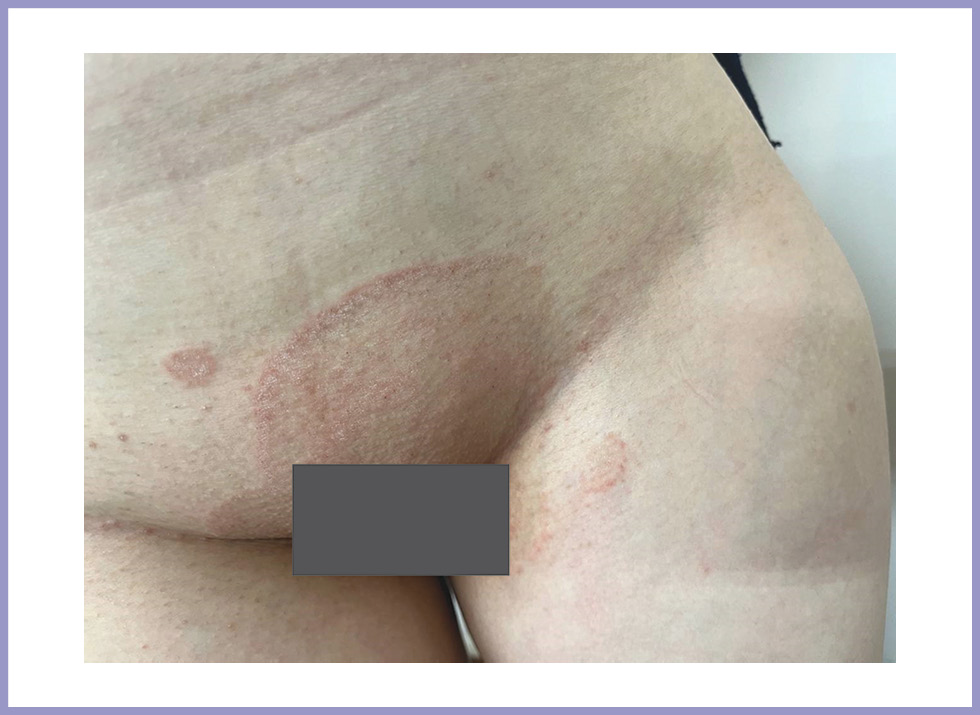
Рис. 1. Пациентка С., 33 года. Клиническая картина до начала терапии.
С учетом анамнестических данных и клинической картины принято решение о проведении расширенного молекулярно-генетического исследования ДНК T. mentagrophytes complex, направленного на уточнение вида/генотипа трихофитона. Результаты секвенирования и филогенетического анализа позволили идентифицировать изолят как T. indotineae. Кроме того, была обнаружена нуклеотидная мутация в гене erg1 (SQLE), приводящая к аминокислотной замене Phe397Leu и обеспечивающая устойчивость к аллиламинам, что и объясняет неэффективность стандартной терапии тербинафином.
Нами предложена и апробирована схема комплексной терапия, включающая применение итраконазола в дозе 400 мг/сут в комбинации с 2% кремом сертаконазола и ФДТ с хлоринсодержащим ФС 1 раз в неделю. Включение ФДТ в схему лечения направлено на усиление локального противогрибкового эффекта. Через 2 нед после начала лечения отмечено значительное клиническое улучшение в виде заметного побледнения очагов поражения и почти полного исчезновения зуда. Полное клиническое и микологическое излечение наступило спустя еще 2 нед (рис. 2). По окончании лечения наблюдалась негативация результатов микроскопического и ПЦР-исследований, свидетельствующая об элиминации патогенных грибов.
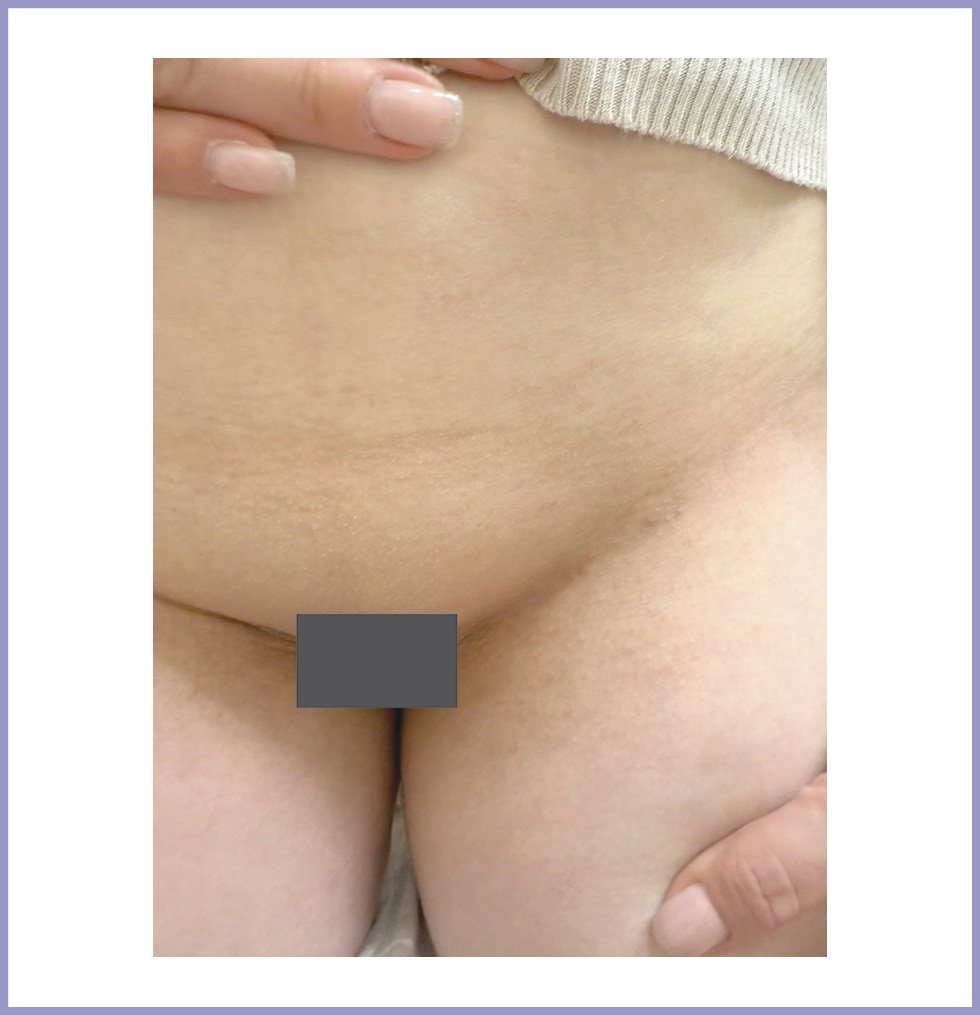
Рис. 2. Пациентка С., 33 года. Клиническая картина через 1 мес лечения.
Таким образом, курс комбинированной терапии составил 4 нед.
Параллельно с описанным случаем, в декабре 2024 г. в филиал «ЦОСМП» МНПЦДК обратился пациент И., 35 лет, супруг вышеупомянутой пациентки с жалобами на кожные высыпания в области живота. При сборе анамнеза установлено, что манифестация симптомов произошла приблизительно за 2 нед до обращения, причем пациент связывает их появление с телесными контактами с супругой. До момента обращения к дерматологу не лечился.
При осмотре выявлен распространенный подострый патологический процесс, характеризуемый наличием множественных округлых эритематозных очагов диаметром от 2 до 5 см с мелкопластинчатым шелушением на поверхности и отечным периферическим валиком, локализующийся преимущественно на коже живота (рис. 3).
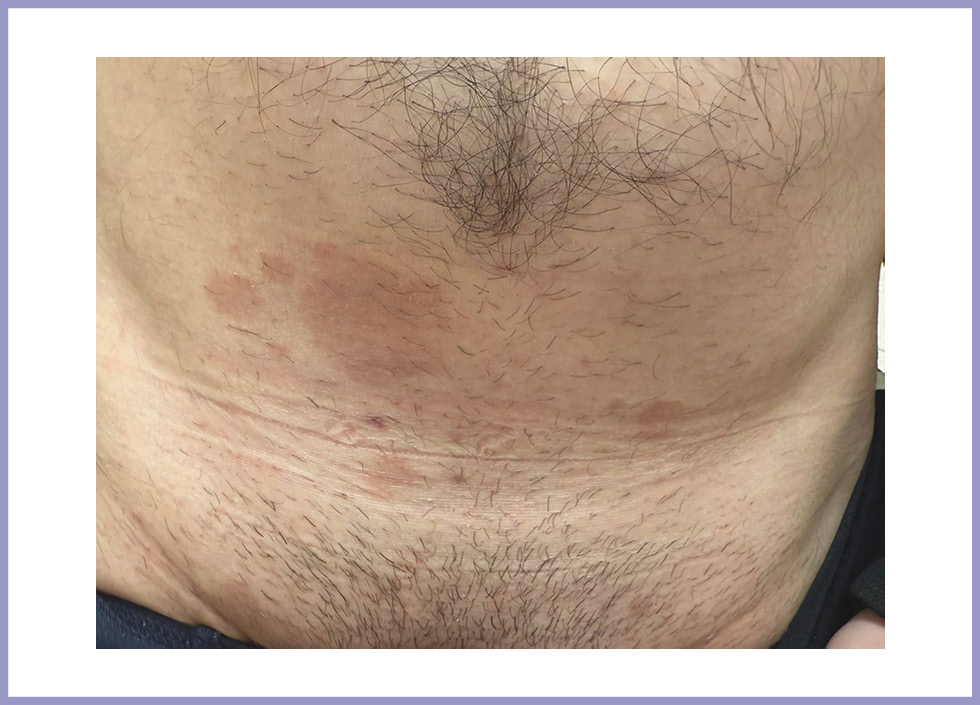
Рис. 3. Пациент И., 35 лет. Клиническая картина при первичном осмотре.
Для верификации диагноза проведены микроскопическое и культуральное исследования. Получен рост Trychophyton mentagrophytes var. interdigitale. Однако последующее молекулярно-генетическое исследование гена ITS из ДНК полученной культуры указало на принадлежность изолята к виду T. indotineae, а секвенирование гена erg 1 показало наличие, как и у изолята, выявленного от супруги, мутации Phe397Leu.
С учетом результатов лабораторных исследований и клинической картины пациенту назначена такая же терапевтическая схема, как и супруге: итраконазол в дозе 400 мг/сут в комбинации с кремом сертаконазола и 4 процедуры ФДТ с хлоринсодержащим ФС.
Клиническое улучшение наступило спустя 7 дней после начала лечения, что проявилось в уменьшении интенсивности окраски патологических очагов, а также в отсутствии ДНК T. indotineae. Тем не менее, учитывая описанную в научной литературе тенденцию к рецидивированию, системное лечение решили продолжить. Применение комплексного подхода с использованием ФДТ привело к успешной эрадикации возбудителя, что было верифицировано отрицательными показателями ПЦР-исследования на 5-й и 8-й неделях терапии. Полная регрессия патологических очагов через 4 нед терапии послужила обоснованием для прекращения местного лечения (рис. 4).
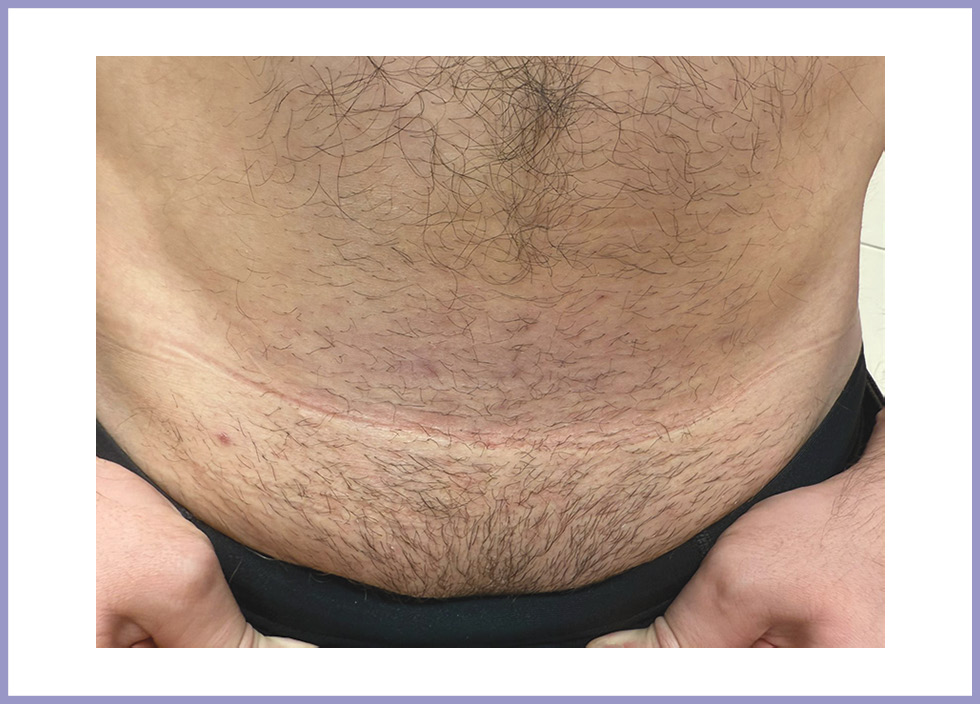
Рис. 4. Пациент И., 35 лет. Клиническая картина через 1 мес лечения.
Таким образом, примененный комплексный терапевтический подход продемонстрировал высокую эффективность в лечении резистентной формы дерматофитии, вызванной T. indotineae. Сочетание системной и местной антимикотической терапии с фотодинамическим воздействием позволило достичь клинического и микологического излечения в относительно короткие сроки, несмотря на предшествующие неудачные попытки лечения стандартными методами.
Обсуждение
В последние годы, несмотря на наличие эффективных антимикотических препаратов, таких как итраконазол и тербинафин, наблюдается тревожная тенденция к увеличению числа резистентных штаммов грибов, вызывающих дерматофитийные инфекции [8, 12]. Особую обеспокоенность вызывает распространение индийского штамма T. indotineae на территории Российской Федерации. Первоначально зафиксированный М.Д. Ларионовым и соавт. случай устойчивого к лечению дерматомикоза гладкой кожи как результат привозной инфекции, вызванной T. mentagrophytes «экзотического генотипа», послужил сигналом о потенциальной угрозе [13]. Однако в 2024 г. ситуация приобрела новый оборот: А.Е. Гущин и соавт. зарегистрировали несколько клинических случаев заражения резистентными штаммами, идентифицированными впервые в РФ как T. indotineae у пациентов, не покидавших пределы страны в течение последних двух лет [9]. Этот факт свидетельствует о циркуляции данного возбудителя в российской популяции и требует пристального внимания медицинского сообщества.
Механизмы передачи T. indotineae разнообразны и включают как прямой контакт с инфицированным человеком, так и косвенную передачу через предметы обихода. Особую озабоченность вызывает путь распространения инфекции при тесных контактах с инфицированным, в том числе сексуальных, что было документально подтверждено в ряде стран, включая Иран, Индию и Германию [6, 14].
В представленном клиническом случае инфицирование произошло также внутри семьи, при этом пациентка не выезжала за пределы Российской Федерации в течение предшествующих двух лет. В анамнезе заболевания отмечено посещение бассейна, сеансы лазерной эпиляции, примерка нижнего белья в магазине и поездка на озеро Селигер незадолго до появления первых симптомов. Выявление T. indotineae стала возможной благодаря внедрению в лабораторную практику диагностики дерматомикозов набора реагентов АмплиПрайм Дерматофиты на основе метода ПЦР-РВ с алгоритмизацией лабораторного процесса, а также дополнительных молекулярно-генетических методов для видовой идентификации возбудителя, наличию характерной клинической картины, проявляющейся обширными зудящими высыпаниями в типичных локализациях (паховая область, живот, бедра).
Следует отметить, что в настоящее время отсутствуют стандартизованные схемы лечения инфекций, вызванных резистентными штаммами T. indotineae. Ситуация осложняется в целом растущей устойчивостью грибов к антимикотическим препаратам, что частично обусловлено нерациональным и бесконтрольным применением комбинированных топических глюкокортикостероидных препаратов. В ходе разработки терапевтической стратегии мы опирались на успешный опыт коллег, продемонстрировавших эффективность применения высоких доз итраконазола в лечении пациентов с резистентными формами дерматофитии [9]. Однако следует отметить, что эффективность и продолжительность терапии могут варьировать в зависимости от распространенности и выраженности кожных поражений и длительности инфекционного процесса, что требует индивидуального подхода к каждому клиническому случаю.
В рамках комплексного подхода к лечению мы сочли целесообразным экспериментальное применение ФДТ как дополнительного метода воздействия. ФДТ характеризуется высоким профилем безопасности и потенциально способна значительно сократить сроки медикаментозной терапии. В качестве фотосенсибилизатора было выбрано производное хлорина е6, обладающее выраженной фотодинамической активностью в красной области светового спектра (660—680 нм) в отношении грибковых и бактериальных патогенов [15].
Учитывая растущую проблему резистентности дерматофитов и ограниченное количество лицензированных альтернативных методов лечения, проведение масштабных рандомизированных контролируемых исследований и оптимизация протоколов ФДТ представляются крайне актуальными. Эти шаги необходимы для всесторонней оценки потенциала ФДТ как перспективного метода противогрибковой терапии.
Заключение
В свете современных вызовов, связанных с распространением резистентных штаммов дерматофитов, необходимо принять ряд неотложных мер. Во-первых, следует шире внедрять в клиническую практику молекулярно-биологические методы диагностики дерматофитий, в частности ПЦР-РВ. Во-вторых, требуется срочная разработка доступных для рутинной практики методов видовой идентификации T. indotineae с выявлением мутаций устойчивости к аллиламинам. В-третьих, крайне важно разрабатывать и внедрять альтернативные способы лечения, такие как ФДТ, а также оптимизировать существующие схемы терапии с учетом новых данных о резистентности возбудителей. Наконец, необходимо ограничить бесконтрольное применение комбинированных топических глюкокортикостероидных препаратов, которые могут способствовать развитию резистентности и осложнять течение грибковых инфекций. Только комплексный подход, сочетающий совершенствование диагностических и терапевтических стратегий, позволит эффективно противостоять растущей угрозе резистентных дерматофитийных инфекций.
Участие авторов:
Концепция и дизайн исследования — Васенова В.Ю., Гущин А.Е.
Сбор и обработка материала — Цыганкова Е.И.
Написание текста — Цыганкова Е.И., Васенова В.Ю., Гущин А.Е.
Редактирование и одобрение текста — Васенова В.Ю., Потекаев Н.Н.
Авторы заявляют об отсутствии конфликта интересов.
Authors’ contributions:
The concept and design of the study —Vasenova V.Yu., Guschin A.E.
Collecting and interpreting the data — E.I. Tsygankova
Drafting the manuscript — Vasenova V.Yu., A.E. Guschin A.E.
Revising the manuscript — Vasenova V.Yu., Potekaev N.N.
- Fattahi A, Shirvani F, Ayatollahi A, Rezaei-Matehkolaei A, Badali H, Lotfali E, Ghasemi R, Pourpak Z, Firooz A. Multidrug-resistant Trichophyton mentagrophytes genotype VIII in an Iranian family with generalized dermatophytosis: Report of four cases and review of literature. Int. J. Dermatol. 2021;60:686-692. https://doi.org/10.1111/ijd.15226
- Jabet A, Brun S, Normand AC, Imbert S, Akhoundi M, Dannaoui E, Audiffred L, Chasset F, Izri A, Laroche L, Piarroux R, Bachmeyer C, Hennequin C, Sabater AM. Extensive Dermatophytosis Caused by Terbinafine-Resistant Trichophyton indotineae, France. Emerg Infect Dis. 2022;28:229-233. https://doi.org/10.3201/eid2801.210883
- Siopi M, Efstathiou I, Theodoropoulos K, Pournaras S, Meletiadis J. Molecular epidemiology and antifungal susceptibility of Trichophyton isolates in Greece: Emergence of Terbinafine-resistant Trichophyton mentagrophytes type VIII locally and globally. J. Fungi. 2021;7:419. https://doi.org/10.3390/jof7060419
- Posso-De Los Rios CJ, Tadros E, Summerbell RC, Scott JA. Terbinafine resistant Trichophyton indotineae isolated in patients with superficial dermatophyte infection in Canadian patients. J. Cutan. Med. Surg. 2022;26(4): 12034754221077891. https://doi.org/10.1177/12034754221077891
- Jain S, Kabi S, Swain B. Current Trends of Dermatophytosis in Eastern Odisha. J. Lab. Physicians. 2020;12:10-14. https://doi.org/10.1055/s-0040-1713063
- Uhrlaß S, Verma SB, Gräser Y, Rezaei-Matehkolaei A, Hatami M, Schaller M, Nenoff P. Trichophyton indotineae-An Emerging Pathogen Causing Recalcitrant Dermatophytoses in India and Worldwide-A Multidimensional Perspective. J Fungi (Basel). 2022;8(7):757. https://doi.org/10.3390/jof8070757
- Ebert A, Monod M, Salamin K, Burmester A, Uhrlaß S, Wiegand C, Hipler UC, Krüger C, Koch D, Wittig F, Verma SB, Singal A, Gupta S, Vasani R, Saraswat A, Madhu R, Panda S, Das A, Kura MM, Kumar A, Poojary S, Schirm S, Gräser Y, Paasch U, Nenoff P. Alarming India-wide phenomenon of antifungal resistance in dermatophytes: A multicentre study. Mycoses. 2020;63:717-728. https://doi.org/10.1111/myc.13091
- Пчелин И.М., Сергеев А.Ю. Лекарственная устойчивость дерматофитов: грозит ли нам появление индийских вариантов трихофитии? Клиническая дерматология и венерология. 2023;22(2):141-146. https://doi.org/10.17116/klinderma202322021141
- Гущин А.Е., Романова И.В., Ильин Л.А., Потекаев Н.Н. Первое описание случаев поверхностных микозов, вызванных устойчивым к аллиаминам (тербинафину) «индийским» видом дерматомицетов — Trichophyton indotineae, в Российской дерматовенерологической практике. Клиническая дерматология и венерология. 2024;23(5): 581-590. https://doi.org/10.17116/klinderma202423051581
- Sonego B, Corio A, Mazzoletti V, Zerbato V, Benini A, di Meo N, Zalaudek I, Stinco G, Errichetti E, Zelin E. Trichophyton indotineae, an Emerging Drug-Resistant Dermatophyte: A Review of the Treatment Options. J Clin Med. 2024;13(12):3558. https://doi.org/10.3390/jcm13123558
- Qiao J, Li R, Ding Y, Fang H. Photodynamic therapy in the treatment of superficial mycoses: an evidence-based evaluation. Mycopathologia. 2010;170(5): 339-343. https://doi.org/10.1007/s11046-010-9325-2
- Taghipour S, Shamsizadeh F, Pchelin IM, Rezaei-Matehkolaei A, Zarei, Mahmoudabadi A, Valadan R, Ansari S, Katiraee F, Pakshir K, Zomorodian K, Abastabar M. Emergence of Terbinafine Resistant Trichophyton mentagrophytes in Iran, Harboring Mutations in the Squalene Epoxidase (SQLE) Gene. Infect Drug Resist. 2020;13:845-850. https://doi.org/10.2147/IDR.S246025
- Ларионов М.Д., Чилина Г.А., Богданова Т.В., Пчелин И.М. Редкий клинический случай дерматомикоза гладкой кожи и крупных складок, вызванного грибом Trichophyton mentagrophytes экзотического генотипа. Проблемы медицинской микологии. 2017;19(2):95.
- Nenoff P, Verma SB, Ebert A, Süß A, Fischer E, Auerswald E, Dessoi S, Hofmann W, Schmidt S, Neubert K, Renner R, Sohl S, Hradetzky U, Krusche U, Wenzel HC, Staginnus A, Schaller J, Müller V, Tauer C, Gebhardt M, Schubert K, Almustafa Z, Stadler R, Fuchs A, Sitaru C, Retzlaff C, Overbeck C, Neumann T, Kerschnitzki A, Krause S, Schaller M, Walker B, Walther T, Köhler L, Albrecht M, Willing U, Monod M, Salamin K, Burmester A, Koch D, Krüger C, Uhrlaß S. Spread of Terbinafine-Resistant Trichophyton mentagrophytes Type VIII (India) in Germany—“The Tip of the Iceberg?”. J. Fungi. 2020;6:207. https://doi.org/10.3390/jof6040207
- Семенов Д.Ю., Васильев Ю.Л., Дыдыкин С.С., Странадко Е.Ф., Шубин В.К., Богомазов Ю.К., Морохотов В.А., Щербюк А.Н., Морозов С.В., Захаров Ю.И. Антимикробная и антимикотическая фотодинамическая терапия (обзор литературы). Biomedical Photonics. 2021; 10(1):25-31. https://doi.org/10.24931/2413-9432-2021-10-1-25-31


Рекомендуем статьи по данной теме:
Осложнения и нежелательные явления циторедуктивных операций при злокачественных поражениях брюшины.Онкология. Журнал им. П.А. Герцена. 2026;15(4):68-75
Экспериментальное изучение регенераторных процессов в пародонте в ответ на применение фотодинамической терапии в комбинации с различными фотосенсибилизаторами.Российская стоматология. 2026;19(1):36-42
Исследование с гистологическим контролем по изучению эффективности и безопасности изолированного и комбинированного применения популярных аппаратных методов косметологической коррекции.Пластическая хирургия и эстетическая медицина. 2026;(1):103-110
Перспективы использования фотодинамической терапии в лечении резистентных форм онихомикоза.Клиническая дерматология и венерология. 2026;25(1):90-94
Онихомикоз как медико-социальная проблема: оценка уровня качества жизни пациентов с помощью модифицированного опросника OnyCOE-T.Клиническая дерматология и венерология. 2026;25(1):40-46
Результаты, проблемы и перспективы фотодинамической терапии в торакальной онкологии на основе серии наблюдений.Эндоскопическая хирургия. 2025;31(6):21-26
Аппаратные технологии в лечении розацеа.Клиническая дерматология и венерология. 2025;24(6):814-821
Дифференциальная экспрессия циклических РНК генов MVP, RGS9 и DLGAP4 во фронтальной коре ишемизированных крыс.Молекулярная генетика, микробиология и вирусология. 2025;43(4-2):102-110
Особенности канцерогенеза рака легкого с участием раковых стволовых клеток при COVID-19. Эффекты фотодинамической терапии при лечении рака и COVID-19.Архив патологии. 2025;87(5):65-73
Фотодинамическая терапия рака кожи у реципиентов трансплантата.Клиническая дерматология и венерология. 2025;24(4):496-503