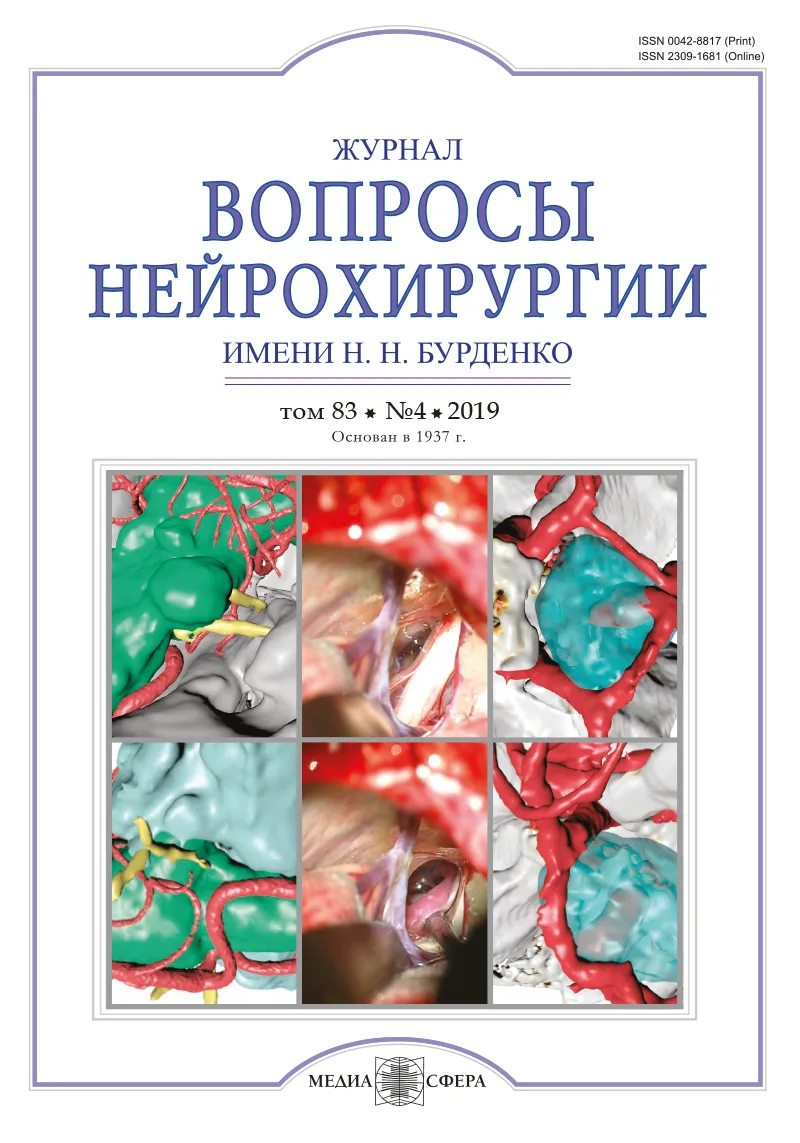
Комплексное лечение больных с парасагиттальными менингиомами
Журнал: Вопросы нейрохирургии имени Н.Н. Бурденко. 2019;83(4):121-125.
DOI: 10.17116/neiro201983041121
Прочитано: 4712 раз
Резюме
Ключевые слова
- менингиома
- парасагиттальная
- верхний сагиттальный синус
- стереотаксическая радиохирургия
- стереотаксическая лучевая терапия
Дата публикации: 30.04.2020
В англоязычной литературе парасагиттальными (ПСМ) называют менингиомы, связанные с верхним сагиттальным синусом (ВСС), большинство отечественных авторов включают в эту группу и опухоли, связанные только с серпом большого мозга. Подробно вопрос рассмотрен в публикации четвертого автора [1], в настоящем исследовании мы рассматриваем только менингиомы ВСС как более сложные для радикального удаления.
Менингиомы — самые распространенные первичные опухоли ЦНС (37,2%), заболеваемость ими составляет 8,33 на 100 000 населения в год [2]. Доля ПСМ среди всех менингиом не уточнена, поскольку точная локализация опухоли мозговых оболочек в существующих регистрах не учитывается, а публикации отражают материал конкретных клиник, причем даже в рамках одной клиники соотношение может меняться со временем [3]. Ориентируясь на наш опыт конца прошлого века, можно предполагать, что ПСМ составляют примерно 28% внутричерепных менингиом [4] и заболеваемость ими составляет 2,33 на 100 000 населения в год, т. е. превосходит заболеваемость опухолями черепных и спинномозговых нервов (1,89 на 100 000 населения в год) [2].
Помимо достаточно высокого показателя заболеваемости, актуальность проблемы ПСМ обусловлена сложностью топографоанатомических отношений в парасагиттальной области и, в первую очередь, наличием там критически значимых венозных структур. Повышение радикальности операции за счет реконструктивных вмешательств на ВСС, по нашим данным, сопровождается двукратным увеличением морбидности [3], а по данным литературы [5, 6], и летальными исходами. Разумное ограничение радикальности обеспечивает лучшие функциональные результаты, но увеличивает риск рецидива опухоли, составляющий от 25 [3, 7] до 62% [8—10].
В последние десятилетия разработаны и внедрены в практику методы стереотаксической радиохирургии и лучевой терапии, обеспечивающие сопоставимые результаты. Однако, поскольку нейрохирургией и лучевым лечением занимаются представители разных медицинских специальностей, во многих публикациях отсутствует полноценное сопоставление достоинств и недостатков хирургического и лучевого методов. Нет признанного алгоритма выбора оптимального метода комплексного лечения больных с ПСМ.
Материал и методы
При анализе всего массива данных выявлены три группы публикаций. В 1-й группе работ, написанных преимущественно нейрохирургами, обсуждается целесообразность максимально радикального удаления ПСМ. Во 2-й, более многочисленной группе исследований, выполненных преимущественно радиологами, описываются достоинства и недостатки лучевых методов. В этой группе одна работа [11] представляет метаанализ 28 исследований; 3-я, самая немногочисленная группа представляет клинические рекомендации, составленные экспертами с участием как нейрохирургов, так и радиологов. Исследований 1-го и 2-го уровня доказательности в доступной литературе не обнаружено, в том числе и среди источников, использованных при составлении клинических рекомендаций.
Обсуждение
Радикальность и шкала Симпсона. Исторически гиперостотические ПСМ были первым объектом манипуляций в нейроонкологии [12], и, возможно, в силу накопленного опыта до 80-х годов XX века радикальное удаление считалась единственным эффективным способом лечения менингиом вообще и парасагиттальных в частности [1]. На том уровне технологии и знаний эта концепция нашла обоснование в общеизвестном труде D. Simpson [13], и максимально возможная резекция менингиомы надолго стала считаться приоритетной задачей.
Первые существенные замечания в отношении шкалы Симпсона были высказаны K. Skullerud и A. Loken [14] в 1974 г. и касались субъективизма в определении степени радикальности (на вскрытии после «радикального», по мнению хирурга, удаления в 21% случаев обнаруживались макроскопические остатки опухоли). Сегодня мы понимаем, что в 1 мм3 ткани опухоли содержится 100 млн клеток, и при невозможности блок-резекции удаление опухоли мозга никогда не может считаться радикальным, другими словами, практически все операции в нейроонкологии являются циторедуктивными.
Так, Raza и соавт. [10] показали, что степень радикальности по шкале Симпсона и объем манипуляций на ВСС не коррелируют с вероятностью рецидива, составившей в их исследовании 11%, летальности — 0,9% и морбидности — 3,6% при сроке наблюдения 4,4 года. Сходные результаты приводят Sughrue и соавт. [15, 16] (373 пациентов c ПСМ WHO I, 5-летняя безрецидивная выживаемость после резекции по шкале Симпсона 1—3: 95, 85 и 88% соответственно, различия статистически недостоверны). Аналогичные выводы об отсутствии статистически достоверных различий продолжительности безрецидивного периода после операций 1, 2 и 3 степени радикальности по шкале Симпсона сделаны Condra и соавт. [17] и Oya и соавт. [18]. С другой стороны, в серии из 391 наблюдения Hasseleid и соавт. [20] выявили существенные различия в исходах в зависимости от степени радикальности операции по шкале Симпсона.
Moon-Soo Han и соавт .[19] проанализировали результаты лечения 107 пациентов с ПСМ и выявили существенную зависимость вероятности рецидива от степени инвазии ВСС менингиомой. При этом радикальность операции по шкале Симпсона, гистологический тип, размер опухоли и перитуморозный отек статистически значимого влияния на вероятность рецидива не оказывали. Авторы сообщили о 21% осложнений и утверждают, что они были достоверно обусловлены стремлением к максимально радикальному удалению опухоли.
Среди осложнений хирургического лечения ПСМ чаще отмечают отек и инфаркт головного мозга, парезы конечностей, судороги, зрительные и когнитивные нарушения, возникающие как в результате непосредственной травмы коры и белого вещества, так и нарушений мозгового кровообращения, в первую очередь — венозного [21].
Ряд авторов отмечают прямую зависимость осложнений от характера манипуляций на ВСС и корковых венах. Так, M. Sindou и соавт. [5] сообщают о 3% летальности и 8% стойкой инвалидизации у пациентов после радикального удаления ПСМ с резекцией ВСС. DiMeco и соавт. [6] связывают развитие отека головного мозга и нарастание неврологической симптоматики с повреждением коллатеральных вен и сужением просвета ВСС при его краевой резекции, но обосновывают стремление к максимальной радикальности снижением вероятности рецидива (которая, по их данным, при 10-летнем сроке наблюдения для операций 1, 2 и 3-го типов по шкале Симпсона составляет 13,5, 24 и 49% соответственно), а также преимущественно временным характером морбидности, составившей в их серии 28,7% при 1,85% летальности. Эти результаты авторы считают хорошими, а решение проблемы видят в активном использовании и совершенствовании методов нейрореабилитации. F. Tomasello и соавт. [29] в 2013 г. опубликовали в Journal of Neurosurgery свой опыт лечения 67 больных в подтверждение тезиса о технической возможности и необходимости стремиться к максимальной (тип 1 по шкале Симпсона) радикальности удаления ПСМ. Несмотря на то что авторы старались сохранить венозный отток во всех случаях, в том числе за счет реконструктивных вмешательств на ВСС, 3 (4,5%) больных умерли, временная морбидность отмечена у 12,5% выживших, а постоянная — у 10,9%.
Наряду с апологетикой «агрессивного» подхода в литературе представлена и другая точка зрения, где первоочередное значение придается функциональному результату операции, пусть даже за счет снижения радикальности удаления ПСМ. По сути, такой подход представляется современным развитием позиции Кушинга, изложенной в знаменитых «Менингиомах…» [12], но его сторонники, судя по библиографическим данным, пока находятся в меньшинстве. Помимо отказа от реконструктивных вмешательств на ВСС и необходимости сохранения всех венозных структур, даже инфильтрированных опухолью, авторы подчеркивают значимость фактора инвазии опухолью коры мозга, особенно в функционально значимых зонах. Так, M. Sughrue и соавт. [15] показали, что при сохранении всех венозных структур в материале 135 операций отек головного мозга развился только в 1 (0,7%) случае, но у 4 (3%) пациентов отмечено нарастание неврологической симптоматики в результате микротравматизации моторной коры при удалении ПСМ. Сходные результаты такой тактики приводят и P. Black и соавт. [7], сообщившие о 1,7% временной морбидности, обусловленной поверхностной инвазией опухолью коры мозга. Отметим, что в последних цитированных работах летальность отсутствовала, но оставление инфильтрированной опухолью пиальной оболочки и коры не предусматривалось. Ограничение манипуляций в этой зоне, с последующим лучевым лечением, возможно, исключило бы и эти неврологические осложнения.
Примечательно, что J. Brotci [22], один из разработчиков и пропагандистов пластики ВСС, в 2013 г. призвал не использовать этот метод без крайней необходимости, т. е. выполнять реконструктивные вмешательства при травматическом или ятрогенном повреждении ВСС, но не в плановой хирургии ПСМ.
Таким образом, очевидно, что рецидивы ПСМ наблюдаются и при операциях высшей степени радикальности, но такие вмешательства сопровождаются более высокими показателями морбидности и летальности. Тем не менее в современной литературе значительно представлена сформированная в прошлом веке Bonnal, Sindou, Hakuba и др. [23—28] точка зрения о необходимости максимально радикального удаления ПСМ.
Лучевые методы. Развитию лучевых методов лечения менингиом препятствовало господствовавшее до 80-х годов XX века мнение об их «радиорезистентности». Лучевую терапию назначали в единичных случаях, при многократно рецидивировавших менингиомах, и недостаток материала препятствовал анализу (подробнее см. [30]). Ситуация стала меняться с появлением в 1980 г. работы J. Yamashita и соавт. [31], в которой сообщалось об уменьшении размеров некоторых менингиом после облучения. Параллельно с исследованиями эффективности лучевой терапии менингиом стали появляться сообщения о возможности применения при этих опухолях разработанного L. Lexell [32] метода стереотаксической радиохирургии. С тех пор лучевые методы прошли путь от вспомогательного до самостоятельного способа лечения больных с менингиомами. Следует отметить, что доказанно эффективных режимов химиотерапии при этих опухолях на сегодня не существует.
Эффективность радиохирургического лечения небольших (медиана — 4,8 см3) внутричерепных менингиом убедительно показана в мультицентровом исследовании Santacroce и соавт. [33], опубликованном в 2012 г. В материале 4565 пациентов (5300 опухолей, верифицированно или предположительно Grade I) при сроке наблюдения свыше 24 мес и медиане 63 мес контроль роста опухоли был достигнут у 92,5%, и только у 2,2% прогрессирование менингиомы потребовало повторного лечения. Пяти- и 10-летняя выживаемость без прогрессирования заболевания составила 95,2 и 88,6% соответственно. Эффективность лечения была выше у ранее не оперированных больных, у женщин и при единичных менингиомах по сравнению с множественными. Постоянная морбидность составила 6,6%. Авторы отметили достоверно (p<0,001) худшие результаты радиохирургического лечения конвекситальных и парасагиттальных менингиом по сравнению с опухолями основания черепа. Эти результаты оказались сопоставимы с ранее опубликованными в классической работе Kondziolka и соавт. [34].
При опухолях крупного размера лучевые методы обеспечивают столь же высокие показатели контроля роста внутричерепных менингиом, но при большей частоте осложнений. Так, Bledsoe и соавт. [35] сообщили, что в группе больных с большими (до 48,6 мл) менингиомами 3- и 7-летний контроль опухолевого роста составил 99 и 92% соответственно, но осложнения лучевого лечения в виде случаев судорог, гемипареза, повреждения тройничного нерва, диплопии, инфаркта, отека головного мозга и атаксии отмечены в 23% случаев. При опухолях конвекситальной и парасагиттальной локализации частота осложнений была выше по сравнению с базальной (44 и 18% соответственно). В отдельных публикациях сообщается о большей, до 37%, частоте осложнений лучевого лечения больших менингиом, наиболее значимым из которых признается отек головного мозга [36].
В метаанализе 28 публикаций, описывающих результаты лучевого лечения суммарно 3686 пациентов с доброкачественными внутричерепными менингиомами разного размера (медиана объема опухоли — от 12 до 107 мл), показано, что стереотаксическая радиохирургия обеспечивает достоверно бóльшую частоту регрессии опухоли по сравнению с фракционированной стереотаксической радиотерапией (46,2 и 28,9% соответственно; p=0,0145). При этом частота осложнений составила 9,2% при стереотаксической радиохирургии и 10,4% при фракционированной лучевой терапии, без статистического подтверждения различия [11].
Как уже говорилось, во многих публикациях отмечается большее число осложнений лучевого лечения парасагиттальных менингиом, в первую очередь за счет нарастания или появления перитуморозного отека мозга [37—40]. Патогенез перитуморозного отека мозга связан в первую очередь с экспрессией клетками опухоли VEGF — фактора роста эндотелия сосудов (противоотечный эффект дексаметазона основан на подавлении экспрессии этого фактора), но в доступной литературе нет объяснения, почему лучевой патоморфоз ПСМ и базальной опухоли приводит к разным последствиям. Единственным существенным отличием парасагиттальной области от других является ее венозная анатомия, и нарушения венозного оттока могут вносить вклад в выраженность перитуморозного отека мозга [41]. Тем не менее вопрос требует дальнейшего изучения.
Проблема выбора оптимального метода лечения ПСМ в современной литературе представлена скудно. Нам удалось обнаружить единственную публикацию 2017 г., посвященную сравнению хирургического, лучевого и комбинированного методов лечения больных с ПСМ, основанную на 117 наблюдениях за период с 1993 по 2013 г. [42]. Сам факт публикации работы в J. Neurosurg., причем первой в номере, свидетельствует об интересе нейрохирургического сообщества к проблеме. Однако объем данного исследования и неоднородность групп (в частности, размер опухолей в группах варьировал от 3 до 239 мл), а также отсутствие критериев включения в группы не позволяют однозначно судить об обоснованности выводов. Более того, если в клинике оперируют примерно 5 больных с ПСМ в год, сравнивать результаты хирургии и менее инвазивного или неинвазивного методов представляется не вполне корректным.
Таким образом, проведенный анализ литературы показал, что повышение радикальности удаления ПСМ сопровождается увеличением числа осложнений, но не обязательно ведет к снижению риска рецидива опухоли. Стереотаксическая радиохирургия и в меньшей степени стереотаксическая радиотерапия обеспечивают лучшие по сравнению с микрохирургией результаты контроля роста менингиомы, но по мере увеличения объема облучаемой мишени возрастает число осложнений, особенно при парасагиттальной локализации процесса. Выходом из данной коллизии представляется комплексное лечение — максимально возможное удаление опухоли без повреждения функционально значимых структур, включая пути венозного оттока, с последующим лучевым лечением по поводу остатков опухоли. Алгоритм выбора тактики лечения больных с ПСМ (хирургическое, лучевое или комбинированное), выбора наилучшего лучевого метода, числа фракций и доз в литературе не представлен.
Авторы заявляют об отсутствии конфликта интересов.


Рекомендуем статьи по данной теме:
Эволюция методологических стандартов систематических обзоров и протокол метаанализа влияния молекулярно-генетического профиля менингиом на рецидив опухоли.Вопросы нейрохирургии имени Н.Н. Бурденко. 2026;90(4):114-121
Микрохирургическое лечение менингиом намета мозжечка: систематический обзор.Вопросы нейрохирургии имени Н.Н. Бурденко. 2026;90(4):106-113
Возможности стереотаксической лучевой терапии при множественных метастазах в легких.Онкология. Журнал им. П.А. Герцена. 2026;15(3):6-12
Тенториальные менингиомы, распространяющиеся по поперечному и сигмовидному синусам до луковицы яремной вены (обзор литературы и три клинических случая).Вопросы нейрохирургии имени Н.Н. Бурденко. 2026;90(1):73-82
Менингиомы задней поверхности пирамиды височной кости: клинические проявления, анатомические взаимоотношения и результаты хирургического лечения.Вопросы нейрохирургии имени Н.Н. Бурденко. 2026;90(1):29-38
Необходимая и достаточная доза при стереотаксической лучевой терапии у функционально неоперабельных больных с немелкоклеточным раком легких.Онкология. Журнал им. П.А. Герцена. 2025;14(6):7-12
Патоморфология рецидивирующих менингиом.Архив патологии. 2025;87(5):28-35
Модели машинного обучения для дифференциальной диагностики опухолей головного мозга.Профилактическая медицина. 2025;28(9):87-93
Экстракраниальное метастазирование доброкачественной менингиомы WHO Grade I: клинический случай и обзор литературы.Вопросы нейрохирургии имени Н.Н. Бурденко. 2025;89(4):106-111
Место стереотаксической лучевой терапии в лечении рака почки.Онкология. Журнал им. П.А. Герцена. 2025;14(4):86-90