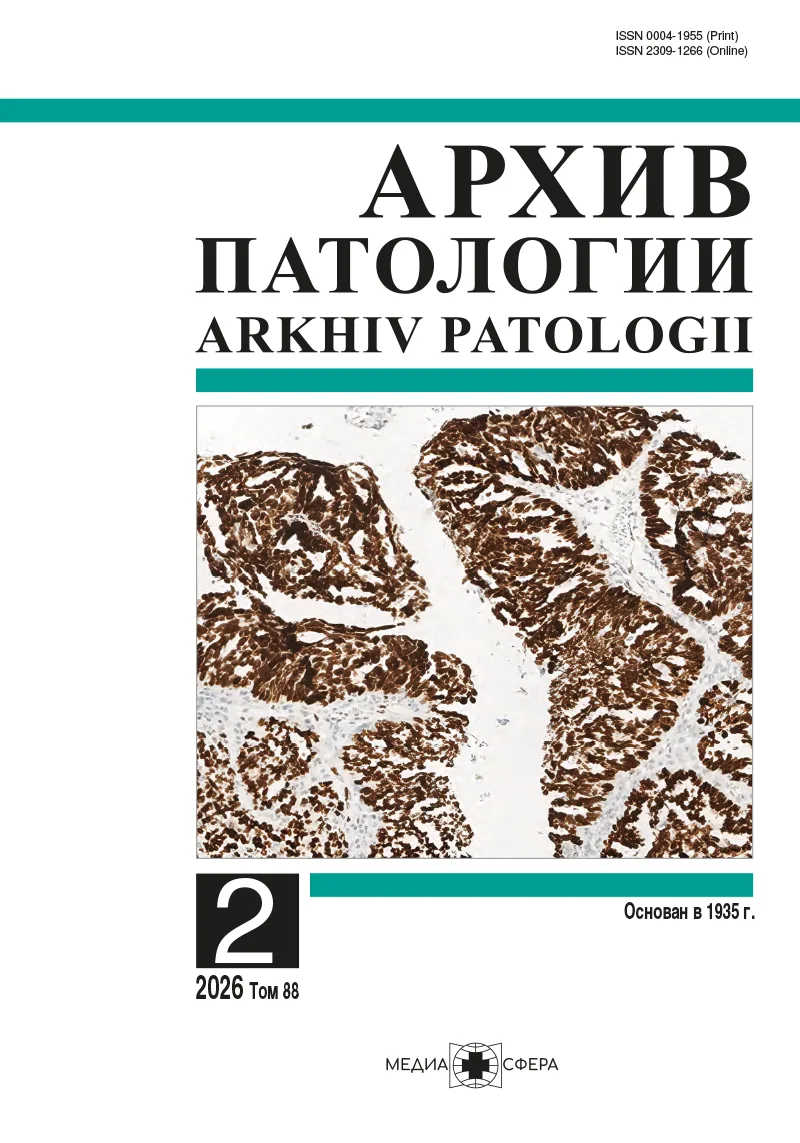
Контроль качества иммуногистохимических исследований в России в 2025 г.: достижения и перспективы
Резюме
Иммуногистохимическое исследование является одним из ключевых методов современной морфологической диагностики, обеспечивающих как дифференциальную диагностику опухолевых и неопухолевых процессов, так и определение прогностических и предиктивных биомаркеров, значимых для выбора лекарственной терапии. Многоэтапность иммуногистохимического исследования обусловливает высокий риск методологических ошибок на преаналитическом, аналитическом и постаналитическом этапах, что может приводить к снижению воспроизводимости результатов и формированию клинически значимых диагностических неточностей.
ЦЕЛЬ ИССЛЕДОВАНИЯ
Оценка качества выполнения иммуногистохимических исследований на всех этапах лабораторного процесса в медицинских организациях — участниках программы внешнего контроля качества Центра контроля качества иммуногистохимических исследований ФГБОУ ДПО РМАНПО в 2025 г.
МАТЕРИАЛ И МЕТОДЫ
Проведен анализ результатов 18 раундов внешнего контроля качества, охватывающих преаналитический, аналитический и постаналитический этапы иммуногистохимического исследования. Экспертная оценка выполнялась Советом экспертов ЦКК ИГХИ в соответствии с утвержденными критериями оценки и актуальными клиническими рекомендациями.
РЕЗУЛЬТАТЫ
На преаналитическом этапе выявлены типичные нарушения, связанные с фиксацией и гистологической проводкой биологического материала, существенно влияющие на качество иммуногистохимических и молекулярно-генетических исследований. На аналитическом этапе основными причинами неудовлетворительных результатов стали недостаточная внутрилабораторная валидация протоколов, использование нерекомендованных клонов антител и отсутствие адекватных контрольных образцов. На постаналитическом этапе выявлены ошибки интерпретации результатов, не соответствующие требованиям действующих клинических рекомендаций. Лаборатории, повторно участвующие в раундах внешнего контроля качества, продемонстрировали достоверное улучшение результатов после внедрения индивидуальных рекомендаций экспертов.
ЗАКЛЮЧЕНИЕ
Внешний контроль качества иммуногистохимических исследований является эффективным инструментом повышения воспроизводимости и клинической значимости результатов морфологических исследований. Регулярное участие лабораторий в программах контроля, стандартизация методологических подходов и систематическое повышение квалификации специалистов способствуют снижению числа диагностических ошибок и повышению качества морфологической диагностики и персонализированного лечения пациентов.
Ключевые слова
- иммуногистохимия
- контроль качества
- морфологическая диагностика
- стандартизация
- преаналитический этап
- воспроизводимость
Дата поступления: 28.04.2025
Дата принятия в печать: 06.06.2025
Дата публикации: 16.04.2026
- Завалишина Л.Э., Артемьева А.С., Вторушин С.В., и др. Анализ работы Центра контроля качества иммуногистохимических исследований ФГБОУ ДПО «РМАНПО» Минздрава России в 2023 году. Архив патологии. 2024;86(3):38-45. https://doi.org/10.17116/patol20248603138
- Завалишина Л.Э., Ю.Ю. Андреева, А.А. Баринов и соавт. Контроль качества иммуногистохимических исследований: вынужденная повинность или насущная необходимость. Архив патологии. 2025;87(2):43-52. https://doi.org/10.17116/patol20258702143
- Министерство здравоохранения Российской Федерации. Клинические рекомендации «Рак молочной железы». https://cr.minzdrav.gov.ru/recomend/379_4
- Wolff AC, Somerfield MR, Dowsett M, et al. Human Epidermal Growth Factor Receptor 2 Testing in Breast Cancer: American Society of Clinical Oncology-College of American Pathologists Guideline Update. Arch Pathol Lab Med. Jun 7 2023. https://doi.org/10.5858/arpa.2023-0950-SA
- Завалишина Л. Э., Горбань Н. А., Вторушин С. В. и соавт. Руководство по тестированию HER2-статуса. Злокачественные опухоли. 2024; 36 с. https://doi.org/10.18027/2224-5057-2024-10e-36
- Meric-Bernstam F, Makker V, Oaknin A, et al. Efficacy and Safety of Trastuzumab Deruxtecan in Patients With HER2-Expressing Solid Tumors: Primary Results From the DESTINY-PanTumor02 Phase II Trial. J Clin Oncol. Jan 1 2024;42(1):47-58. https://doi.org/10.1200/jco.23.02005


Рекомендуем статьи по данной теме:
Муцинозная аденокарцинома червеобразного отростка, имитирующая опухоль яичника.Архив патологии. 2026;88(4):55-59
Характеристика субпопуляций лимфоцитов и клеток системы мононуклеарных фагоцитов печени в острый период и в отдаленные сроки после перенесенного заболевания COVID-19.Архив патологии. 2026;88(4):5-13
Стандартизация процесса подготовки к плановой госпитализации в поликлиниках Московской области с применением бережливых технологий.Медицинские технологии. Оценка и выбор. 2026;48(2):95-103
Эволюция интегральных морфологических прогностических индексов в диагностике рака молочной железы. Суммарный балл злокачественности и ноттингемский прогностический индекс.Архив патологии. 2026;88(3):92-97
Определение HER2-статуса при карциномах различных локализаций. Многоцентровое морфологическое исследование в Российской Федерации.Архив патологии. 2026;88(3):7-14
Оценка воспроизводимости патологоанатомами типа экстраовариального импланта при пограничной серозной опухоли яичников и серозной карциноме низкой степени злокачественности.Архив патологии. 2026;88(1):11-17
Контроль качества иммуногистохимических исследований: вынужденная повинность или насущная необходимость?Архив патологии. 2025;87(2):43-52
Контроль качества по пробам пациентов в реальном времени (PBRTQC): обзор и рекомендации.Лабораторная служба. 2025;14(1):50-58
Рабочая группа ФЛМ «Контроль качества, основанный на результатах пациентов в режиме реального времени (PBRTQC)»: первый шаг.Лабораторная служба. 2025;14(1):48-49