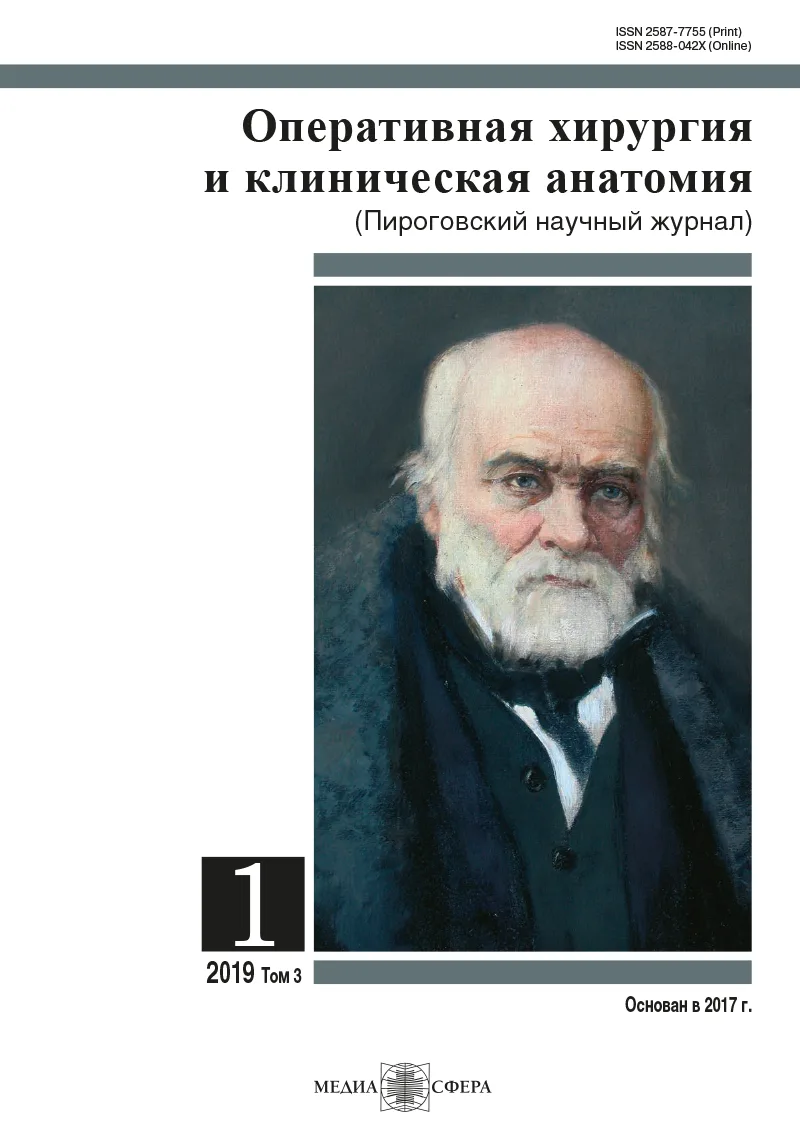
Научное наследие Гийома Дюпюитрена (1777—1835)
Журнал: Оперативная хирургия и клиническая анатомия (Пироговский научный журнал). 2019;3(1):52-56.
Прочитано: 3454 раза
Резюме
Ключевые слова
- Гийом Дюпюитрен
- биография
- контрактура
- фиброз
- ладонный апоневроз
- перелом Дюпюитрена
- операция Дюпюитрена
- зажим Дюпюитрена—Блазиуса
- абсцесс Дюпюитрена
Дата публикации: 03.05.2020
Хирургия, как и вся медицина, — глубоко индивидуальная наука.
Хирург должен быть и дерзким, и смелым. В этом заключается дальнейшее продвижение хирургии — тогда она совершенствуется.
С.Р. Миротворцев
Surgery, like all medicine, is a deeply individual science.
The surgeon should be both bold and courageous. This is
further advancement of surgery — then it is improved.
S.R. Mirotvortsev
В 2017 г. исполнилось 240 лет со дня рождения одного из крупнейших французских хирургов, блестящего педагога, оставившего великое наследие в истории мировой медицинской науки, — Гийома Дюпюитрена. Его личность по праву занимает лидирующее место в ряду имен выдающихся ученых, прославивших Европу. Творчество великого хирурга, анатома, клинициста и мыслителя, владевшего даром художественного откровения, оставило весомый след в фундаментальной и практической медицине.
Гийом Дюпюитрен (фр. Dupuytren) (рис. 1) 
Во Франции 14 июля 1789 г. вспыхнула революция. Учитывая напряженную политическую и экономическую обстановку в стране, Дюпюитрен мечтал стать офицером, но по наставлению отца в 1793 г. он поступил в медико-хирургическую школу больницы святого Алексия в Лиможе. Однако в том же году, в возрасте 16 лет, он переезжает в Париж и продолжает свое обучение уже на медицинском факультете Парижского университета.
Учился Гийом отлично и настолько хорошо знал анатомию, что еще в статусе студента был приглашен на должность прозектора кафедры анатомии, а также преподавать этот предмет. За время обучения Дюпюитрен проходил практику в таких знаменитых учреждениях, как госпиталь Шарите, Сальпетриер, Эколь де Санте и колледж Маньяк-Лаваль, где преподавали известные врачи того времени — Ф. Пинель, Ж. Кювье и Ж. Корвизар [1, 2].
Первые 2 года студенчества были самыми сложными. Гийом страдал от голода, живя на чердаке Анатомического института, для освещения своего скромного жилья использовал лампадку, которую заправлял кусочками жира, вытопленными из подкожной жировой клетчатки трупов [2]. Однако трудности не помешали безудержному стремлению к знаниям, помимо основных занятий, его интересовали вопросы физиологии. Поэтому закономерно, что к моменту окончания своего обучения в 1797 г. молодой и перспективный Гийом Дюпюитрен был уже широко известен в медицинских кругах Франции.
В конце 1801 г. Дюпюитрен пишет свой первый монографический труд «Предложения по некоторым исследованиям анатомии, физиологии и патологической анатомии», основанный на собственных работах в области патологической анатомии. Молодой ученый хотел представить монографию в качестве докторской диссертации, однако защита работы была отложена на 2 года, поскольку медицинские школы были подавлены революционным правительством.
Дюпюитрен получил звание хирурга в 1802 г. в парижском госпитале «Отель-Дье», где в 1808 г. его назначили заместителем главного хирурга, а с 1815 г. он возглавил хирургическое отделение. В течение 20 лет ученый заведовал этим госпиталем и кафедрой оперативной хирургии (с 1812 г. в качестве профессора) медицинского факультета Парижского университета [2, 3].
«Отель-Дье» (буквально — обитель Бога) — самая старая больница Парижа. Официальный год основания — 660-й. С XII по XVIII век больница реконструировалась и достраивалась, а в 1878 г., когда в Париже проходили конгресс психиатров и первый Международный антиалкогольный конгресс, она приобрела современный вид [4].
В описываемый период больница «Отель-Дье» была в ужасном состоянии. Декретом от 16 сентября 1760 г. была положена традиция, согласно которой всем помешанным пациентам Парижа полагалось непременно пройти через больницу «Отель-Дье». Это положение неукоснительно соблюдалось до 1791 г.
Для душевнобольных были отведены две палаты: святого Людовика для 42 мужчин и святой Женевьевы приблизительно для такого же числа женщин. К этим помещениям примыкали приемная и ванная комната с двумя ванными. Все вместе считалось психиатрическим отделением, в штат которого входили 2 наемных служителя и банщик. В каждой палате было размещено 6 больших и 8 поменьше размером кроватей, при этом на каждой большой размещалось по 3—4 пациента. Что мог сделать единственный палатный служитель, когда возбужденные больные, очутившись на одной кровати, начинали наносить друг другу удары, царапались и плевались? Он призывал на помощь банщика, и они, вооружившись палками, принимали участие в побоище, пока не удавалось связать по рукам и ногам зачинщика или зачинщицу драки. Методы лечения соответствовали состоянию медицины того времени: больным делали кровопускание, давали слабительное, мушки, наркотики, чемерицу. Кроме того, пациенты насильственно принимали холодные ванны и душ. Нетрудно представить, как можно было обслуживать двумя ваннами 84 человека, особенно если учесть скромные технические возможности того времени. После 1—2 мес изнуряющего режима большинство больных обнаруживали полный упадок физических и нравственных сил.
Всего в больнице «Отель-Дье» числилось 1220 коек, причем они были настолько широкими, что на каждой помещалось от 4 до 6 человек. Привилегированных одиночных кроватей было 486. Кроме того, в просторных палатах около 800 пациентов лежали на соломенных тюфяках или просто подстилках, загрязненных до чрезвычайности [1]. В такой плачевной обстановке больные редко поправлялись после хирургических операций, септические лихорадки стали правилом. Не было предусмотрено вентиляции, персонал по утрам заходил в палаты, держа у носа пропитанные уксусом губки.
Когда в 1785 г. правительство поручило Академии наук составить доклад о парижских больницах, администрация «Отель-Дье» запретила комиссии, председателем которой был академик и мэр Парижа Ж. Бай, доступ в больницу. Ж. Бай написал заключение о плачевном состоянии госпиталей (1787 г.), и в частности «Отель-Дье», после чего правительство отдало распоряжение о перестройке самого старого госпиталя [4].
Нетрудно представить колоссальное переполнение этих «свалочных мест», которые лишь по недоразумению еще назывались больницами. Известно, что случившийся однажды пожар в «Отель-Дье» сделал то, что не могли сделать доктора: неожиданно для всех «парализованные» больные встали и пошли [4].
Подчеркнем личные качества великого французского хирурга. Гийом Дюпюитрен был мрачным, беспощадным, презрительным и надменным человеком. Он был недружелюбен по отношению к коллегам и студентам. «Первый среди хирургов, последний среди людей» — так отзывались о нем сослуживцы. Заняв должность, Дюпюитрен почти сразу же вступил в конфликт с руководителем госпиталя Филиппом Ж. Пеллетаном. Длившаяся несколько лет борьба между ними закончилась тем, что Г. Дюпюитрен в 1815 г. стал руководителем клиники «Отель-Дье», сместив своего бывшего начальника [2, 5].
Работа знаменитого хирурга начиналась с обхода больных в 7 ч утра, затем проводился тщательный разбор трудных клинических случаев со студентами и коллегами, которые не всегда разделяли энтузиазм своего руководителя. Профессор с головой был погружен в работу. Его рабочий день продолжался многочисленными операциями и консультациями, а завершался формированием заключений по каждому пациенту.
Коллеги Дюпюитрена называли его «диким животным на Сене». У него была прекрасная способность доходчиво излагать материал и при этом крайняя нетерпимость к малейшей слабости, проявляемой студентами. Несмотря на это, ученики дали ему прозвище «Лектор Очарование». Добавим, что по всей Европе у него было несколько прозвищ — «Бандит из «Отель-Дье» и «Наполеон хирургии». Однако отметим, что Г. Дюпюитрен со своими студентами был одним из первых, кто оказывал помощь раненым, когда Париж был атакован русской армией [2].
Список профессиональных заслуг Гийома Дюпюитрена велик, многообразен и актуален по настоящее время. Главное, пожалуй, состоит в том, что он был представителем анатомо-физиологического направления, так как считал, что хирургия должна развиваться на основе достижений анатомии и физиологии. Одним из первых во Франции Дюпюитрен занялся преподаванием основ патологической физиологии, указывая, в частности, что развитие патологических процессов и нормальное функционирование организма происходят по одним и тем же законам.
В 1819 г. хирург впервые описал возникающий при резкой пронации стопы перелом медиальной лодыжки, надлодыжечный перелом малой берцовой кости с разрывом связок дистального межберцового сочленения и подвывихом или вывихом стопы кнаружи (перелом Дюпюитрена). Позднее им было описано сочетание этого перелома с разрывом межберцового сочленения, расхождением берцовых костей и подвывихом стопы кнаружи (переломовывих Дюпюитрена).
Ученый детально изучил контрактуру пальцев кисти, вызванную рубцовым сморщиванием ладонного апоневроза (контрактура Дюпюитрена); при этом заболевании, считавшемся ранее неизлечимым, первым в мире в 1831 г. он успешно произвел предложенную операцию (операция Дюпюитрена) [1, 3].
Следует отметить, что первое описание сгибательной контрактуры пальцев приведено в 1614 г. базельским анатомом Плоттером. Однако он не объяснил сущности заболевания. В 1822 г. английский хирург Э. Купер предположил, что контрактура пальцев связана с изменениями в ладонном апоневрозе. Им же произведена первая операция рассечения тяжей апоневроза.
Кроме того, что Дюпюитрен в 1831—1832 гг. опубликовал работы, в которых изложил подробные клинические данные о контрактуре пальцев кисти. Путем препарирования он обнаружил при контрактуре патоморфологические изменения в ладонном апоневрозе, которые и связал с наличием контрактуры у больного. С тех пор заболевание носит его имя.
Одним из первых Дюпюитрен разработал методику вправления застарелых вывихов, разработал получившие широкую известность операции: резекцию нижней челюсти, подкожную перерезку грудино-ключично-сосковой мышцы, перевязку подвздошной и подключичной артерий, операцию продольного рассечения вросшего ногтя на две половины с последующим удалением каждой половины, операцию при аплазии влагалища (метод кольпопоэза Дюпюитрена). Хирург описал абсцесс клетчатки малого таза, расположенный на его боковой стенке (абсцесс Дюпюитрена), свободное перемещение головки бедра вверх и вниз при врожденном вывихе бедра (симптом Дюпюитрена) [3].
Дюпюитрена симптом, или симптом «пергаментного хруста», — ощущение хруста при надавливании на взбухающую костную стенку альвеолярного отростка или на верхнюю челюсть; наблюдается при корневой или фолликулярной зубной кисте, а также при некоторых доброкачественных новообразованиях челюсти.
Ученый предложил способы закрытия наружного калового свища (способ Дюпюитрена) и формирования искусственного заднего прохода. Хирург предложил новую на тот момент классификацию ожогов, различая 6 степеней подобного повреждения тканей. Им созданы хирургические инструменты: для раздавливания шпоры при закрытии наружного кишечного свища (энтеротриб Дюпюитрена), безбраншевый эластичный зажим для кишки (зажим Дюпюитрена—Блазиуса) (рис. 2) 
Французского хирурга высоко ценили и уважали в России. «Дюпюитрен, — писал проф. И.В. Варвинский, — внес в преподавание практической хирургии ту оригинальность и возвышенность взгляда, ту вечность и ловкость в оперативной части, которыя возможны только по приобретении самых глубоких сведений в нормальной и патологической анатомии, и которыя поставили его в ряд первых хирургов настоящего столетия» [6].
Дюпюитрен по праву заслужил репутацию лучшего хирурга Франции, что обеспечило ему богатство, славу, титулы: он был лейб-хирургом двух королей Франции — Людовика XVIII, который сделал его бароном, и Карла X. Писатель Оноре де Бальзак избрал его прототипом хирурга Деплена в повести «Обедня безбожника» [3].
В 1833 г. на одной из лекций Дюпюитрену стало плохо, однако профессор закончил лекцию. К сожалению, это был уже не тот энергичный Дюпюитрен. В связи со своей болезнью великий хирург был вынужден уехать в Италию для прохождения курса реабилитации. Через некоторое время он вернулся на родину и стал работать рядовым хирургом, но подорванное здоровье постепенно ухудшалось [2].
В 1834 г. подчиненные и ученики Дюпюитрена сделали приятный и полезный подарок своему руководителю и всем остальным хирургам, опубликовав его лекции и некоторые клинические случаи в 4 томах. Для многих врачей эти знания стали бесценными.
Когда 8 февраля 1835 г. Дюпюитрен в возрасте 58 лет лежал на смертном одре, умирая от гнойного скопления в грудной клетке, собравшиеся вокруг него друзья предложили ему подвергнуться операции прокола грудной клетки. «Великий хирург Франции, хирург, решившийся впервые вонзить нож в мозг живому человеку для извлечения из него гноя, — писал Н.В. Склифосовский, — этот лучший представитель медицинских знаний своего времени, с грустной улыбкой ответил: «Я скорее предпочту умереть от руки Бога, чем от руки врача» [4, 7]. Дюпюитрен хорошо понимал, что последствия операции находятся не в руках того, кто ее производит. Он помнил изречение своего соотечественника, не менее знаменитого хирурга Амбруаза Паре: «Операция сделана, Бог тебя вылечит». Умирающий отклонил пособие, предложенное друзьями [3]. Какое тяжелое впечатление должно было произвести это признание несостоятельности хирургической помощи в устах самого блестящего представителя хирургии!
После смерти Дюпюитрена французскую хирургию возглавил Альфред Арман Луи Мари Вельпо (1795—1867) — известный французский профессор хирургии, член Парижского медицинского факультета, блестящий хирург, отличный анатом, опытный акушер, знающий эмбриолог. Ученики Дюпюитрена — Бланден, известный исследованиями по анатомии полости рта, Жобер (1799—1867) со своими трудами о лечении огнестрельных ран — достойно представляли своего учителя.
Замечательный хирург Лисфранк (1790—1847), специалист по ампутации конечностей, лечению аневризм и перевязки артерий, любил хвастать, превозносить себя. Крикливый Лисфранк опубликовал доклад, в котором утверждал, что из 90 операций, сделанных им по поводу рака, 84 привели к полному излечению больных. Один из учеников Лисфранка доказал, что данные фальшивы. Лисфранк не опровергал разоблачений, петлял, замазывал промахи и с тем бóльшим пылом оскорблял во все горло своих ученых коллег. Дюпюитрена именовал «береговым разбойником», Вельпо — «подлой шкурой», всех профессоров хирургии вместе — «попугаями от медицины». После смерти великого Дюпюитрена парижские хирурги разоблачали друг друга, конкурировали, дрались за приоритет. Приоритет считался в медицинском мире чуть ли не более существенным, чем само открытие [4].
Знаменитый хирург, ученик Пинело, Кювье и Корвизара, казалось, Дюпюитрен удостоен всех званий: он и профессор хирургии Парижского медицинского факультета (с 1813 г.), и лейб-хирург Людовика XVIII (c 1823 г.), и член Национальной медицинской академии (с 1820 г.), и член Парижской академии наук (с 1825 г.) [3, 5].
Дюпюитрен был похоронен на кладбище Пер-Лашез. Официальной причиной смерти ученого стал гнойный плеврит. Ученый завещал 200 тыс. франков медицинскому факультету Парижского университета [4]. В его честь был создан музей Дюпюитрена, который функционирует и в настоящее время. Его именем была названа одна из парижских улиц. Справедливости ради отметим, что Дюпюитрен не был любим во Франции, но его очень уважали в Англии, Италии и России.
Идеи, высказанные Гийомом Дюпюитреном о фундаментальной травматологии и хирургии, не потеряли своего значения и в наши дни. Как показало время, основные теоретические и практические положения и открытия Дюпюитрена до сих пор составляют основу наших знаний в хирургии. Кроме того, нас интересуют методологические принципы научного познания, которыми пользовался великий Дюпюитрен и которые характеризуют его не только как великого хирурга и травматолога, но и как выдающегося ученого-мыслителя. Талантливый исследователь, хирург и травматолог Гийом Дюпюитрен навсегда останется в сердцах его последователей.
Автор заявляет об отсутствии конфликта интересов.
The author declares no conflicts of interest.
Сведения об авторах
Моргошия Т.Ш. — к.м.н., доцент кафедры факультетской хирургии им. проф. А.А. Русанова СПбГПМУ; 194100, Санкт-Петербург, ул. Литовская 2; e-mail: temom1972@mail.ru; https://orcid.org/0000-0003-3838-177X


Рекомендуем статьи по данной теме:
Эндометриоз как фиброзно-воспалительное заболевание: место ферментной терапии в стратегии комплексного лечения эндометриоз-ассоциированных состояний. Резолюция Совета экспертов.Проблемы репродукции. 2026;32(4):18-31
Экспериментальные модели повреждения слюнных желез. Обзор морфофункциональных и молекулярных аспектов.Российская стоматология. 2026;19(1-2):158-164
Диффузные болезни соединительной ткани: предикторы развития, варианты мультиморбидности, физические методы лечения. (Обзор литературы).Вопросы курортологии, физиотерапии и лечебной физической культуры. 2025;102(5):56-62
Профессор Анатолий Андреевич Бабанин. К 85-летию со дня рождения.Судебно-медицинская экспертиза. 2025;68(5):58-63
Профессор Виталий Николаевич Крюков. К 95-летию со дня рождения.Судебно-медицинская экспертиза. 2025;68(4):64-66
Методы хирургической коррекции при повторном фейслифтинге: анализ клинических случаев.Пластическая хирургия и эстетическая медицина. 2025;(2-2):103-107
Поражение печени при болезни Гоше у детей: обзор литературы и собственные наблюдения.Доказательная гастроэнтерология. 2025;14(2):78-93
Памяти видных советских акушеров-гинекологов — профессоров В.Я. Илькевича (1872—1939), М.С. Найдича (1883—1963) и В.Г. Бутомо (1894—1963).Российский вестник акушера-гинеколога. 2025;25(2):105-110
Патогенез развития фиброза при эндометриозе яичников.Архив патологии. 2025;87(2):73-78
Устинов Порфирий Васильевич — основоположник судебной медицины Среднего Урала.Судебно-медицинская экспертиза. 2025;68(2):63-68