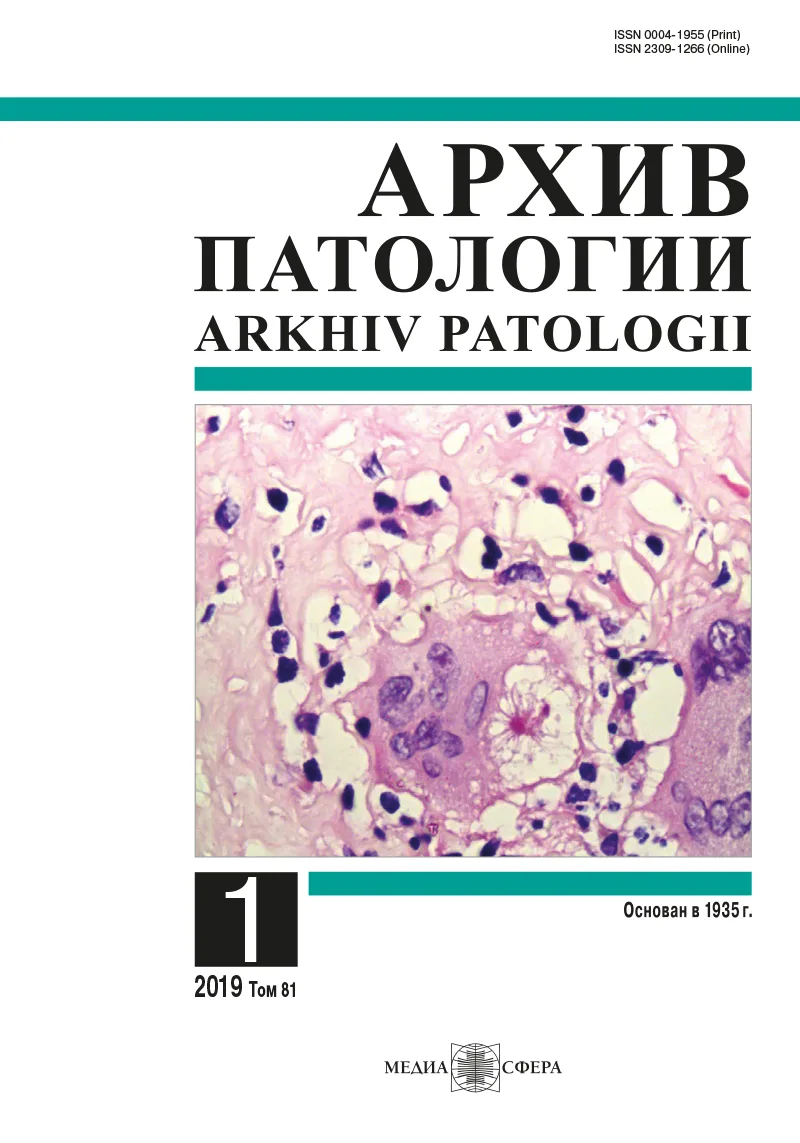
Морфофункциональные особенности гормонально-неактивных аденом гипофиза
Резюме
Ключевые слова
- неактивные аденомы гипофиза
- «немые» аденомы гипофиза
- аденомы «высокого» риска
- агрессивность
- транскрипционные факторы
- иммуногистохимический анализ
Дата публикации: 04.05.2020
Неактивные аденомы гипофиза (НАГ) — гетерогенная группа, состоящая из опухолей, для которых характерно отсутствие секреторного потенциала или его слабая выраженность, недостаточная для определения в крови уровня тропных гормонов аденогипофиза и развития специфической картины гормональной гиперсекреции [1]. НАГ также называют «немыми» аденомами, подчеркивая отсутствие биохимических и клинических нарушений, несмотря на положительную иммуноэкспрессию тропных гормонов в большинстве опухолей [2]. В 2017 г. экспертами «Тhe International Pituitary Pathology Club» поставлен вопрос о возможном переходе к новой терминологии: от аденомы к нейроэндокринной опухоли гипофиза [3]. Гормонопродуцирующие клетки гипофиза относятся к семейству нейроэндокринных клеток, аналогичных островковым клеткам поджелудочной железы, а также эндокринным клеткам желудочно-кишечного тракта и дыхательных путей. Существующая классификация аденом гипофиза не отражает в полной мере клинический спектр их поведения. Образования гипофиза не могут считаться полностью доброкачественными структурами, так как в ряде случаев ассоциированы со значимой заболеваемостью и, как и другие нейроэндокринные опухоли, обладают злокачественным потенциалом.
НАГ составляют около 30% от общего числа гипофизарных образований. По результатам эпидемиологических исследований [4], проведенных в различных странах, распространенность НАГ, включая микро- и макроаденомы, составляет 7—41,3 случая на 100 000 населения. Данные опухоли наблюдаются в различных возрастных группах, манифестация заболевания, как правило, происходит на 4—8-й декаде жизни. Несколько чаще НАГ встречаются у мужчин, хотя в некоторых исследованиях получены обратные данные [4].
НАГ обычно диагностируются на стадии макроаденом и проявляются симптомами, обусловленными наличием объемного образования в полости турецкого седла [5]. Транссфеноидальная аденомэктомия является основным методом лечения НАГ. Рецидив или продолженный рост отмечаются в 12—46% случаев [6]. Даже после успешно выполненной операции при отсутствии резидуальной ткани по результатам визуализирующих методов исследования может развиться рецидив заболевания [6—8]. В настоящее время нет надежных прогностических маркеров заболевания, позволяющих предсказать агрессивный рост опухоли. В качестве факторов риска продолженного роста или рецидива заболевания рассматриваются инвазивный рост по данным МРТ/КТ головного мозга, повышение уровня Кi-67 и митотического индекса, а также иммуноэкспрессия АКТГ и СТГ [9].
В 2017 г. ВОЗ проведен пересмотр классификации опухолей эндокринных органов (4-е изд.) [2]. Основные изменения касаются разделения аденом на подтипы в соответствии с их клеточным происхождением (клеточные линии аденогипофиза); из классификации исключен термин «атипическая аденома».
Теории формирования «немых» аденом гипофиза
В литературе представлено несколько патогенетических теорий, объясняющих отсутствие клинических и биохимических проявлений гормональной гиперсекреции в случае НАГ. К ним относятся изменения экспрессии специфических факторов транскрипции аденогипофиза, трансляционные и посттрансляционные дефекты синтеза гормонов в аденоме, изменения процессов «упаковки» в аппарате Гольджи, нарушенное высвобождение гормонов из клеток опухоли, секреция биологически неактивных молекул.
Дифференцировка трех основных клеточных линий в аденогипофизе опосредуется факторами транскрипции, экспрессия которых определяется как в функционально активных, так и в «немых» аденомах гипофиза. К основным факторам транскрипции относятся: Pit-1 — РОU-гомеодоменовый активатор транскрипции, SF-1 — стероидогенный фактор 1, T-Pit — член семейства T-box TBX19, фактор нейрогенной дифференцировки 1 — NeuroD1, транскрипционный фактор класса ядерных рецепторов DAX-1. Pit-1 участвует в дифференцировке соматотрофных, лактотрофных и тиреотрофных клеток и соответствующих опухолей, включая плюригормональные аденомы. SF-1 необходим для дифференцировки гонадотрофов. T-Pit участвует в транскрипции проопиомеланокортина (POMC), предшественника АКТГ, являющегося маркером дифференцировки кортикотрофов. Фактор NeuroD1 связан с транскрипцией POMC, вносит свой вклад в функциональную активность АКТГ-иммунопозитивных аденом. DAX-1 участвует в дифференцировке гонадотрофов и активно экспрессируется в неактивных аденомах. Гуанин-аденин-тимин-аденинсвязывающий белок 2 (GATA-2) также относится к факторам транскрипции, регулирующим дифференцировку гонадотрофов, лактотрофов и тиреотрофов [10].
По результатам I. Kobayashi и соавт. [11], экспрессия мРНК Pit-1 и рецептора соматотропин-рилизинг гормона (СТГ-РГ) в «немых» сомато-, тиротропиномах и пролактиномах не отличается от таковой в гормонально-активных опухолях. В исследовании L. Chinezu и соавт. [12] иммуноэкспрессия Pit-1 и СТГ была ниже в «немых» соматотрофах. Иммуногистохимическая (ИГХ) реакция с антителами (АТ) к Pit-1 и GATA-2 одинаково выражена в ядрах активных и «немых» тиреотрофов. Для «немых» кортикотропином характерна положительная иммуноэкспрессия T-pit [13], при этом уровни мРНК T-pit у «немых» кортикотропином значимо ниже по сравнению с гормонально-активными опухолями [14]. По данным G. Raverot и соавт. [15], несмотря на отсутствие клинических и лабораторных признаков гиперкортицизма, «немые» кортикотропиномы сходны по своим молекулярным характеристикам с активными макрокортикотропиномами.
НАГ имеют ультраструктурные особенности: меньший размер секреторных цитоплазматических гранул (в среднем 94 нм) по сравнению с активными опухолями (250—400 нм), скопление мелких дисперсных частиц, окруженных двойной мембраной. Подобное строение секреторных гранул наблюдается приблизительно в 90% клеток «немых» аденом и практически отсутствует в гормонально-активных опухолях [16]. К синтезу «дефектных» гормонов также могут приводить изменения в функционировании аппарата Гольджи. В работе G. Kontogeorgos и соавт. [17] продемонстрирована патологическая везикулярная дилатация аппарата Гольджи в «немых» гонадотрофных аденомах. Нарушение связывания терминальных моносахаридов с молекулами ФСГ и ЛГ приводило к изменению периода полураспада и рецепторсвязывающей способности гликопротеиновых гормонов.
Отсутствие клинических признаков акромегалии при «немых» соматотропиномах исследователи связывают как со способностью клеток синтезировать различные изоформы СТГ с разной биологической активностью, так и с нарушением посттрансляционной обработки [18]. «Немые» соматотропиномы секретируют СТГ в условиях in vitro, но в значительно меньшей степени по сравнению с гормонально-активными аденомами [19].
Одна из возможных причин «молчания» неактивных кортикотропином продемонстрирована при электронной микроскопии. Большинство «немых» кортикотропином содержит многочисленные лизосомы, в которых происходит активная утилизация секреторных гранул [20]. Другая гипотеза заключается в нарушении посттрансляционной обработки АКТГ с помощью прогормональной конвертазы 1/3 (PC1/3). В ряде работ выявлены различия в экспрессии PC1/3 среди активных и «немых» кортикотрофов. Для гормонально-активных кортикотропином характерны высокие уровни фермента [21]. «Немые» опухоли не экспрессируют белок PC1/3, хотя могут определяться низкие уровни его мРНК [22].
В литературе [23—25] представлены клинические случаи трансформации «немой» кортикотропиномы в гормонально-активную опухоль с развитием манифестной болезни Иценко—Кушинга, однако патогенетические механизмы этого феномена остаются неизвестными. В 3 кортикотропиномах, со временем сменивших свой функциональный статус, отмечалось повышение экспрессии PC1/3, что дополнительно подтверждает ассоциацию между уровнем PC1/3, секрецией АКТГ и развитием клинического гиперкортицизма [24]. Предполагается, что в основе функционального статуса аденомы, помимо активности РС1/3, может лежать чувствительность клеток кортикотрофов к гипоталамическим стимуляторам. При сравнении активных и неактивных кортикотропином отмечалось значимое снижение экспресии мРНК рецептора кортикотропин-рилизинг-гормона 1-го типа (CRHR1) и рецептора вазопрессина 1b (VR1b)-типа во 2-й группе. Кроме того, для «немых» опухолей характерно повышение экспрессии мРНК рецепторов соматостатина 1-го и 2-го типа (SSTR1 и SSTR2), что указывает на усиление ингибирующего эффекта гипоталамического соматостатина-14 [26]. Интерпретация полученных данных остается неоднозначной и требует проведения дополнительных исследований.
Новая патоморфологическая классификация опухолей гипофиза
Большинство опухолей гипофиза относится к доброкачественным образованиям и, следовательно, носит название аденом. Однако они способны к прогрессирующему инвазивному росту, что лежит в основе рецидива заболевания. Особого внимания заслуживают аденомы с агрессивным течением, четкие морфологические критерии которого отсутствуют. Классификация опухолей эндокринных органов ВОЗ 2017 г. выделяет две основные категории опухолей гипофиза: типичная аденома и карцинома, однако в комментариях к классификации авторы отдельно выделяют «аденому высокого риска» [2]. Термин «атипическая аденома», предложенный ВОЗ в 2004 г., в новую классификацию не вошел, он был заменен на термин «аденома высокого риска», которая, помимо высокой клеточной пролиферации, при оценке количества митозов и индекса пролиферации Кi-67 (более 3%) характеризуется инвазивным ростом по результатам МРТ и/или гистологического исследования [2, 27].
В классификации 2017 г. эксперты выделяют 8 подтипов аденом гипофиза (см. таблицу). 
Морфологические подтипы «немых» аденом гипофиза
«Немые» гонадотропиномы являются наиболее распространенным подтипом НАГ и представляют собой опухоли, произошедшие из клеток SF-1-линии [2]. Для «немых» гонадотропином характерна положительная иммуноэкспрессия β-ФСГ, β-ЛГ и α-субъединицы, ИГХ-реакция часто проявляется слабо и диффузно. В этом случае опухоли могут быть идентифицированы с помощью анти-SF-1-антител [11]. По результатам предшествующих исследований частота «немых» гонадотропином среди НАГ составляла 43—64% [28], однако с внедрением определения АТ к транскрипционным факторам их частота возросла до 80%. Ранее данные опухоли ошибочно классифицировали как ноль-клеточные аденомы [2]. Большинство «немых» гонадотропином является доброкачественными, медленно растущими опухолями. Как правило, диагностируются у пациентов среднего и пожилого возраста, несколько чаще у мужчин. Для гонадотропином характерна типичная манифестация заболевания при развитии масс-эффекта опухоли: зрительные нарушения, умеренная гиперпролактинемия, гипопитуитаризм головной боли. В исследовании W. Young и соавт. [29] при динамическом наблюдении в течение 5 лет после операции рецидив/продолженный рост отмечался в 42% наблюдений.
«Немые» кортикотропиномы — опухоли гипофиза клеточной линии T-Pit, при которых разреженная иммуноэкспрессия АКТГ сочетается с отсутствием биохимических и клинических признаков гиперкортицизма [30]. Они составляют около 15% НАГ, таким образом, представляя вторую по распространенности группу среди данных опухолей [31]. Вероятно, более активное применение АТ к T-Pit позволит диагностировать «немые» кортикотропиномы даже в отсутствие экспрессии АКТГ, и частота их выявления увеличится. Подобно гормонально-активным опухолям, «немые» кортикотропиномы подразделяются на редко- и плотногранулированные. Сrooke-клеточные опухоли характеризуются перинуклеарным кольцевидным накоплением цитокератина и положительным периферическим окрашиванием АТ к АКТГ [2]. Для данного подтипа опухолей, как и для других НАГ, характерна манифестация на стадии макроаденомы [32]. Независимо от морфологического варианта «немые» кортикотропиномы рассматриваются как агрессивные опухоли, что связано с большей вероятностью инвазивного роста (около 43% по данным МРТ гипофиза), апоплексиии рецидива в более короткие сроки после операции по сравнению с другими неактивными аденомами [33—35]. Более агрессивное течение «немых» кортикотропином относительно других подтипов также заключается в развитии гипопитуитаризма (и/или присоединении новых проявлений недостаточности тропных функций) более чем в половине случаев [36].
К «немым» соматотропиномам относятся опухоли с положительной иммуноэкспрессией Pit-1 и СТГ без клинических признаков акромегалии [12, 37]. Они составляют менее 10% cлучаев НАГ [37]. В отличие от гормонально-активных образований, «немые» соматотропиномы чаще редкогранулированные, для них характерно меньшее количество СТГ-иммунореактивных клеток [12, 38]. Данный подтип чаще встречается у лиц молодого возраста. В 40% случаев может наблюдаться сочетанная иммуноэкспрессия с пролактином [37]. В соответствии с классификацией ВОЗ от 2017 г. редкогранулированные соматотропные опухоли отнесены к группе аденом с потенциалом агрессивного роста, так как для них характерны больший размер образования, инвазивность, а также часто резистентность к стандартным способам лечения и ранний послеоперационный рецидив [38, 39].
«Немые» пролактиномы — ПРЛ-иммунопозитивные опухоли, не сопровождающиеся клиническими признаками гиперпролактинемии, за исключением вторичного повышения гормона вследствие сдавления ножки гипофиза [40]. Помимо ПРЛ (диффузное цитоплазматическое окрашивание), эти опухоли экспрессируют Pit-1 и ERα [2]. «Немые» пролактиномы встречаются крайне редко, частота составляет приблизительно 0,5%. Сведения об их клинических особенностях ограничены [41]. Для данного подтипа характерна перекрестная ИГХ-реакция с другими тропными гормонами, в основном с СТГ в Pit-1-иммунопозитивных образованиях.
«Немые» тиреотропиномы относятся к опухолям клеточной линии Pit-1 и экспрессируют β-TSH без признаков центрального гипертиреоза [42]. Истинная распространенность неизвестна, по данным литературы, частота варьирует от 0,2 до 2% [41]. В исследовании M. Kirkman и соавт. [43] не выявлено существенных различий между активными и «немыми» тиреотропиномами в отношении частоты рецидивов и времени от первоначальной операции до развития рецидива. Для обеих групп характерно плюригормональное окрашивание, чаще с АТ к ФСГ, СТГ, ЛГ, индекс пролиферации Ki-67, как правило, не превышает 3%.
По новой классификации НАГ критерием постановки диагноза ноль-клеточная аденома гипофиза является отсутствие ИГХ-реакции к любым тропным гормонам и факторам транскрипции. Распространенность ноль-клеточных аденом, по данным исследований с применением АТ к тропным гормонам гипофиза, варьировала в пределах 5—30%. Однако результаты последующих работ с использованием АТ к транскрипционным факторам свидетельствуют, что их частота не превышает 5% [2]. Для ноль-клеточных аденом характерна типичная манифестация заболевания при развитии масс-эффекта опухоли, включая зрительные нарушения, головную боль, гипопитуитаризм и вторичную гиперпролактинемию. Кроме того, при данном типе аденом часто отмечаются инвазия кавернозных синусов и/или распространение в клиновидные пазухи, что затрудняет радикальное выполнение хирургического вмешательства [2].
Плюригормональные низкодифференцированные Pit-1-аденомы — редкие опухоли, состоящие из крупных многоугольных или веретенообразных клеток с атипичными ядрами, иногда содержащими включения (ядерные сферидии). Чаще диагноз устанавливается на основании электронной микроскопии [44, 45]. Для данного подтипа характерна вариабельная и неоднородная иммуноэкспрессия СТГ, ПРЛ и ТТГ в различных комбинациях. В 30% случаев они могут сопровождаться клиническими признаками гиперсекреции гормонов линии Pit-1 [44]. Правильная диагностика чрезвычайно важна, так как данный подтип относится к группе потенциально агрессивных опухолей, чаще макроаденом с инвазией в кавернозные синусы и характеризуется повышенным риском рецидива [45].
«Двойные»/«тройные» аденомы гипофиза встречаются крайне редко, они происходят из разных клеточных линий, что подтверждает экспрессия более чем одного специфического фактора транскрипции. В ткани опухоли могут быть одновременно представлены как «немые», так и секреторно-активные компоненты [46].
Пролиферативные маркеры НАГ
Для оценки пролиферативного потенциала опухоли и прогноза ее агрессивного поведения используются классические маркеры: индекс Кi-67, количество митозов и иммуноэкспрессия p53. В 2013 г., по результатам крупного исследования J. Trouillas и соавт. [47], представлена классификация аденом гипофиза, объединяющая радиологические и гистологические характеристики инвазивности и пролиферативной активности опухолей. В качестве основных критериев агрессивного поведения опухоли предложены инвазия в кавернозные синусы и наличие двух из трех морфологических признаков (индекс Кi-67 3% и более; более 2 митозов на 10 полей зрения при большом увеличении (HPF); иммунореактивность p53). На основании этих критериев опухоли гипофиза подразделены на три класса: 1-й класс — неинвазивные, 2-й класс — инвазивные и 3-й класс — метастатические (карциномы). J. Trouillas и соавт. [47] при сравнении рецидивирующего и безрецидивного течения заболевания выявили прогностическую значимость таких характеристик, как возраст, морфологический тип опухоли и ее класс. Классификация J. Trouillas и соавт. [47] показала, что мультимодальный подход c учетом морфологических, клинических и радиологических особенностей наиболее эффективен в отношении прогноза заболевания (персистенция/рецидив), поэтому она получила широкое распространение в клинической практике.
Пролиферативная активность
Степень пролиферации клеток — важный прогностический маркер для всех нейроэндокринных опухолей, включая образования гипофиза. Митотический индекс более 2 на 10 HPF ассоциируется с повышенным риском рецидива и чаще встречается среди карцином по сравнению с аденомами гипофиза.
Индекс Кi-67 считается наиболее надежным из представленных пролиферативных маркеров, однако единое мнение о его информативности в качестве маркера инвазивного роста НАГ отсутствует. Для большинства аденом гипофиза (как гормонально-активных, так и неактивных) уровень Кi-67, как правило, составляет 1—2%, в то время как показатель 3% и более встречается значимо реже [48]. K. Thapar и соавт. [49] в своей работе продемонстрировали, что Кi-67 3% и более достоверно коррелирует с инвазивным ростом образования. По результатам исследований индекс Кi-67 в диапазоне 1,3—10% ассоциирован с риском рецидива опухоли [50]. Однако в ряде других работ подобных корреляций подтверждено не было, что, вероятно, связано с трудностями в методологии подсчета Кi-67, интерпретации и использовании различных точек cut-off [1, 51, 52]. Тем не менее эксперты подчеркивают важность уровня Ki-67 3% и более наряду с радиологическими признаками инвазии и быстрого роста [2].
Уровень Кi-67 более 10% должен вызывать настороженность в отношении злокачественности образования [53], несмотря на то что для карцином гипофиза отмечается значительная вариабельность данного параметра.
Наличие ядерной иммуноэкспрессии p53 (более 10 позитивных ядер на 10 HPF) ассоциировано с потенциально агрессивным поведением опухоли [49, 54], однако использование экспрессии p53 в качестве прогностического маркера остается спорным [2].
Прогностические маркеры НАГ
Эпителиальный кадгерин (Е-кадгерин) — потенциальный маркер агрессивного роста НАГ. В нескольких работах [28, 55—57] продемонстрирована взаимосвязь снижения экспрессии Е-кадгерина с инвазивным ростом в группах гормонально-активных сомато- и кортикотропином, данные относительно «немых» опухолей остаются противоречивыми. В исследовании S. Yamada и соавт. [28] не выявлено достоверных корреляций между экспрессией Е-кадгерина и инвазией в кавернозные синусы. W. Zhou и соавт. [57], наоборот, продемонстрировали снижение экспрессии мРНК и белка Е-кадгерина, а также увеличение экспрессии супрессора Е-кадгерина-Slug в группе инвазивных НАГ. Кроме того, исследователи получили достоверные корреляции между экспрессией ERα и инвазивным ростом опухолей. В исследовании K. Oystese и соавт. [58] показано, что низкая экспрессия ERα коррелировала с большим риском повторных вмешательств (реоперации и радиотерапия) и более короткими сроками их проведения у мужчин с «немыми» гонадотропинонами. Отсутствие экспресии ЕRα и молодой возраст могут рассматриваться в качестве потенциальной прогностической модели у мужчин с НАГ.
Прогностическая значимость O-6-метилгуанин-ДНК метилтрансферазы (MGMT), принимающей участие в прямой репарации ДНК, остается неопределенной. Иммуноэкспрессия MGMT используется для оценки потенциальной эффективности темозоламида (ТМЗ) в группе агрессивных аденом и карцином гипофиза. Высокая экспрессия MGMT предполагает отсутствие ответа на ТМЗ [59], но не всегда отсутствие экспрессии MGMT отражает положительный ответ на ТМЗ [60]. Вероятно, это связано с тем, что MGMT не является единственным ферментом, определяющим чувствительность к ТМЗ в карциномах и агрессивных аденомах. Низкая восприимчивость к действию ТМЗ может быть связана с потерей фермента из системы репарации неспаренных оснований ДНК—MSH6 [60].
Несмотря на патогенетическую основу, для применения лекарственных препаратов — наличие активных рецепторов в ткани аденом (дофаминовые рецепторы 2-го типа (DR2), соматостатиновые рецепторы преимущественно 2-го и 3-го типа (SSTR2, SSTR3), — медикаментозная терапия НАГ не нашла широкого применения [61—63]. В работах M. Zatelli и соавт. [62] выявлено, что аналоги соматостатина, активирующие SSTR2 и SSTR3, уменьшают пролиферацию «немых» аденоматозных клеток in vitro. В недавнем исследовании Y. Greenman и соавт. [63] продемонстрировали эффективность агонистов дофамина в стабилизации продолженного роста опухоли. У пациентов с верифицированным продолженным ростом уменьшение или стабилизация размеров образования достигнуты в 58% случаев. Однако корреляций между иммуноэкспрессией DR2, уровнем его мРНК и ответом на лечение выявлено не было, что не позволяет прогнозировать эффективность агонистов дофамина и требует назначения адъювантной терапии.
Заключение
НАГ представляют собой гетерогенную группу опухолей, классификация которых ранее основывалась только на иммунореактивности к тропным гормонам гипофиза. Внедрение антител к транскрипционным факторам стало принципиально новым подходом к классификации НАГ, необходимым для распознавания менее дифференцированных типов опухолей. Особенное внимание должно уделяться «немым» опухолям, характеризующимся тенденцией к инвазивному росту и клинически более агрессивным течением заболевания, включая плюригормональную низкодифференцированную Pit-1 — аденому, редкогранулированную соматотропиному, кортикотропиному, макропролактиному у мужчин. Несмотря на то что экспертами ВОЗ принято решение отказаться от термина «атипическая» аденома, оценка инвазивного роста опухоли по результатам МРТ головного мозга, пролиферативному индексу Кi-67 и количеству митозов сохраняет свою актуальность в выявлении аденом высокого риска. К сожалению, существующие в настоящее время маркеры «немых» опухолей гипофиза не обладают достаточной чувствительностью и специфичностью для прогноза заболевания. Дальнейшие исследования должны быть направлены на поиск новых надежных прогностических маркеров. Это позволит не только качественно улучшить диагностику заболевания, но и выработать оптимальную тактику лечения и динамического наблюдения пациентов с НАГ.
Авторы заявляют об отсутствии конфликта интересов.
Сведения об авторах
eремкина Анна Константиновна — канд. мед. наук, ст. науч. сотр. отделения патологии околощитовидных желез; e-mail: parathyroid.enc.@gmail.com https://orcid.org/0000-0001-6667-062X
Дзеранова Лариса Константиновна — https://orcid.org/0000-0002-0327-4619
Пигарова Екатерина Александровна — https://orcid.org/0000-0001-6539-466X
Дедов Иван Иванович — https://orcid.org/0000-0002-8175-7886


Рекомендуем статьи по данной теме:
Гормонально-неактивные микроаденомы гипофиза: современные данные о естественном течении и подходах к мониторингу.Вопросы нейрохирургии имени Н.Н. Бурденко. 2026;90(2):98-102
Патоморфологическая и иммунофенотипическая оценка эффективности и безопасности различных способов применения экзосом в условиях in vivo.Клиническая дерматология и венерология. 2025;24(6):846-857
Исследование связи индивидуальных характеристик биоэлектрической активности головного мозга с уровнями стресса, нервно-психического напряжения, агрессии, тревожности и депрессии.Журнал неврологии и психиатрии им. С.С. Корсакова. 2025;125(5):108-117
Известные и новые представления о механизме действия и спектре эффектов Мексидола.Журнал неврологии и психиатрии им. С.С. Корсакова. 2025;125(5):22-33
Роль транскрипционных факторов в патогенетических процессах, связанных с шизофренией.Журнал неврологии и психиатрии им. С.С. Корсакова. 2024;124(11):49-54