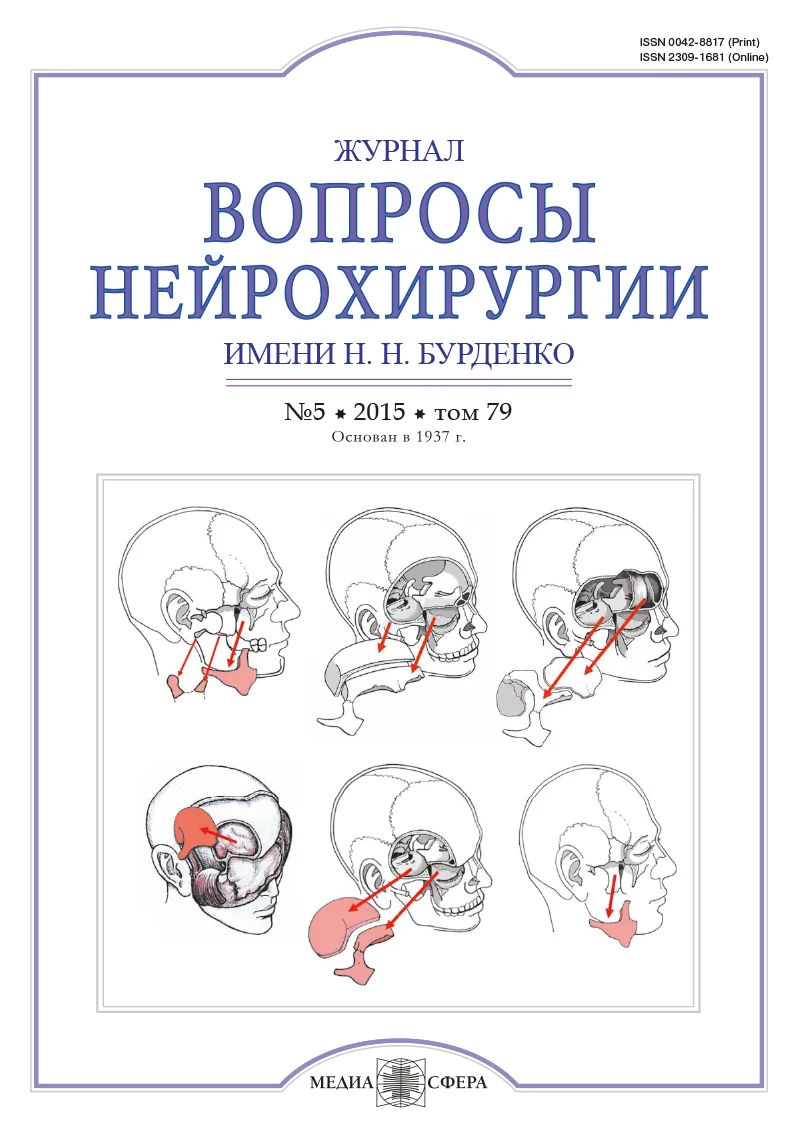
Орбитозигоматические доступы к опухолям основания черепа, распространяющимся в глазницу, околоносовые пазухи, полость носа, крылонебную и подвисочную ямки
Журнал: Вопросы нейрохирургии имени Н.Н. Бурденко. 2015;79(5):5-18.
DOI: 10.17116/neiro20157955-18
Прочитано: 3111 раз
Резюме
Ключевые слова
- орбитозигоматический доступ
- хирургия основания черепа
Дата публикации: 30.04.2020
В 1978 г. U. Fisch [1] описал доступ к основанию черепа и подвисочной ямке. Этот доступ долгое время являлся основным способом подхода к структурам подвисочной ямки, однако он связан с большой хирургической травмой, включая широкий разрез, пересечение ветвей лицевого нерва и другие последствия, сильно ухудшающие качество жизни пациентов. В качестве альтернативы в хирургическую практику был введен орбитозигоматический доступ (ОЗД), впервые предложенный P. Pellerin и соавт. в 1984 г. [2]. Он был усовершенствован A. Hakuba и соавт. в 1986 г. [3], в результате ОЗД стал наиболее универсальным доступом к распространенным опухолям основания черепа. ОЗД применялся в односоставной модификации по K. Ikeda и соавт. [4] (единый лобно-височно-орбитозигоматический костный лоскут) и двухсоставном варианте, который предполагает сначала выполнение конвекситальной краниотомии (как правило, птериональной), а затем формирование орбитозигоматического костного лоскута.
Орбитозигоматический доступ обеспечивает широкий обзор передней и средней черепных ямок, верхних отделов задней черепной ямки ската, глазницы, подвисочной и крылонебной ямок, вершины пирамиды височной кости и области вырезки намета мозжечка [5—8].
В хирургии опухолей краниофациального распространения наиболее сложной задачей является одновременный подход к интра- и экстракраниальным структурам. Большинство базальных доступов рассчитаны на визуализацию внутричерепных структур основания черепа, при этом экстракраниальные новообразования традиционно требовали применения наружных доступов (через подвисочную ямку, трансфациальных и др.). ОЗД и его модификации позволяют решить эту проблему благодаря возможности подхода к передним и средним отделам внутреннего и наружного основания черепа. Демонстрация этих преимуществ ОЗД и явилась целью данной работы.
Материал и методы
В результате многолетнего использования ОЗД в отделении хирургии основания черепа и краниофациальной хирургии ФГБНУ «НИИ нейрохирургии им. акад. Н.Н. Бурденко» был накоплен значительный опыт применения этого доступа при опухолях основания черепа, распространяющихся в глазницу, околоносовые пазухи, крылонебную и подвисочную ямки [9—11]. Среди имеющихся наблюдений наибольший интерес представляют разновидности ОЗД, включая не только классические, но и специальные, которые представляют собой уникальные методики подхода к наиболее сложным опухолям краниофациальной локализации.
Проведен анализ 723 наблюдений пациентов, оперированных с применением ОЗД с 2001 по 2014 г. Распределение наблюдений по гистологическому диагнозу представлено в таблице.

На основании этого опыта выделены следующие разновидности ОЗД.
1. ОЗД с резекцией наружных отделов крыльев основной кости — 225 наблюдений.
2. ОЗД для подхода к гиперостотическим краниоорбитальным менингиомам – 176.
3. Двухлоскутный ОЗД (птериональная краниотомия + орбитозигоматическая остеотомия) — 231.
4. Супраорбитальный доступ — 65.
5. ОЗД в комбинации с доступом через лобную пазуху — 1.
6. ОЗД в комбинации с расширенным субфронтальным доступом — 2.
7. ОЗД с резекцией височно-нижнечелюстного сустава и отростков нижней челюсти — 22.
Ниже приведены клинические наблюдения, иллюстрирующие каждый из вариантов ОЗД к опухолям краниофациального распространения.
1. ОЗД с резекцией наружных отделов крыльев основной кости
Однолоскутный ОЗД без птериональной краниотомии используется при опухолях, которые имеют экстракраниальное происхождение и занимают минимальный объем в средней черепной ямке. При этом резецируются наружные отделы большого крыла основной кости с открытием верхней и нижней глазничных щелей, круглого и овального отверстий. Пластика этого костного дефекта не требуется, поскольку он глубоко скрыт под мягкими тканями височной области и не приводит к косметическим последствиям.
Пример. Пациент И., 11 лет, поступил с жалобами на носовые кровотечения, онемение правой половины лица, асимметрию лица, общую слабость, периодическую сонливость. Около года назад родители стали отмечать отечность правой щеки, в течение последних 3—4 мес появились периодическая сонливость, снижение зрения на правый глаз. Было два эпизода профузных носовых кровотечений. Последние 2 мес беспокоит онемение правой половины лица. При обследовании выявлена распространенная краниофациальная ангиофиброма справа (рис. 1, а).

При поступлении общее состояние удовлетворительное, нормального телосложения, соматический статус без особенностей. В неврологическом статусе гипестезия в зоне V2 справа, отек правой половины лица, профузные носовые кровотечения (в анамнезе). Перед операцией выполнена суперселективная эмболизация афферентов опухоли микрочастицами ПВА.
Описание операции. Бикоронарный разрез мягких тканей, сформирован надкостничный лоскут в лобно-теменной области размером 9×5 см. Сформирован и удален орбитозигоматический лоскут (см. рис. 1, б–д). Произведена резекция наружных отделов большого крыла основной кости, открыта верхняя глазничная щель. Твердая оболочка рассечена линейным разрезом длиной 2 мм для выведения ликвора. Выявлена большая опухоль, заполнявшая подвисочную ямку, распространявшаяся экстрадурально на медиальные отделы средней черепной ямки. Сначала удален узел из подвисочной ямки, затем из верхней глазничной щели и передних отделов кавернозного синуса. Кровотечение из кавернозного синуса в глубине полости остановлено фрагментом Тахокомб. Затем произведено удаление опухоли из основной пазухи и носоглотки. Образовавшаяся полость осмотрена эндоскопом, остатков опухоли не выявлено. Дефекты твердой оболочки зашиты с дополнительной герметизацией 3 полосами Тахокомб. Пластика дефекта основания черепа перемещенными лоскутами жирового тела щеки, внутреннего слоя височной мышцы и надкостницы с фиксацией швами, фрагментами Тахокомб и фибринотромбиновым клеем. Костный лоскут уложен и фиксирован. Швы на мягкие ткани. В завершение операции установлен люмбальный дренаж.
В послеоперационном периоде нарастания неврологической симптоматики не отмечено. На момент выписки данных о назальной ликворее нет. При К.Т. головного мозга накопления контрастного вещества нет (см. рис. 1, е). Швы сняты на 7-е сутки. Пациент выписан домой в удовлетворительном состоянии под наблюдение неврологом и оториноларингологом по месту жительства.
2. ОЗД для подхода к гиперостотическим краниоорбитальным менингиомам
При гиперостотических менингиомах крыльев основной кости гиперостоз часто выходит на наружную поверхность большого крыла основной кости в височную ямку, где может в ряде случаев инфильтрировать надкостницу и височную мышцу (рис. 2, а). Это следует учитывать при диссекции височной мышцы. В случае инфильтрации ее внутреннего слоя его следует иссечь. Гиперостоз в птериональной области, как правило, обильно кровоснабжен, что требует тщательного гемостаза при скелетировании кости (с помощью монополярной коагуляции и костного воска). Резекцию гиперостоза производят после формирования орбитозигоматического костного лоскута (см. рис. 2, б). По завершении удаления опухоли на месте гиперостоза образуется костный дефект, пластику которого выполняют с помощью костного цемента или титановой пластины [12].

Пример. Пациентка Ф., 65 лет. Больна около 7 лет, когда появилось выбухание в правой височной области, которое постепенно увеличивалось. Позже присоединился правосторонний экзофтальм, ухудшилось зрение справа.
При поступлении в соматическом статусе определяется ожирение III степени, сахарный диабет 2-го типа, гипертоническая болезнь II степени. Неврологический статус: острота зрения справа 0,1, слева 1,0. Правосторонний экзофтальм 5 мм. Неправильное концентрическое сужение поля зрения справа, цвета не различает. Небольшой правосторонний отек век. Реакция на свет справа вялая, слева удовлетворительная. Движения правого глазного яблока ограничены во всех направлениях, больше вверх, движения левого глаза — в полном объеме. На глазном дне справа диск зрительного нерва с побледнением, границы четкие, вены полнокровны, извиты. На произведенных КТ определяется распространенный гиперостоз крыльев основной кости справа с распространением в височную и подвисочную ямки. Передний наклоненный отросток гиперостотически изменен (см. рис. 2, в).
Описание операции. Коронарный разрез мягких тканей справа. Задние отделы височной мышцы, инфильтрированные опухолью, иссечены. Выявлен больших размеров гиперостоз в лобно-височно-скуловой области. Cформирован и удален орбитозигоматический костный лоскут. Бором и выкусывателем произведено удаление гиперостоза, который распространялся в подвисочную ямку, на пирамиду височной кости и крышу глазницы. Открыты нижняя и верхняя глазничные щели, зрительный канал, овальное отверстие. Толщина гиперостоза в височно-скуловой области достигала 7 см. Удален инфильтрированный опухолью участок надкостницы глазницы. Заключительным этапом удален вместе с пораженной твердой мозговой оболочкой интрадуральный узел опухоли, расположенный в наружных отделах сильвиевой щели. Пластика дефекта твердой мозговой оболочки лоскутом жировой клетчатки из передней брюшной стенки и надкостницы с фиксацией швами, фибринотромбиновым клеем и полосами Тахокомб. Произведена пластика костного дефекта титановой пластиной с фиксацией мини-винтами. Орбитозигоматический лоскут уложен на место и фиксирован швами. Швы на мягкие ткани.
Послеоперационный период протекал гладко, рана зажила первичным натяжением. В неврологическом статусе отмечается регресс правостороннего экзофтальма, развитие полуптоза справа, увеличение движений правым глазным яблоком. Контрольная К.Т. подтвердила тотальное удаление опухоли, определяется дефект кости в области удаленного гиперостоза, отсутствие переднего наклоненного отростка, жировая клетчатка в ложе удаленной опухоли. Титановая пластина в проекции дефекта чешуи височной кости справа (см. рис. 2, г).
3. Двухлоскутный ОЗД (орбитозигоматическая остеотомия + птериональная краниотомия) (рис. 3, в-е)

Показанием для такого доступа являются опухоли передних и средних отделов основания черепа с экстракраниальным распространением, которые формируют большой интракраниальный узел. Чаще всего это менингиомы крыльев основной кости и невриномы гассерова узла и его ветвей.
Пример. Пациентка Б., 54 года, поступила с жалобами на резкое снижение зрения, пелену перед глазами. Анамнез не представляется возможным собрать из-за психических нарушений.
При поступлении состояние средней тяжести, соматический статус без особенностей. В неврологическом статусе грубые эмоционально-личностные нарушения, правосторонний гемипарез 4 балла. Острота зрения (с коррекцией): OD=0,5; OS=0,01 эксцентрично в височной половине. Реакция зрачка на свет вялая. Глазное дно: OU — диск зрительного нерва отечный, широко распространяющийся отек на прилежащую сетчатку, сосуды прикрыты отечной тканью, мелкие кровоизлияния перипапиллярно (резчайшие застойные диски зрительных нервов). При К.Т. головного мозга выявлена менингиома крыльев основной кости слева с выраженным перифокальным отеком (рис. 3, а).
Описание операции. Коронарный разрез мягких тканей слева. Под височной мышцей выявлен гиперостоз большого крыла основной кости. Птериональная остеопластическая краниотомия. Сформирован и удален орбитозигоматический лоскут. Произведена резекция гиперостоза, открыты верхняя и нижняя глазничные щели, толщина гиперостоза его достигала 1,5 см в проекции верхней глазничной щели. Удален узел опухоли в средней черепной ямке, заполнявший сильвиеву щель и достигавший кавернозного синуса и зрительного нерва. Пластика дефекта твердой оболочки лоскутом надкостницы с фиксацией швами. Костные лоскуты уложены и фиксированы. Швы на мягкие ткани.
После операции отмечается регресс гемипареза, неполный регресс эмоционально-личностных расстройств. При нейроофтальмологическом осмотре — улучшение зрительных функций. Гистологический диагноз: менингиома менинготелиоматозная с полиморфизмом ядер и единичными митозами. При К.Т. с контрастным усилением участков накопления контраста нет, сохраняется зона отека (см. рис. 3, б).
4. Супраорбитальный доступ
Супраорбитальный доступ без резекции тела скуловой кости и скуловой дуги тоже является разновидностью ОЗД [13]. Супраорбитальный доступ был разработан в 1982 г. J. Jane и соавт. [14]. O. Al-Mefty и соавт. [15] модифицировали этот доступ путем добавления к птериональному лоскуту верхней и латеральной стенок глазницы, в результате чего все эти структуры оказываются включенными в единый костный лоскут (рис. 4, а). Главное преимущество доступа — возможность подхода к зрительному нерву на всем протяжении от заднего полюса глазного яблока до хиазмы.

Пример. Пациентка М., 35 лет, поступила с жалобами на слепоту на левый глаз. Снижение зрения отмечала в течение 3 лет, 2 мес назад зрение резко ухудшилось в связи с предполагаемым диагнозом «тромбоз центральной вены сетчатки». По месту жительства проведена ограниченная лазерная коагуляция, вскоре зрение ухудшилось до амавроза. При обследовании выявлена опухоль левого зрительного нерва (см. рис. 4, б).
При поступлении состояние удовлетворительное, соматический статус без особенностей. В клинической картине заболевания слепота на левый глаз, левосторонний экзофтальм.
Описание операции. Коронарный разрез мягких тканей слева. Сформирован и удален супраорбитальный лоскут, включавший верхнелатеральные отделы орбитального кольца с прилежащими участками крыши глазницы, чешуи лобной и височной костей. Открыты верхняя глазничная щель и зрительный канал. После разреза надкостницы глазницы осуществлен подход в мышечную воронку между верхней и наружной прямыми мышцами. Обнаружена опухоль зрительного нерва с капсулой серого цвета (см. рис. 4, в). Произведено пересечение зрительного нерва у заднего полюса глазного яблока с коагуляцией культи (см. рис. 4, г), после чего опухоль выделена из ложа до входа в канал и удалена. Затем произведено рассечение оболочки внутриканальной части зрительного нерва (см. рис. 4, д), выявлена опухоль, распространяющаяся интрадурально. Произведено пересечение внутриканальной части опухоли в месте перехода опухоли интрадурально, внутриканальная часть вывихнута из общего сухожильного кольца и удалена (см. рис. 4, е). Продление полукружного разреза твердой оболочки в лобно-височной области. Подход к интракраниальной части зрительного нерва (см. рис. 4, ж). Опухоль здесь пересечена вместе с пораженным зрительным нервом, выделена до канала и удалена (см. рис. 4, з, и). Твердая оболочка зашита наглухо. Зрительный канал тампонирован фрагментом жирового тела щеки с фиксацией фибринотромбиновым клеем. Ткани глазницы орошены раствором гидрокортизона. В глазнице оставлен силиконовый ирригатор, выведенный через контрапертуру на коже. Костный лоскут уложен и фиксирован. Швы на мягкие ткани.
Послеоперационный период протекал гладко. Заживление раны первичным натяжением. Гистологический диагноз: астроцитома пилоидная с очаговыми лимфоидными инфильтратами. После операции развился парез 3, 6 нервов слева, нарушение функции 1 ветви 5 нерва слева. При контрольном КТ-исследовании подтверждено тотальное удаление опухоли, выявляется дефект крыльев основной кости, пластический материал в области дефекта (см. рис. 4, к). Пациентка выписана в удовлетворительном состоянии под наблюдение неврологом и офтальмологом по месту жительства.
5. ОЗД в комбинации с доступом через лобную пазуху (рис. 5)

Такой вариант доступа в нашей практике был использован у 2 пациентов с гигантскими менингиомами, распространяющимися на переднюю и среднюю черепные ямки, у которых были гипертрофированные лобные пазухи [16, 17].
Пример. Пациентка Г., 49 лет, поступила с жалобами на головные боли, тошноту, эпизоды рвоты, слепоту слева, снижение зрения на правый глаз. Девять лет назад стало ухудшаться зрение на левый глаз. Лечилась у офтальмологов с диагнозом неврит зрительного нерва. Спустя 2 года левый глаз ослеп полностью. Через 1 год появилось и стало постепенно нарастать выпячивание левого глаза. Четыре месяца назад стало ухудшаться зрение на правый глаз. При КТ-исследовании выявлена краниоорбитальная опухоль справа.
При поступлении состояние средней тяжести. Соматический статус без существенных особенностей. В клинической картине заболевания снижение критики, мнестические нарушения, аносмия слева, левосторонний амавроз, острота зрения OD=0,4, центральная скотома на все цвета, левосторонний экзофтальм 6 мм. Движения глазных яблок справа свободны, слева ограничены кнутри, вверх и вниз. Умеренная статическая атаксия. МРТ выявлена большая менингиома передней и средней черепных ямок слева. Опухоль распространяется в хиазмально-селлярную область, медиальные отделы обоих зрительных каналов, левую глазницу, левый кавернозный синус, на диафрагму турецкого седла, ретроселлярно — под верхние отделы ствола мозга. Опухоль сдавливает III желудочек. Лобная пазуха больших размеров (см. рис. 5, б).
Описание операции. Бикоронарный разрез мягких тканей. Сформирован лоскут надкостницы в лобно-теменной области размером 6×12 см. С помощью диафаноскопа отмечены границы передней стенки лобной пазухи, которая затем выпилена бором. Задняя стенка пазухи резецирована. Сформирован и удален орбитозигоматический костный лоскут. Произведена резекция крыльев основной кости с открытием верхней и частично нижней глазничных щелей, резецированы латеральные отделы переднего наклоненного отростка. Подход к ретробульбарному пространству — между верхней и наружной прямыми мышцами, выявлена опухоль серого цвета, плотная, окутывавшая зрительный нерв. После отделения от опухоли ресничных нервов и сосудов она пересечена вместе с пораженным зрительным нервом у заднего полюса глазного яблока. Затем опухоль выделена до уровня входа в зрительный канал и пересечена. Разрез твердой мозговой оболочки, подход к средней черепной ямке через сильвиеву щель. Произведена коагуляция части опухоли, прилежавшей к основанию передней черепной ямки. При удалении латеральных отделов опухоли выделена супраклиноидная часть внутренней сонной артерии до бифуркации. От капсулы отделена и смещена передняя ворсинчатая артерия. Затем опухоль отделена от левой передней мозговой и передней соединительной артерий. Выявлено, что опухоль распространяется эндоселлярно и прикрепляется к левому переднему наклоненному отростку, площадке основной кости и бугорку турецкого седла. Остатки распластанного левого зрительного нерва пересечены. После удаления опухоли были освобождены правый зрительный нерв, хиазма, правая передняя мозговая артерия. Инфильтративная часть опухоли на латеральной стенке кавернозного синуса, каменисто-наклоненной связке коагулирована. Пластика дефекта твердой мозговой оболочки основания средней черепной ямки лоскутом жировой клетчатки из передней брюшной стенки, фиксированной фибриновым клеем и полосками Тахокомб. На костный дефект основания черепа уложен вдвое надкостничный лоскут, фиксированный швами и фибринотромбиновым клеем. Костные лоскуты уложены на место и последовательно фиксированы шелковыми швами. Швы на мягкие ткани.
В послеоперационном периоде нарастания неврологической симптоматики не выявлено. Левосторонний экзофтальм регрессировал. Улучшилась острота зрения на правый глаз с 0,4 до 0,9. Гистологический диагноз: менинготелиоматозная менингиома. Заживление первичным натяжением. При контрольной КТ головного мозга с контрастным усилением через 2 нед после операции четких данных об остатках опухоли не выявлено, имеется послеоперационный отек в левой лобной области, воздух под костным лоскутом слева (см. рис. 5, в). Пациентка выписана в удовлетворительном состоянии под амбулаторное наблюдение.
6. ОЗД в комбинации с расширенным субфронтальным доступом (рис. 6, б)

Такая модификация доступа сочетает все преимущества расширенных базальных доступов к передней и средней черепным ямкам благодаря удобству подхода к экстракраниальному пространству и отсутствию необходимости тракции мозга [16, 17]. Недостатком доступа является его травматичность.
Пример. Пациент К., 11 лет, поступил с жалобами на периодические носовые кровотечения, отсутствие носового дыхания, деформацию правой половины лица, выпячивание правого глазного яблока, ухудшение зрения на правый глаз, снижение слуха на правое ухо. Два года назад появились заложенность в носу и периодические носовые кровотечения. При обследовании по месту жительства выявлена краниофациальная опухоль, расцененная как злокачественная. Больному проведен курс лучевой терапии суммарной дозой 36 Гр без существенного эффекта. Состояние постепенно ухудшалось, появились деформация лица и выпячивание правого глазного яблока, ухудшилось зрение на правый глаз, участились носовые кровотечения, снизился слух справа. Произведена трансназальная биопсия опухоли. Гистологический диагноз: ангиофиброма. Контрольная МРТ показала заметное увеличение размеров опухоли.
При поступлении состояние средней тяжести, выраженная астенизация. Асимметрия лица. Обтурация носовой полости объемным образованием. Кровянисто-гнойное отделяемое из носа. Острота зрения справа 0,1, слева 1,0. Правосторонный экзофтальм 10 мм, репозиция глазного яблока затруднена. Полуптоз справа. Снижение корнеального рефлекса справа. Зрачок справа шире. Правое глазное яблоко отклонено кнаружи и вверх, движения в нем сохранены кнаружи и кнутри, вверх и вниз резко ограничены. Слева движения глазного яблока в полном объеме. На глазном дне справа диск зрительного нерва бледный, границы четкие, вены полнокровны, сосуды извиты. Слева диск зрительного нерва розовый, границы четкие, сосуды без особенностей. Полуптоз справа. Гиперпатия в зоне иннервации I ветви, гипестезия в зоне иннервации II ветви тройничного нерва. Снижение слуха на правое ухо. Сглаженность носогубной складки справа. При фонации пролабирует кожа правой височной области. Парезов нет, мышечный тонус снижен. Сухожильные рефлексы низкие, без асимметрии. Умеренная статистическая и динамическая атаксия, дискоординация. На представленных КТ: гигантская краниофациальная опухоль экстра-интракраниального распространения (полость носа, околоносовые пазухи, больше справа, подвисочные ямки, преимущественно справа, носоглотка, передняя черепная ямка, хиазмально-селлярная область, кавернозные синусы) (см. рис. 6, а). Выполнена предоперационная эндоваскулярная эмболизация ветвей обеих наружных сонных артерий, участвующих в кровоснабжении опухоли.
Описание операции. Бикоронарный разрез мягких тканей. Сформирован надкостничный лоскут в лобно-теменной области размером 6×12 см. Произведена костно-пластическая трепанация свободным бифронтальным лоскутом с прилежащей частью правой височной кости. Сформирован и удален базальный лоскут, включавший верхние отделы обеих орбит, переносье, правую скуловую дугу и верхнюю треть тела правой скуловой кости. Выявлена опухоль, выбухавшая двумя большими узлами: в переднюю черепную ямку медиальнее правой глазницы и в подвисочную ямку справа. Сначала произведено отделение от окружающих тканей и удаление опухоли большими фрагментами из подвисочной и крылонебной ямок, верхнечелюстной пазухи справа. Затем удалена средняя часть опухоли, выбухавшая медиальнее правой глазницы, она распространялась интрадурально в переднюю черепную ямку, откуда также удалена. При этом вскрылась киста с желтым содержимым. Образовался линейный дефект твердой оболочки длиной около 4 см на основании передней черепной ямки и в области верхней глазничной щели справа. Опухоль в виде отдельных фрагментов удалена из решетчатых и основной пазух. Освобожден правый зрительный нерв. После этого удалены глубинные отделы опухоли в подвисочной ямке. Затем опухоль удалена из носоглотки и левой подвисочной ямки. Выявлена и освобождена вторая ветвь левого тройничного нерва. Дефекты твердой мозговой оболочки зашиты с дополнительной фиксацией полосками Тахокомб. Произведена тампонада нижнего этажа раны (носоглотки) марлевой турундой с фурацилиновой мазью, выведенной через правое носовое отверстие. Сформированный лоскут надкостницы уложен вдвое на твердую мозговую оболочку и фиксирован к остаткам основной пазухи фибриновым клеем. Затем сформирован лоскут жирового тела щеки, перемещен на ножке в область верхней глазничной щели и фиксирован фибриновым клеем и швами к твердой мозговой оболочке. Произведена тампонада полости в подвисочной ямке и правой верхнечелюстной пазухе перемещенным лоскутом височной мышцы с фиксацией швами за надкостницу глазницы и фибриновым клеем. Костные лоскуты уложены на место и последовательно фиксированы. Швы на мягкие ткани. В начале операции был установлен люмбальный дренаж.
Послеоперационное течение было относительно гладким. Рана зажила первичным натяжением. Турунда из полости носа удалена на 6-е сутки, люмбальный катетер удален на 10-е сутки. На 14-е сутки после операции появились признаки назальной ликвореи, произведена эндоскопическая эндоназальная пластика ликворной фистулы основания черепа. На 3-и сутки после этого вновь возобновилась ликворея. Произведено люмбо-перитонеальное шунтирование слева. На фоне шунта ликворея прекратилась.
В послеоперационном статусе восстановилась функция носового дыхания, развились слепота на правый глаз, правосторонний энофтальм 4 мм, выпадение функций III, IV нервов, I и II ветвей тройничного нерва справа, недостаточность VII нерва справа, лобная атаксия, эмоционально-личностные расстройства. Контрольная К.Т. показала полное удаление опухоли (см. рис. 6, в). В удовлетворительном состоянии пациент выписан под наблюдение нейрохирурга, невропатолога, ЛОР-врача и окулиста по месту жительства.
7. ОЗД с резекцией височно-нижнечелюстного сустава и отростков нижней челюсти
Лобно-височно-орбитозигоматический доступ по L. Sekhar и соавт. предполагает резекцию латеральных отделов основания средней черепной ямки, включая височно-нижнечелюстной сустав [18]. В нашей практике резекция височно-нижнечелюстного сустава выполняется лишь в случае его блокирования опухолью с целью радикального удаления и восстановления объема движений нижней челюсти (рис. 7, а).

Пример. Пациентка К., 32 года, поступила с жалобами на пульсацию в левой височно-скуловой области, снижение слуха на левое ухо, подергивание мышц век и левой половины лица. Считает себя больной в течение 6 мес, когда вначале появилась пульсация, затем присоединилась левосторонняя тугоухость и ушной шум. При обследовании выявлена опухоль наружных отделов средней черепной ямки, пирамиды височной кости и подвисочной ямки.
При поступлении состояние удовлетворительное, соматический статус без особенностей. В клинической картине заболевания: нарушение функции 5 нерва слева, обтурация левого наружного слухового прохода опухолью, постоянный объективный пульсирующий ушной шум, кондуктивная тугоухость слева, спонтанный горизонтальный мелкоразмашистый клонический нистагм. При К.Т. выявляется опухоль средней черепной ямки, передней поверхности пирамиды височной кости с костной деструкцией, распространяющаяся экстракраниально в височную и подвисочную ямки, на височно-нижнечелюстной сустав (см. рис. 7, б). Перед операцией удаления опухоли была выполнена эндоваскулярная эмболизация левой верхнечелюстной артерии.
Описание операции. Коронарный разрез мягких тканей слева. Сформирован лоскут височной мышцы.


Рекомендуем статьи по данной теме:
Врожденные базальные энцефалоцеле, включающие функционально значимые структуры.Вопросы нейрохирургии имени Н.Н. Бурденко. 2024;88(5):102-109