Перекрут придатков матки у девочек. Статистический анализ
Резюме
Перекрут придатков матки включает в себя перекрут здорового или патологического яичника, перекрут маточной трубы, параовариальной кисты или комбинацию этих состояний. Перекрут придатков матки — один из самых сложных диагнозов в педиатрии, так как симптомы часто неспецифичны. Дискуссионным вопросом остается выбор оптимального объема хирургического лечения пациенток с перекрутом придатков матки. У девочек-подростков следует проводить минимально инвазивное хирургическое лечение в объеме деторсии и сохранения яичника, овариэктомия рекомендована только при некротическом изменении тканей.
ЦЕЛЬ ИССЛЕДОВАНИЯ
Выполнить анализ случаев перекрута придатков матки у девочек, госпитализированных в ГБУЗ «Морозовская ДГКБ ДЗМ» и клинический госпиталь MD GROUP Москвы за период 2019—2024 гг.
МАТЕРИАЛ И МЕТОДЫ
Ретроспективно проанализированы медицинские карты 91 девочки в возрасте от 0 до 18 лет, оперированных по поводу перекрута придатков матки за период 2019—2024 гг. Для статистической обработки данных исследования использовали программный пакет Microsoft Excel «Описательная статистика». Количественные показатели представлены в виде среднего (Mean) и стандартного отклонения (SD). Качественные показатели представляли в виде частоты и доли (%).
РЕЗУЛЬТАТЫ
Средний возраст пациенток составил 10,5—5,1 года. В 1-е сутки от появления жалоб в стационар поступили 45 (49,5%) девочек. В 46 (50,5%) случаях имели место более поздние диагностика и госпитализация. Деторсию придатков с сохранением яичника произвели у 43 (47,3%) пациенток, одностороннюю аднексэктомию — у 46 (50,5%), резекцию яичника — у 1 (1,1%). Из 8 (8,8%) новорожденных девочек с перекрутом придатков матки только у 1 произведены деторсия и фиксация измененного яичника, остальным выполнена аднексэктомия измененного яичника. По данным гистологического исследования, у 46 (50,5%) пациенток диагностированы образования придатка матки. В их числе функциональные образования (фолликулярная киста и киста желтого тела) — у 15 (32,6%), параовариальные кисты — у 16 (34,8%), эпителиальные доброкачественные образования (серозные и муцинозная цистаденомы) — у 7 (16,7%), образования, содержащие остатки эмбриональной ткани (тератомы и дермоидные кисты), — у 7 (16,7%), опухоль стромы полового тяжа (гранулезоклеточная опухоль) — у 1 (2,4%).
ЗАКЛЮЧЕНИЕ
Время, прошедшее с момента появления боли, играет решающую роль в диагностике некроза яичников. У пациенток с ранним выявлением перекрута яичников прогноз может быть лучше при органосохраняющих вмешательствах. Необходимо выработать тактику ведения пациенток с перекрутом придатков матки в детском возрасте с целью максимального сохранения репродуктивного потенциала молодежи.
Ключевые слова
- перекрут придатков матки у девочек
- аднексэктомия
- деторсия придатков матки
- сохранение фертильности
Дата поступления: 01.11.2024
Дата принятия в печать: 17.12.2024
Дата публикации: 11.09.2025
Введение
Перекрут придатков матки (ППМ) включает в себя перекрут здорового или патологического яичника, перекрут маточной трубы, параовариальной кисты или комбинацию этих состояний, а также является причиной пятого по частоте оперативного вмешательства в гинекологической практике [1]. Из факторов, обусловливающих ППМ, отмечают ретенционные кисты яичников (24%), тератоидные образования (20%), цистаденомы (8%). В единичных случаях в патогенезе ППМ встречаются злокачественные новообразования [2, 3].
Отмечено, что ППМ представляет собой один из самых сложных диагнозов в педиатрии. Симптомы часто неспецифичны, включая внезапную пронзительную локализованную боль внизу живота, сопровождающуюся тошнотой и рвотой, перитонеальными признаками. В ряде случаев могут быть указания на болевой синдром в анамнезе, а на момент осмотра боль может отсутствовать. С ошибками, связанными с дифференциальной диагностикой ППМ, чаще встречаются хирурги в больницах, где отсутствует детская гинекологическая хирургия [2].
Несмотря на то что ППМ чаще всего бывает односторонним, зарегистрированы случаи двустороннего синхронного или асинхронного перекрута [4, 5]. В систематическом обзоре, который включал 96 исследований, указано, что ППМ чаще всего происходит в неонатальном периоде и подростковом возрасте, средний возраст составляет 14,5 года [6]. Частота ППМ — 4,9 на 100 000 детей и до 4% обращений к педиатру по поводу острой боли в животе. У новорожденных ППМ может протекать бессимптомно и представляет собой антенатальный перекрут. У детей старше 1 года ППМ составляет 1,3% острой хирургической патологии [7].
Методом визуализации первой линии при диагностике перекрута яичников является ультразвуковое исследование (УЗИ) с цветовым допплеровским картированием (ЦДК). Показано, что УЗИ обладает более высокой чувствительностью без воздействия ионизирующего излучения по сравнению с компьютерной томографией [8]. Недавний метаанализ показал, что УЗИ обладает совокупной чувствительностью 0,79 и специфичностью 0,76, в то время как показатели магнитно-резонансной томографии (МРТ) составляют 0,81 и 0,91 соответственно [9]. Сообщается, что МРТ является предпочтительным методом визуализации образования в яичнике, которое привело к перекруту, и может быть выполнена после деторсии [10].
Лабораторных данных, которые могли бы предсказать ППМ, не существует. Пиурия может быть связана с ППМ. Могут наблюдаться умеренный лейкоцитоз и повышенный уровень C-реактивного белка, что является результатом выброса кортизола вследствие ишемии яичников [7].
Самым дискуссионным вопросом остается выбор оптимального объема хирургического лечения пациенток с ППМ. Если раньше единственным верным решением при ППМ являлась аднексэктомия, то на данный момент тактика меняется в сторону органосохраняющих операций [11].
Девочки-подростки — это особая группа, при ведении которой требуется максимальная направленность на сохранение репродуктивной функции и овариального резерва [12, 13].
Именно у пациенток этой группы следует проводить минимально инвазивное хирургическое лечение в объеме деторсии и сохранения яичника, овариэктомия рекомендована только при некротическом изменении тканей. Как отмечают авторы исследования случай-контроль, после деторсии даже при наличии черного окрашивания во время операции через 3 мес отмечалось возобновление кровотока в яичнике по данным ЦДК [14].
Одна из самых важных особенностей — бессимптомное клиническое течение опухолей яичников, что может быть обусловлено анатомо-физиологическими особенностями организма девочек (небольшие размеры костного таза и матки, расположение матки и яичников высоко в брюшной полости). И зачастую выраженную клиническую картину можно увидеть только в случае осложненного течения заболевания (перекручивания ножки новообразования яичника, разрыва капсулы опухоли яичника). У детей перекрут ножки новообразования яичника регистрируется в 9,4 раза чаще, чем у взрослых женщин, что обусловлено более высокой растяжимостью связочного аппарата придатков матки и подвижностью новообразования [11].
В России в настоящее время не разработан клинический протокол ведения девочек-подростков с ППМ, решение об объеме оперативного лечения врач принимает самостоятельно.
Цель исследования — выполнить анализ случаев ППМ у девочек, госпитализированных в ГБУЗ «Морозовская ДГКБ ДЗМ» и клинический госпиталь MD GROUP Москвы за период 2019—2024 гг.
Материал и методы
Ретроспективно проанализированы медицинские карты 91 девочки в возрасте от 0 до 18 лет, прооперированных по поводу ППМ за период 2019—2024 гг. При проведении анализа оценивали жалобы, клинические проявления заболевания, время от момента появления жалоб до поступления в стационар, возраст, данные лабораторного и инструментального обследования, объем выполненного оперативного вмешательства. Результаты представлены в виде графиков и таблиц с выводами. Для статистической обработки данных исследования использовали программный пакет Microsoft Excel «Описательная статистика». Количественные показатели представлены в виде среднего (Mean) и стандартного отклонения (SD). Качественные показатели представляли в виде частоты и доли (%).
Результаты
За период 2019—2024 гг. в гинекологическое отделение ГБУЗ «Морозовская ДГКБ ДЗМ» госпитализировано 88 девочек и за период 2023—2024 гг. — 3 девочки в клинический госпиталь MD GROUP Москвы с ППМ.
Возраст пациенток с верифицированным диагнозом ППМ колебался от 0 до 17 лет включительно. Для удобства мы разделили периоды детского возраста согласно общепринятым этапам развития человека [15] на: период новорожденности (0—28 дней), период грудного возраста (от 29-го дня жизни до 1 года), период раннего детства (преддошкольный период) — от 1 года до 3 лет, первый период детства — дошкольный возраст (от 3 до 7 лет), второй период детства — младший школьный возраст (от 7 до 12 лет), старший школьный возраст (с 12 до 18 лет) (рис. 1).
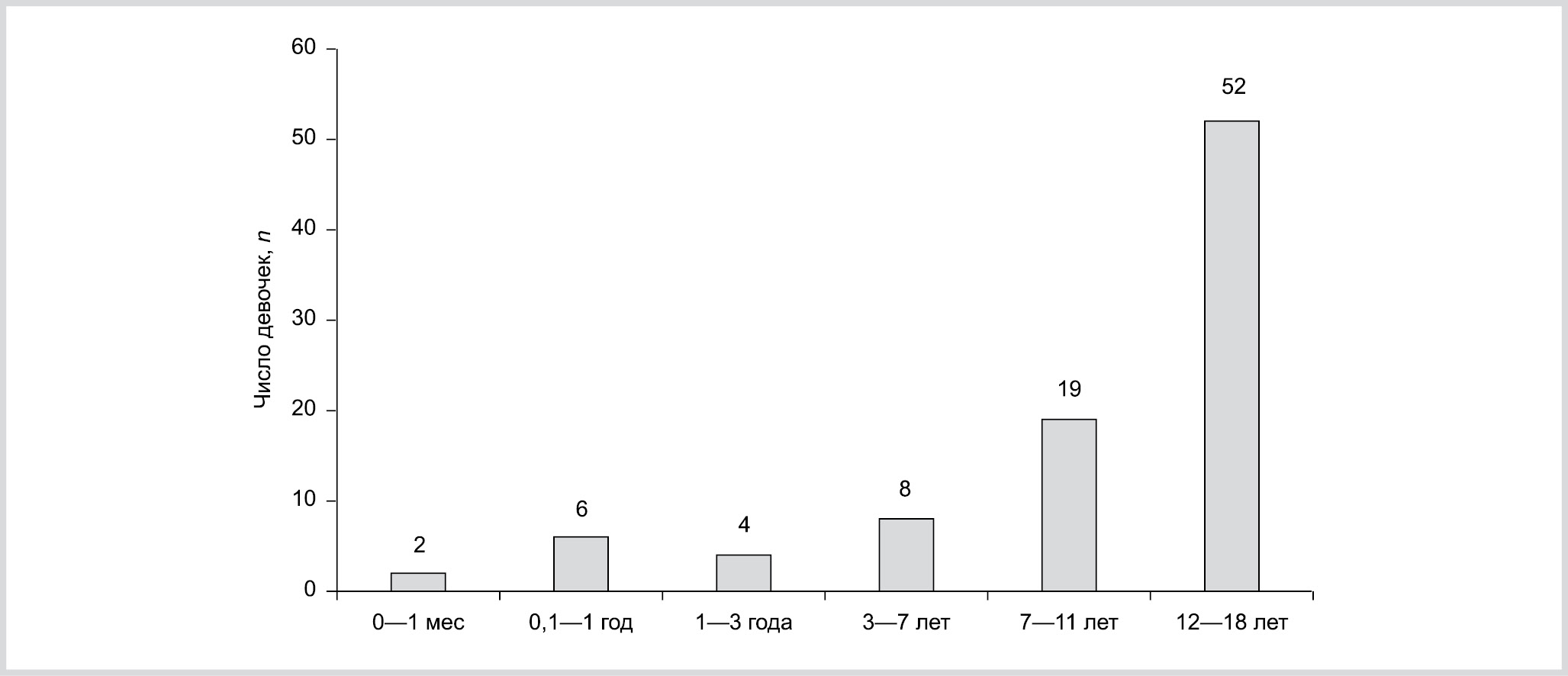
Рис. 1. Возрастная характеристика пациенток с перекрутом придатков матки.
Наибольшее количество случаев развития данной патологии выявлено в возрастной группе от 12 до 18 лет (57,1%), наименьшее — у детей от рождения до 7 лет (суммарно в 22% случаев). Средний возраст составил 10,5—5,1 года.
Большое значение для сохранения функции яичников имеет время госпитализации от момента появления первых жалоб. Чем раньше проведено оперативное лечение, тем больше вероятность восстановления работы яичников (рис. 2).
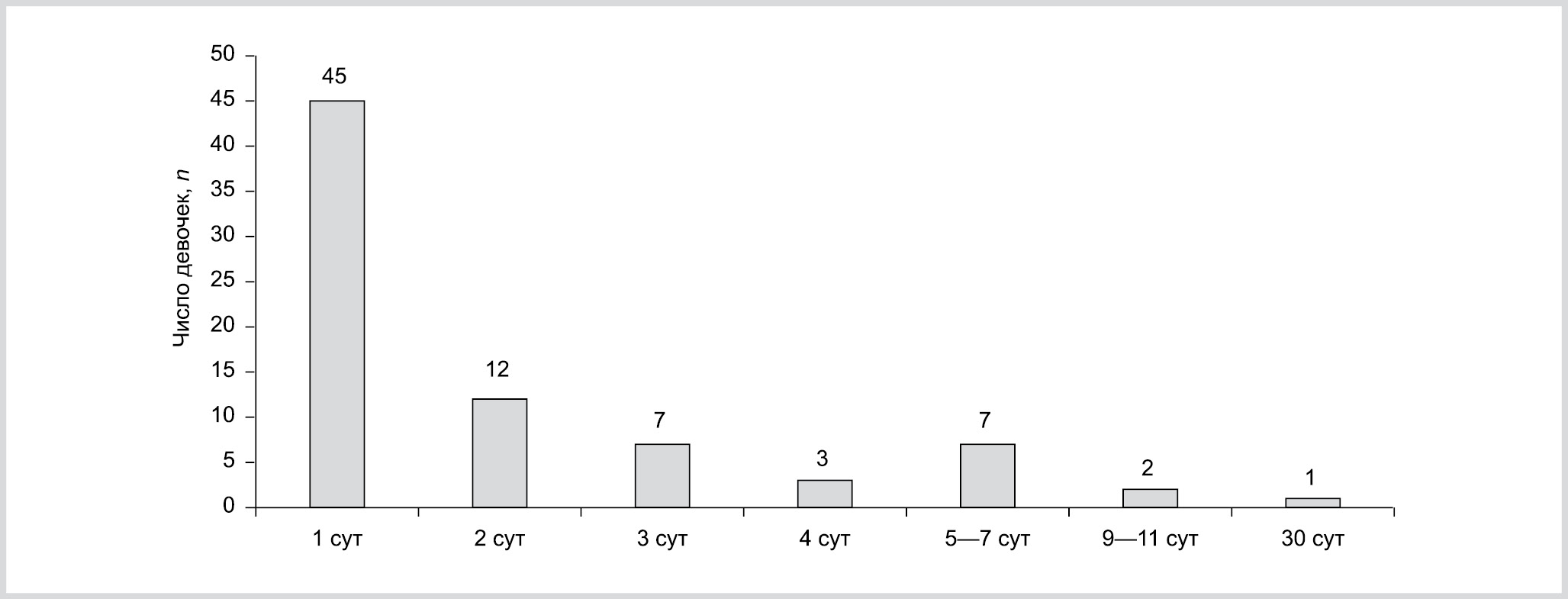
Рис. 2. Сроки госпитализации.
В 1-е сутки от начала появления жалоб поступили в стационар 49,5% девочек. В остальных случаях (50,5%) имели место более поздние диагностика и госпитализация. Следует отметить, что 5 (5,5%) девочек госпитализированы планово (2 новорожденные и 3 девочки в возрасте от 5,7 до 8,5 года). Среднее время от момента поступления пациенток с ППМ до операции составило 52,8—94,1 ч.
Симптомы при ППМ часто неспецифичны. Очень важно проводить осмотр девочек при наличии острой хирургической патологии не только врачом-хирургом, но и врачом — акушером-гинекологом для несовершеннолетних. В неонатальном периоде при внутриутробно случившемся ППМ обычно симптоматики нет и дети ведут себя спокойно. Диагноз устанавливают еще во время беременности в III триместре, когда при проведении УЗИ выявляют кисту яичника у плода с признаками перекрута (рис. 3). Результаты анализа причин перекрута представлены на рис. 4.
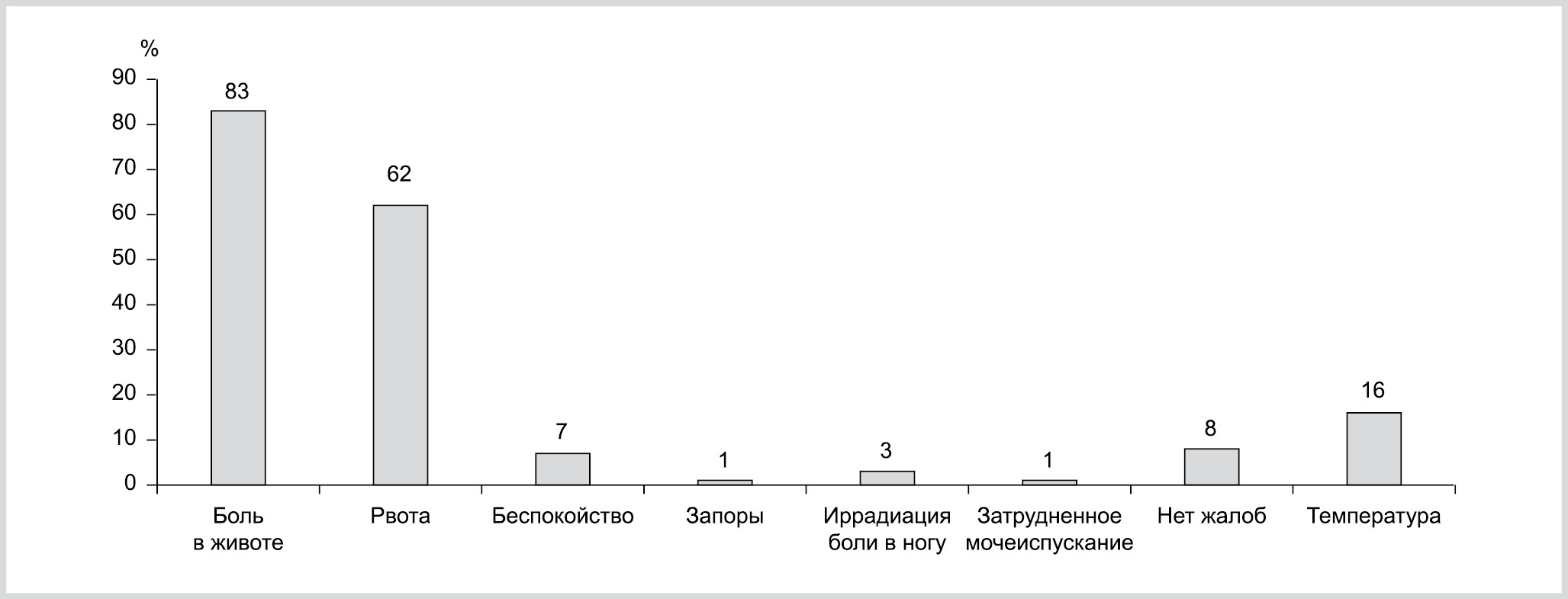
Рис. 3. Характеристика жалоб при поступлении в стационар.
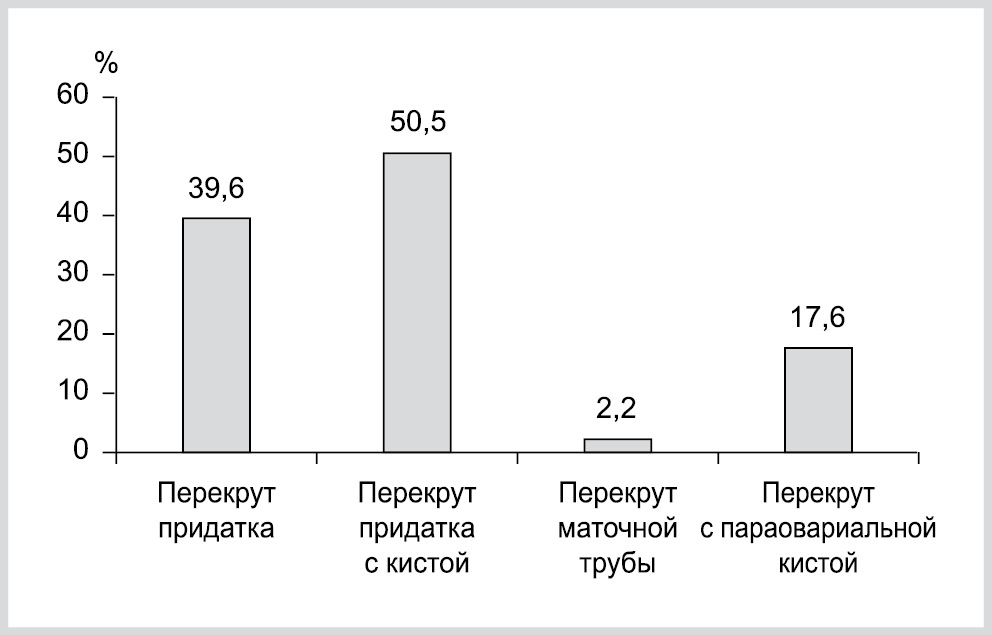
Рис. 4. Причины перекрута придатков матки.
Ведущими симптомами заболевания были боль внизу живота и рвота. У девочек до 1 года родители также отмечали беспокойство. Некоторые девочки жаловались на иррадиацию боли в ногу, запоры и затрудненное мочеиспускание. Родители с целью купирования боли и рвоты самостоятельно использовали спазмолитические, антацидные препараты (дротаверина гидрохлорид, регидрон, фосфалюгель и др.), но без значительного эффекта. При поступлении в стационар субфебрильная температура тела отмечалась почти у каждой 6-й девочки.
Проведенное лабораторное обследование показало наличие в общем анализе крови умеренного (до 16,12×10⁹/л) лейкоцитоза у 34 (37,4%) пациенток, большинство из которых госпитализированы более чем через 24 ч от начала заболевания.
Всем пациенткам при поступлении проводили УЗИ органов малого таза с оценкой кровотока (ЦДК). Объем яичника (V) рассчитывали по упрощенной формуле эллипса как произведение длины (L), толщины (T) и высоты (W) яичника, умноженное на 0,532:
V=L×T×W×0,532
По данным УЗИ, пораженный яичник почти всегда был больше по объему, у 46 (50,5%) девочек в нем определялось образование (киста) (табл. 1).
Таблица 1. Ультразвуковая характеристика пораженных придатков (яичников) и объемных образований (кист)
Параметр | Объем яичника (см3) | Размер кисты (мм) | Параовариальная киста (мм) (n=16) | Кровоток по данным ЦДК (n) | |
есть | нет | ||||
ПЯ (n=27) | 128,5—263,8 | 56,6—50,2 (n=12) | 49,3—15,2 | 10 | 23 |
ЛЯ (n=34) | 112,2—110,5 | 50,1—18,1 (n=18) | 22 | 15 | |
Примечание. ПЯ — правый яичник; ЛЯ — левый яичник; ЦДК — цветовое допплеровское картирование.
Самое большое образование выявлено у девочки в возрасте 14,4 года, поступившей на 4-е сутки после появления боли в животе и рвоты. Во время УЗИ выявлено многокамерное образование справа 150×110×120 мм с отсутствием кровотока в яичнике. В крови содержание лейкоцитов 16,12·109/л. Произведена аднексэктомия справа, при гистологическом исследовании выявлены дермоидная киста, оментит.
Хирургическое лечение проводили всем пациенткам с применением лапароскопического доступа. Примерно с равной частотой встречались перекруты правых (у 44 (48,4%) пациенток) и левых (у 47 (51,6%)) придатков, перекрут придатка с параовариальной кистой выявлен у 16 (17,6%) девочек, перекрут маточной трубы — у 2 (2,2%). Почти у каждой девочки обнаружены увеличенные придатки на стороне поражения и изменение их цвета. В 9,9% (9 девочек) случаев в связи с поздним обращением за медицинской помощью (4—11-е сутки) во время операции обнаружено, что за длительное время ишемии в придатках возникал некроз с необратимыми деструктивными изменениями. При лапароскопии ткань яичника и маточной трубы имела признаки глубокого некроза с дефектами, легко травмировалась при прикосновении манипулятором.
У 46 девочек обнаружено наличие кистозных образований в структуре перекрученных придатков, у 36 — увеличенные перекрученные яичники.
По данным гистологического исследования, у 46 (50,5%) пациенток выявлены образования придатков матки. В том числе диагностированы функциональные образования (фолликулярная киста и киста желтого тела) — у 15 (32,6%), параовариальные кисты — у 16 (34,8%), эпителиальные доброкачественные образования (серозные и муцинозная цистаденомы) — у 7 (16,7%), образования, содержащие остатки эмбриональной ткани (тератомы и дермоидные кисты), — у 7 (16,7%), опухоль стромы полового тяжа (гранулезоклеточная опухоль) — у 1 (2,4%). В случаях аднексэктомий (n=46, 50,5%) выявлен некроз яичниковой ткани (рис. 5).
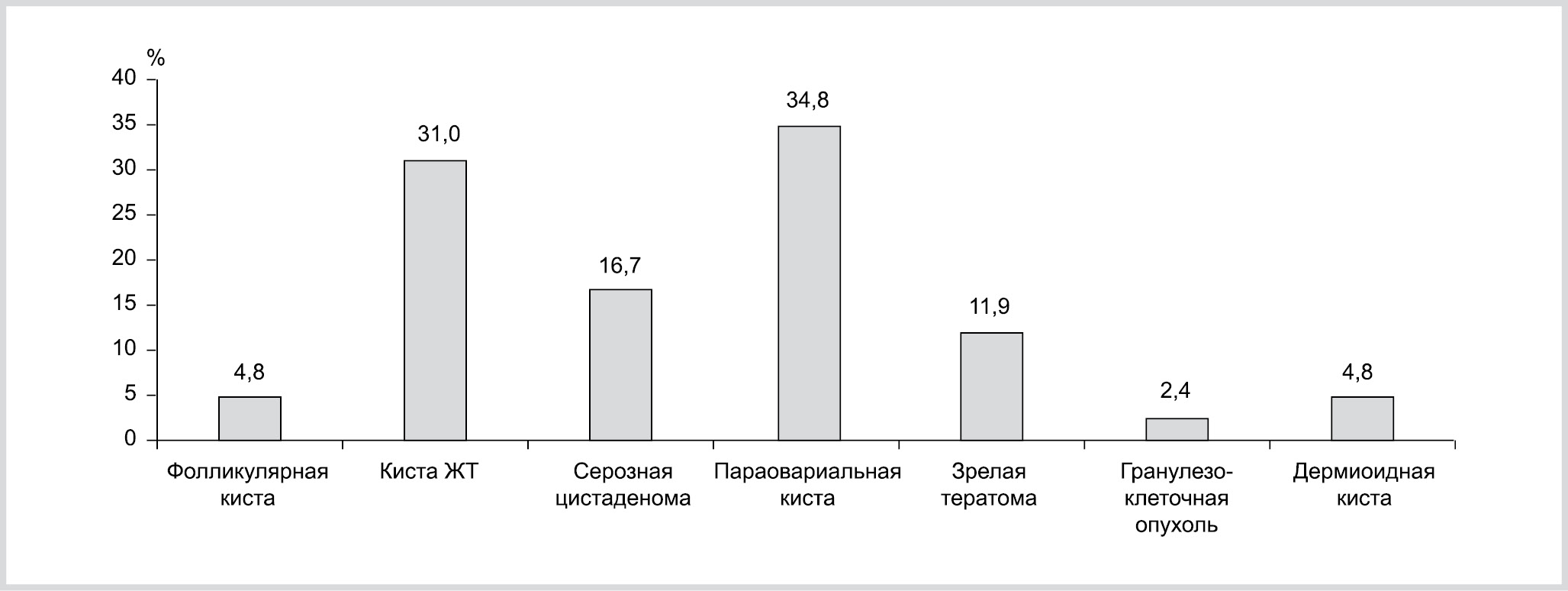
Рис. 5. Характеристика кист (по результатам гистологического исследования).
ЖТ — желтое тело.
Таким образом, чаще всего встречались функциональные образования и параовариальные кисты. С учетом возраста у девочек 0—1 мес (2) диагностирован некроз яичниковой ткани (100%); 0,1—1 год (6) — некроз яичника у 5 (83,3%); 1—3 года (4) — некроз во всех случаях; 3—7 лет (8) — некроз яичника у 5 (62,5%), гранулезоклеточная опухоль — у 1 (12,5%); 7—11 лет (19) — зрелая тератома у 3 (15,8%), киста желтого тела (ЖТ) — в 2 (10,5%), серозная цистаденома — у 1 (5,3%), некроз яичниковой ткани — у 5 (26,3%).
У пациенток 12—18 лет (52) выявлены: киста ЖТ в 11 (21,2%) случаях, параовариальная киста в 15 (28,9%), фолликулярная киста яичника в 2 (3,8%), серозная цистаденома в 6 (11,5%), муцинозная цистаденома в 1 (1,9%), дермоидная киста в 1 (1,9%), зрелая тератома в 1 (1,9%), некроз придатка в 14 (26,9%) и некроз маточной трубы в 1 (1,9%).
Объемы оперативного вмешательства были разными (от деторсии и фиксации яичника до аднексэктомии) (рис. 6) и в определенной степени зависели от давности заболевания (рис. 7).
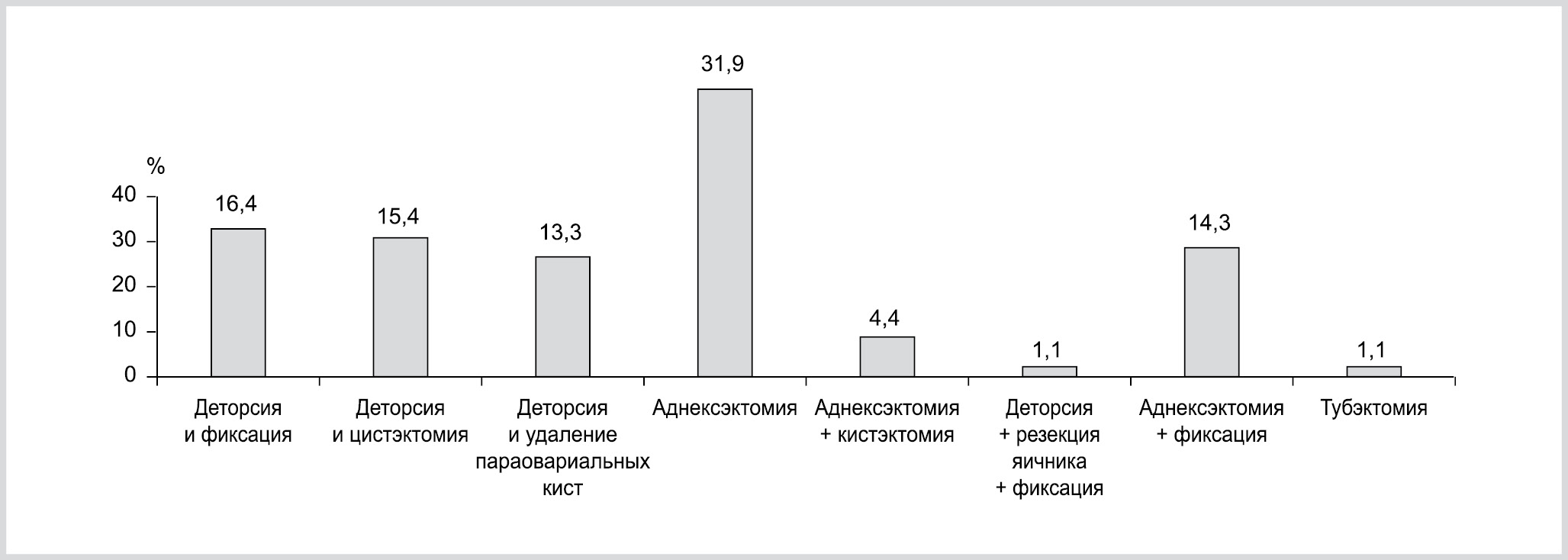
Рис. 6. Объем оперативного вмешательства.
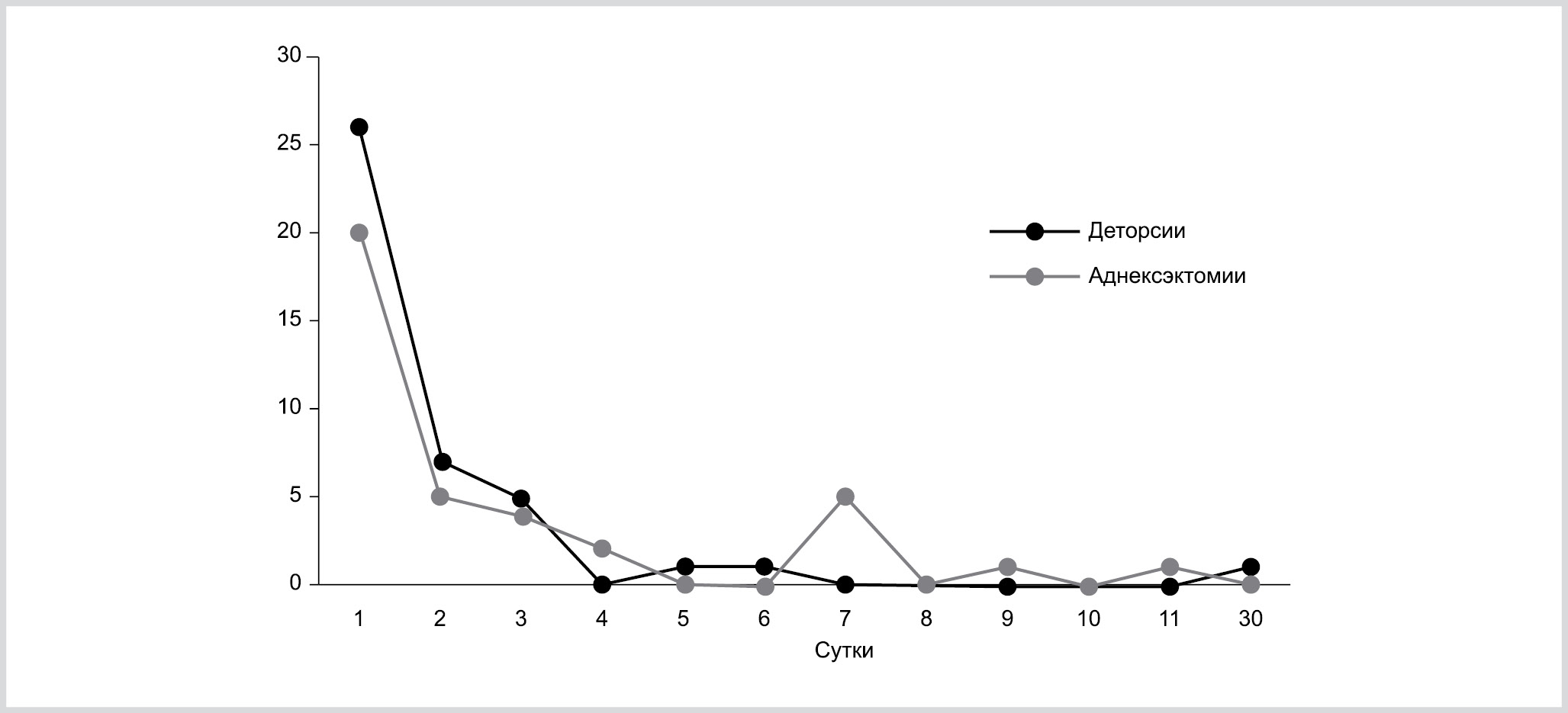
Рис. 7. Объем оперативного вмешательства в зависимости от давности заболевания.
Деторсию придатков с сохранением яичника произвели у 43 пациенток, одностороннюю аднексэктомию — у 46. Выполнили одну резекцию яичника. У 38 девочек обнаружен некроз пораженного яичника по данным гистологического исследования. Из 8 (8,8%) новорожденных девочек с ППМ только у 1 произведены деторсия и фиксация измененного яичника, остальным выполнена аднексэктомия измененного яичника. У пациенток с аднексэктомией внутрияичниковый кровоток не регистрировался в 27 случаях. В остальных случаях (18) регистрировался скудный кровоток в области увеличенного яичника.
Количество аднексэктомий по возрастам: 0—1 мес — 2 (100%); 0,1—1 год — 5 (83,3%), 1—3 года — 4 (100%); 3—7 лет — 6 (75%); 7—11 лет — 6 (31,6%); 12—18 лет — 18 (34,6%).
Из-за повторного перекрута оперированы дважды 3 пациентки. Данные представлены в табл. 2.
Таблица 2. Характеристика случаев повторного оперативного вмешательства при перекруте придатков матки
Пациентка, возраст (годы) | Объем яичника (см3) | Яичниковый кровоток | Киста | Объем оперативного вмешательства |
Пациентка Ш. | ||||
11,4 | ЛЯ 23,5 | Нет | Нет | Деторсия + фиксация |
11,5 | ЛЯ 28,1 | Нет | Нет | Деторсия + фиксация ЛП + ПП |
Пациентка С. | ||||
10,9 | ЛЯ 33,7 | Нет | Киста ЖТ | Аднексэктомия |
13 | ПЯ 31,2 | Нет | Киста ЖТ | Деторсия + фиксация |
Пациентка Э. | ||||
8,9 | ЛЯ 30,2 | Нет | Нет | Деторсия + фиксация ЛП+ПП |
9,7 | ЛЯ 37,1 | Нет | Нет | Аднексэктомия + фиксация ПП |
Примечание. ЛЯ — левый яичник; ПЯ — правый яичник; ЛП — левые придатки; ПП — правые придатки; ЖТ — желтое тело.
По результатам гистологического исследования, после аднексэктомии у пациентки С. подтвердилась киста ЖТ, у пациентки Э. выявлен некроз яичниковой ткани.
Большое значение для сохранения функции яичников имеют своевременные диагностика и оперативное лечение. В случае ППМ при обращении более чем через 4—5 сут от начала появления жалоб спасти яичник практически никогда не удается.
Наибольшее количество деторсий с сохранением овариальной ткани выполнено в 1-е сутки от момента начала заболевания — у 26 (28,6%) пациенток. Не во всех случаях наблюдалось совпадение данных кровотока при УЗИ и субъективной оценки состояния яичниковой ткани во время операции. Например, у 14 девочек с наличием яичникового кровотока проведена аднексэктомия. Вероятно, такая тактика выбрана из-за большого объема пораженного яичника или образования (кисты). Ни в одном случае выполнения деторсии или удаления придатков матки не возникли осложнения в послеоперационном периоде и не потребовалась релапароскопия.
Обсуждение
Методом визуализации первой линии при ППМ остается УЗИ органов малого таза. Сохранение функции яичников зависит от своевременной диагностики. Макроскопические характеристики придатков матки не всегда позволяют принять объективное решение об их жизнеспособности. Необходимо учитывать время от момента появления первых жалоб до оперативного вмешательства. При раннем обращении (до 4—5 сут) необходимо выбирать максимально щадящий метод лечения (деторсию).
Следует отметить необходимость прохождения девочками регулярных профилактических осмотров и включения УЗИ в обязательный перечень обследований.
Необходимо регламентировать тактику при выявлении перекрута придатков матки в детском возрасте в клинических рекомендациях, утвержденныхМинздравом России, что позволит юридически защитить врача-хирурга при выполнении деторсии, особенно в случае неубедительной интраоперационной картины. Необходим алгоритм хирургической помощи при ППМ у девочек при наличии объемного образования в малом тазу и отсутствии клиники острого живота, но с эхографическими и анамнестическими данными, косвенно указывающими на возможный перекрут. Предметом дискуссии остается тактика врача-хирурга при обнаружении функциональной кисты яичника как причины ППМ: пункция с аспирацией содержимого, оофоропексия или сочетание этих методов либо ограничение объема операции деторсией придатков с последующим динамическим ультразвуковым и клиническим наблюдением в послеоперационном периоде. Необходимо продолжить обсуждение тактики периоперационного ведения пациенток с данной патологией (доза и длительность применения антикоагулянтов, антибактериальной терапии), определения частоты и сроков эхографического контроля. Актуальной остается разработка алгоритма оценки жизнеспособности придатков матки после деторсии и определения сроков выполнения релапароскопии при отсутствии кровотока в раскрученных придатках.
Заключение
Время, прошедшее с момента появления боли, играет решающую роль в диагностике некроза яичников. У пациенток с ранним выявлением перекрута яичников прогноз может быть лучше при консервативном хирургическом вмешательстве. Данные об эффективности оофоропексии в предотвращении повторного перекрута яичников противоречивы. Необходимо выработать тактику ведения пациенток с перекрутом придатков матки в детском возрасте с целью максимального сохранения репродуктивного потенциала молодежи.
Участие авторов:
Концепция и дизайн исследования — Адамян Л.В., Сибирская Е.В.
Сбор и обработка материала — Денисенко М.В., Короткова С.А., Моксякова Е.Г.
Статистический анализ данных — Денисенко М.В., Короткова С.А., Моксякова Е.Г.
Написание текста — Денисенко М.В.
Редактирование — Адамян Л.В., Сибирская Е.В., Короткова С.А., Моксякова Е.Г.
Авторы заявляют об отсутствии конфликта интересов.
- Адамян Л.В., Сибирская Е. В., Короткова С.А., Галкина Я.А., Осипова Г.Т., Тургунова Г.М., Пивазян Л.Г. Перекрут матки в гинекологии детей и подростков (редчайший случай в клинической практике). Проблемы репродукции. 2021;27(2):84-89. https://doi.org/10.17116/repro20212702184
- Адамян Л.В., Сибирская Е.В., Шарков С.М., Файзулин А.К., Вечернина А.В. Особенности диагностики перекрута придатков матки у девочки 15 лет. Детская хирургия. 2019;23(3):154-156. https://doi.org//10.18821/1560-9510-2019-23-3-154-156
- Сибирская Е.В., Адамян Л.В., Яцык С.П., Гераськина С.Г. Абдоминальный болевой синдром у девочек при опухолях и опухолевидных образованиях придатков матки. Российский педиатрический журнал. 2015;18(3):54-59.
- Сибирская Е.В., Адамян Л.В., Яцык С.П., Гераськина С.Г. Боли в животе у девочек, связанные с гинекологической патологией. Ошибки диагностики и лечения. Педиатрическая фармакология. 2014;11(4):16-21.
- Raffaldi I, Guidi C, Di Gianni VR, Cosentino V, Personnettaz E, Brach Del Prever A. An Insidious Cause of Abdominal Pain in a Preschooler Girl: The Asynchronous Bilateral Ovarian Torsion. Pediatric Emergency Care. 2022;38(1):e61-e62. https://doi.org/10.1097/PEC.0000000000002598
- Dasgupta R, Renaud E, Goldin AB, Baird R, Cameron DB, Arnold MA, Diefenbach KA, Gosain A, Grabowski J, Guner YS, Jancelewicz T, Kawaguchi A, Lal DR, Oyetunji TA, Ricca RL, Shelton J, Somme S, Williams RF, Downard CD. Ovarian torsion in pediatric and adolescent patients: a systematic review. Journal of Pediatric Surgery. 2018;53(7):1387-1391. https://doi.org/10.1016/j.jpedsurg.2017.10.053
- Scheier E. Diagnosis and Management of Pediatric Ovarian Torsion in the Emergency Department: Current Insights. Open Access Emergency Medicine: OAEM. 2022;14:283-291. https://doi.org/10.2147/OAEM.S342725
- Valle Alonso J, Ruffino G, Hurdidge E. Abdominal pain in a young female adolescent: point-of-care ultrasound added value. Pediatric Emergency Care. 2020;36(7):355-357. https://doi.org/10.1097/PEC.0000000000001927
- Wattar B, Rimmer M, Rogozinska E, Macmillian M, Khan KS, Al Wattar BH. Accuracy of imaging modalities for adnexal torsion: a systematic review and meta-analysis. BJOG. 2021;128(1):37-44. https://doi.org/10.1111/1471-0528.16371
- Tielli A, Scala A, Alison M, Vo Chieu VD, Farkas N, Titomanlio L, Lenglart L. Ovarian torsion: diagnosis, surgery, and fertility preservation in the pediatric population. European Journal of Pediatrics. 2022;181(4):1405-1411. https://doi.org/10.1007/s00431-021-04352-0
- Артымук Н.В., Ламонова С.С., Чернова О.О. Доброкачественные новообразования яичников у девочек-подростков: классификация, особенности клинической картины, тактика. Репродуктивное здоровье детей и подростков. 2021;17(4):28-38. https://doi.org/10.33029/1816-2134-2021-17-4-28-38
- Курмачева Н.А., Басова Т.А., Черненков Ю.В., Андреева А.Н., Терентьева А.В., Уразова П.А., Цыплакова П.А. Состояние репродуктивного здоровья и репродуктивные установки современных девочек-подростков (на примере Саратовской области). Репродуктивное здоровье детей и подростков. 2023;19(1):5-13. https://doi.org/10.33029/1816-2134-2023-19-1-5-13
- Падруль М.М., Кляусова Е.Г., Махмудова С.Э. Характеристика репродуктивного здоровья девочек-подростков г. Перми согласно официальным статистическим данным. Репродуктивное здоровье детей и подростков. 2021;17(2):15-23. https://doi.org/10.33029/1816-2134-2021-17-2-15-23
- Хащенко Е.П., Уварова Е.В., Шешко П.Л., Клейменова М.Н., Кюрдзиди С.О., Сальникова И.А., Чупрынин В.Д., Мамедова Ф.Ш., Асатурова А.В. Особенности диагностики, клинической картины и тактики ведения пациенток с перекрутом придатков матки в подростковом возрасте. Акушерство и гинекология. 2022;5:91-100. https://doi.org/10.18565/aig.2022.5.91-100
- Ваганов П.Д., Яновская Э.Ю., Манджиева Э.Т. Периоды детского возраста. Лекции. Российский медицинский журнал. 2018; 24(4):185-190. https://doi.org/10.18821/0869-2106-2018-24-4-185-190


Рекомендуем статьи по данной теме:
Эндометриоидная аденокарцинома эндометрия IA стадии, ассоциированная с беременностью: возможности отсрочки лечения (клиническое наблюдение и обзор литературы).Онкология. Журнал им. П.А. Герцена. 2026;15(4):76-81