О взаимосвязи торсионных и осевых деформаций нижних конечностей
Журнал: Оперативная хирургия и клиническая анатомия (Пироговский научный журнал). 2025;9(2):5-12.
DOI: 10.17116/operhirurg202590215
Прочитано: 1122 раза
Резюме
ОБОСНОВАНИЕ
Осевые деформации нижних конечностей с вершиной деформации на уровне метаэпифизов голени и внешний вид конечностей при таких деформациях могут быть обусловлены различными факторами, такими как угол антеторсии и антеверсии бедра, торсия голени, угол разгибания в коленных суставах и положение стоп, выраженность мышц и подкожной жировой клетчатки.
ЦЕЛЬ ИССЛЕДОВАНИЯ
Выявление анатомических взаимосвязей торсионных и осевых деформаций нижних конечностей и их влияние на внешний вид конечностей.
МАТЕРИАЛ И МЕТОДЫ
Клиническим материалом настоящего исследования послужила группа из 105 пациентов — мужчин и женщин в возрасте от 16 до 59 лет, которым хронологически последним выполнены операции (с 2021 по 2024 г.) в многолетнем опыте коррекции осевых деформаций области проксимального метаэпифиза обеих голеней более чем у 980 пациентов.
РЕЗУЛЬТАТЫ
Продемонстрировано, что внешний вид нижних конечностей зависит от множества факторов, и при коррекции осевых деформаций конечностей необходимо учитывать, что как варусная, так и вальгусная деформации нижних конечностей на уровне коленных суставов редко бывают изолированными в одной плоскости, а чаще всего представляют собой многоплоскостные анатомо-функциональные изменения, вовлекающие всю нижнюю конечность от тазобедренного сустава до стопы. Важным фактором, влияющим на внешний вид нижних конечностей, является (помимо формы костей) распределение мягких тканей, в первую очередь мышц и подкожной жировой клетчатки.
ЗАКЛЮЧЕНИЕ
В качестве выводов важно отметить, что при коррекции таких деформаций требуется комплексный подход, учитывающий многоплоскостные изменения всей нижней конечности. При этом необходимо учитывать не только анатомические особенности костей и суставов, но и распределение мягких тканей, таких как мышцы и подкожная жировая клетчатка.
Ключевые слова
- торсионные и осевые деформации
- ортопедическая косметология
Дата поступления: 31.01.2025
Дата принятия в печать: 20.02.2025
Дата публикации: 23.06.2025
Введение
Около трех десятилетий назад появилось новое направление ортопедии и эстетической хирургии — ортопедическая косметология [1]. В современной травматологии и ортопедии с большой детализацией изучены все основные типы деформаций скелета и принципы их устранения [2—4]. Однако влияние деформаций и результатов их устранения на внешний вид конечностей продолжает быть актуальной проблемой. Отсутствие единой принятой терминологии и методологии в данной области приводит к спорам и дискуссиям в научном сообществе [5—7].
Одной из наиболее часто встречающихся эстетических проблем скелета является варусная деформация нижних конечностей с вершиной на уровне проксимального метаэпифиза голеней. Изучение рентгенологических данных пациентов выявило наличие дисплазии коленных суставов у большинства из них. При этом даже при малых осевых искривлениях в большинстве случаев в коленных суставах выявляются анатомические изменения, соответствующие диспластическому процессу, рядом авторов идентифицируемому как диспластический варусный синдром [8].
Длительное время ортопеды, занимающиеся вопросами коррекции малых осевых деформаций коленного сустава, акцентировали внимание на деформации главным образом во фронтальной, реже в сагиттальной плоскостях [1, 9]. Вместе с тем часто осевой деформации нижних конечностей сопутствует торсионная деформация бедра и/или голени. Диагностике и лечению торсионных деформаций в последнее время уделяется достаточно активное внимание [10, 11]. Ряд авторов сообщают о выполнении коррекции торсионной деформации наряду с варусной [5, 12].
Некоторые авторы в русскоязычном научном сообществе для обозначения торсионных деформаций используют термин «ротация» [12], что с анатомической точки зрения не совсем корректно. Под ротацией в большинстве случаев подразумевается вращение в суставе вокруг продольной оси, а поворот дистального отдела кости относительно проксимального называется торсией [13—15].
Ряд авторов называют устранение торсионного компонента деформации «ротацией» или «деротацией», что, по нашему мнению, не совсем корректно. В классической русскоязычной ортопедической литературе операцию по устранению торсионной деформации кости называют деторсионной остеотомией [13]. Тем не менее вопрос терминологии мы считаем открытым.
Совокупность указанных противоречий и разночтений послужила поводом для представления настоящего исследования.
Цель исследования — выявление анатомических взаимосвязей торсионных и осевых деформаций нижних конечностей и их влияние на внешний вид конечностей.
Материал и методы
Клиническим материалом настоящего исследования послужила группа из 105 пациентов — мужчин и женщин в возрасте от 16 до 59 лет, ставших хронологически последними (с 2021 по 2024 гг.) в многолетнем опыте коррекции осевых деформаций области проксимального метаэпифиза обеих голеней более чем у 980 пациентов (табл. 1).
Таблица 1. Гендерно-возрастное распределение пациентов
Пол | Возраст, лет | Всего | ||
16—17 (юные) | 18—44 (молодые) | 45—59 (средний возраст) | ||
Мужчины | — | 5 | 5 | 10 |
Женщины | 13 | 71 | 11 | 95 |
Итого | 13 | 76 | 16 | 105 |
Оценку внешнего вида нижних конечностей проводили в положении пациента стоя с разогнутыми коленными суставами. При этом степень варусной деформации зависела от положения стоп (вместе или с разведенными носками).
Для стандартизации фиксации контуров нижних конечностей была разработана и применена ротационная платформа (находится в процессе патентной регистрации), состоящая из основания и закрепленных на нем двух вращающихся дисков с разметкой в градусах. Пациента устанавливали на платформу таким образом, чтобы стопы стояли на вращающихся дисках в нейтральном положении. При этом измеряли расстояние между внутренними контурами нижних конечностей на границе средней и нижней третей бедер, на уровне коленных суставов (мыщелков бедренных костей), на уровне бугристостей большеберцовых костей, наиболее выступающих участков в области голеней, голеностопных суставов и стоп. Затем пациент выполнял наружную и внутреннюю ротацию нижних конечностей до максимально возможных значений. При этом также проводили измерение внутренних расстояний на тех же уровнях, что и в нейтральном положении с шагом ротации 10—15°. Для стандартизации измерений нижние конечности виртуально сводили до контакта лодыжек.
Те же измерения возможно проводить в цифровом виде по фотографиям или отснятому видеоматериалу.
Для оценки влияния анатомических особенностей нижних конечностей на их внутренние и наружные контуры нами изучены данные магнитно-резонансной томографии (МРТ) нижних конечностей на границе средней и нижней третей бедер, на уровне мыщелков бедренных костей, бугристостей большеберцовых костей, наиболее выступающих участков в области голеней (как правило, на границе верхней и средней трети), голеностопных суставов. Исследование у всех пациентов было выполнено на приборе SIMENS Magnetom Avanto, поле 1,5 Т. По результатам анализа срезов на разных уровнях сделаны суждения о влиянии тех или иных анатомических особенностей, в том числе торсионного статуса конечности на эстетику конечности.
В работе использованы современные статистические принципы математического анализа медико-биологических исследований. Статистическую обработку полученных данных проводили общепринятыми инструментами с использованием пакета программ Microsoft Office Excel 2010, Statistica 10.0.
Работа проводилась в соответствии с заключениями локального этического комитета Волгоградского государственного медицинского университета (протокол № 2020/08 от 10.02.2020).
Результаты
При оценке степени восприятия варусной деформации в зависимости от ротационной установки ее в тазобедренном суставе замечено, что расстояние между внутренними контурами коленных суставов при этом изменяется. Причем при ротации нижних конечностей наружу (разведение носков) это расстояние, как правило, уменьшается. Это обусловлено тем, что ротация бедра при этом происходит вокруг оси, проходящей через головку бедренной кости и не совпадающей с ее осью. Кроме того, нога имеет не цилиндрическую, а сложную форму, что можно увидеть как на топографических распилах, так и срезах компьютерных томограмм. Однако форма ноги в положении лежа и стоя несколько отличается из-за воздействия гравитации на мягкие ткани. Поэтому для оценки внешнего вида важно учитывать форму конечности в положении стоя. Иллюстрация измерения расстояния между внутренними контурами нижних конечностей при различных углах ротации в тазобедренных суставах представлена на рис. 1.
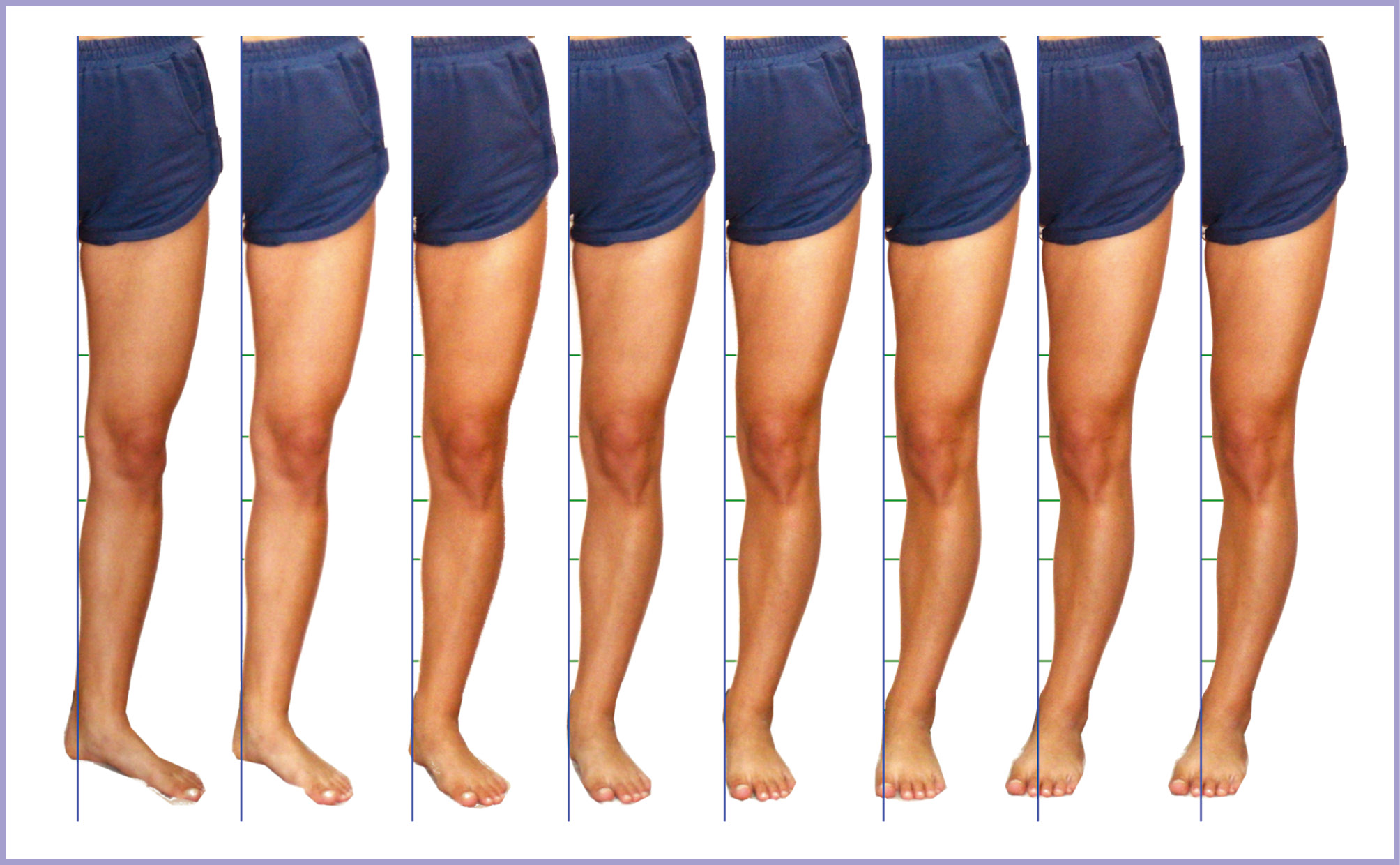
Рис. 1. Измерение расстояния между внутренними контурами нижних конечностей при различных углах ротации в тазобедренных суставах.
При анализе полученных данных выявлена стойкая положительная зависимость расстояния между внутренними контурами на уровне коленных суставов и голеней с углом ротации внутрь. Расстояние между внутренними краями бедер при повороте внутрь не увеличивается либо уменьшается. Примеры измерений приведены на рис. 2.
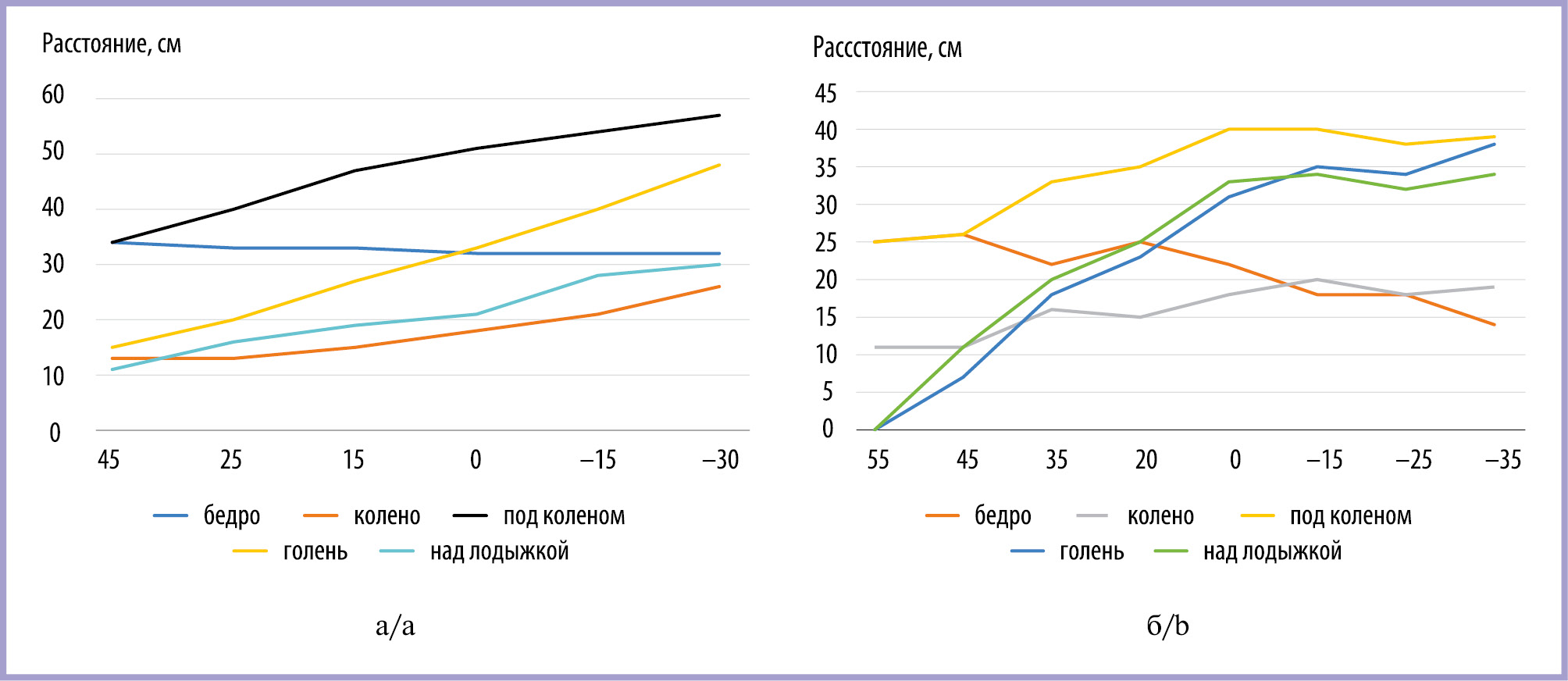
Рис. 2. Расстояние между внутренними контурами нижних конечностей в зависимости от угла ротации в тазобедренных суставах.
а — пример 1; б — пример 2.
При оценке влияния анатомо-морфологических особенностей нижних конечностей на эстетику по результатам МРТ выявлено, что на границе средней и нижней третей внутренние контуры бедер формируются за счет мышц vastus medialis m. quadriceps femoris, m. sartorius, m. semimembranosus, m. semitendinosus, m. gracilis, медиальной головки m. biceps femoris, а также за счет подкожной клетчатки. При наружной ротации внутренний контур формируют, как правило, менее объемные m. sartorius, m. semimembranosus, m. semitendinosus, m. gracilis, медиальной головки m. biceps femoris, чем может быть обусловлено увеличение расстояния между контурами конечностей в этой зоне. При внутренней ротации кнутри разворачивается более объемная мышца m. quadriceps femoris, что может приводить к уменьшению расстояния. Конечно, весьма вариабельная толщина подкожной клетчатки может оказывать значительное влияние на расстояние между бедрами. Ось ротации бедра не совпадает с продольной осью бедренной кости, поэтому в крайних положениях как внутренней, так и наружной ротации за счет эксцентричного вращения кость может приближаться к средней линии и тем самым уменьшать расстояние между бедрами в данном месте (рис. 3, а).
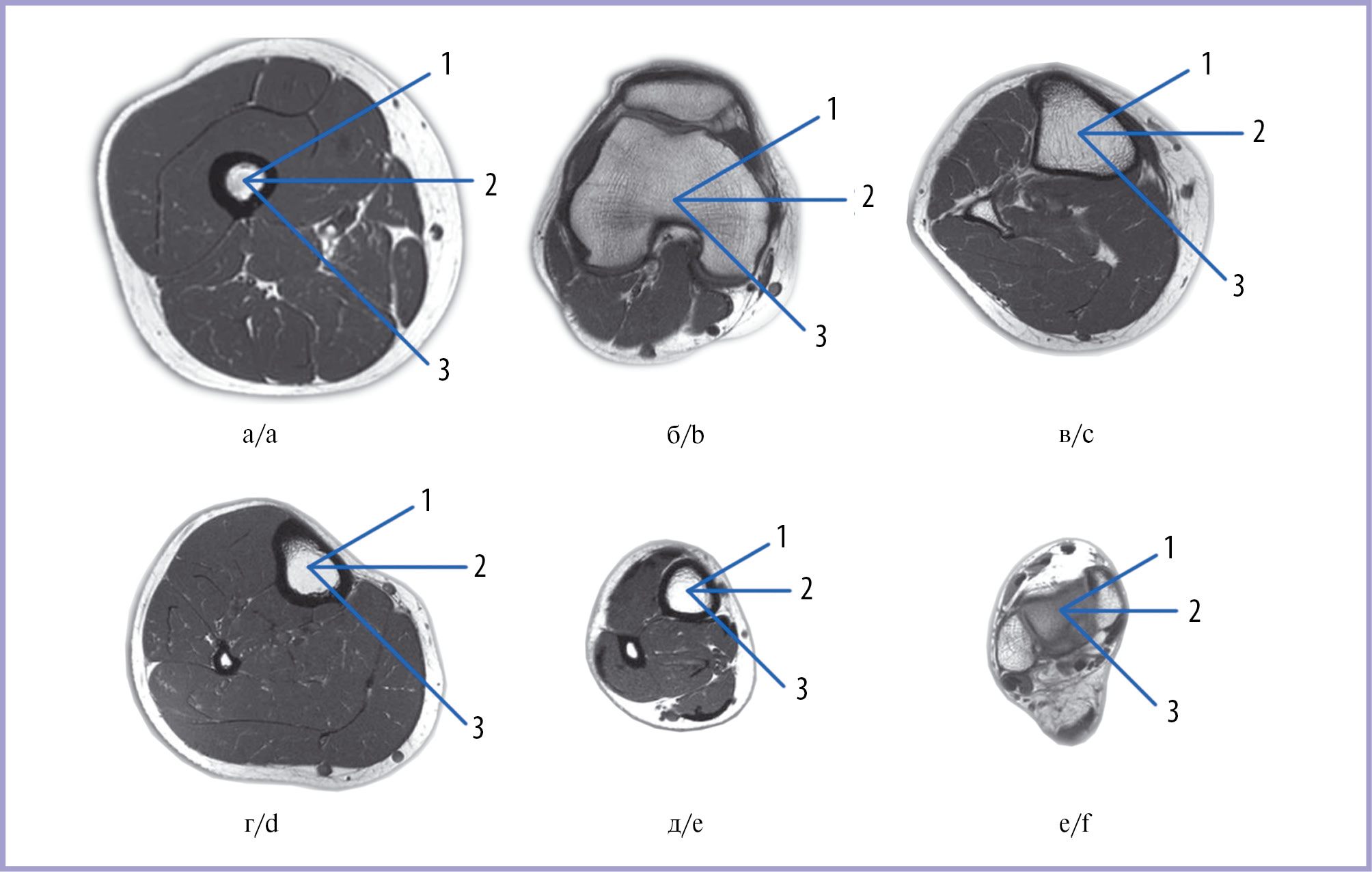
Рис. 3. Слои, образующие внутренние контуры нижних конечностей по данным магнитно-резонансной томографии.
а — на границе средней и нижней третей бедер; б — на уровне мыщелков бедренных костей; в — на уровне бугристостей большеберцовых костей; г — на границе верхней и средней трети голени; д — на уровне нижней трети голени; е — на уровне голеностопного сустава. 1 — при внутренней ротации; 2 — в нейтральном положении; 3 — при наружной ротации.
На уровне коленных суставов внутренние контуры формируются по большей части за счет внутренних мыщелков бедренных костей, m. sartorius, слоя подкожной клетчатки. Мыщелки бедренной кости имеют форму трапеции с широким основанием сзади и узкой вершиной спереди. При наружной ротации мыщелки разворачиваются кнутри своей более широкой частью, что уменьшает расстояние между ногами на этом уровне. Кроме того, у заднего края внутреннего мыщелка находится m. sartorius, которая визуально увеличивает объем внутренних мыщелков и при наружной ротации уменьшает расстояние между коленными суставами. В этом месте также локализуется выраженный слой подкожной жировой клетчатки — «жировые ловушки», оказывающие большое влияние на линию бедра на внутренней поверхности коленного сустава. При внутренней ротации внутренние мыщелки поворачиваются кнутри более узкой своей частью. В результате происходит увеличение расстояния между контурами ног на этом уровне (см. рис. 3, б).
На уровне бугристостей большеберцовых костей с внутренней стороны нет слоя мышц, поэтому контур обусловлен формой большеберцовой кости, сечение которой на этом уровне напоминает треугольник. При наружной ротации расстояние уменьшается за счет того, что большеберцовая кость поворачивается медиальным краем кнутри; кроме того, расположенная сзади m. gastrocnemius выдвигается медиальнее. При внутренней ротации расстояние увеличивается за счет того, что большеберцовая кость поворачивается кнутри медиальной поверхностью, которая не покрыта мышцами, подкожный жировой слой в этом месте имеет минимальную толщину (см. рис. 3, в).
На границе верхней и средней трети толщина мышечного слоя наибольшая, за большеберцовой костью с медиальной стороны расположены m. soleus и медиальная головка m. gastrocnemius. Все остальные мышцы расположены латеральнее медиального края большеберцовой кости и вместе с малоберцовой костью формируют латеральный контур голени. При наружной ротации расстояние на этом уровне уменьшается за счет медиализации m. gastrocnemius и m. soleus. При этом латеральный контур сглаживается за счет поворота мышц латеральной группы кзади. При внутренней ротации расстояние между внутренними контурами увеличивается за счет разворота m. gastrocnemius и m. soleus кзади, а большеберцовая кость поворачивается кнутри медиальной поверхностью, которая, как и на других уровнях, не покрыта мышцами. Объем тканей, формирующий наружный контур, при этом увеличивается и преобладает визуально над объемом медиального контура (см. рис. 3, г).
На уровне голеностопных суставов и нижних третей голени внутренний контур голени формируется за счет формы большеберцовой кости в виде дуги, переходящей из диафиза во внутреннюю лодыжку. Мышцы внутренней группы на данном уровне уже переходят в сухожилия, которые расположены латеральнее медиального края большеберцовой кости. Сзади доминирует ахиллово сухожилие. Может варьировать лишь толщина подкожной клетчатки. Наружный контур формируется латеральной лодыжкой. При наружной ротации медиализируется ахиллово сухожилие — расстояние между внутренними контурами уменьшается. При этом внутренний контур сглаживается (выпрямляется). При внутренней ротации большеберцовая кость поворачивается кнутри медиальной поверхностью, и внутренний контур приобретает дугообразный вид за счет перехода кости во внутреннюю лодыжку. Расстояние при этом относительно увеличивается (см. рис. 3, д, е).
Совокупная оценка влияния различных анатомо-морфологических факторов на контуры и тем самым эстетику нижней конечности представлена в табл. 2.
Таблица 2. Факторы, влияющие на внешний вид нижних конечностей при осевых деформациях
Фактор | Варусная деформация | Вальгусная деформация |
Увеличение угла антеторсии бедра, внутренняя ротация в тазобедренном суставе | + | – |
Увеличение антеверсии бедра, наружная ротация в тазобедренном суставе | – | + |
Рекурвация коленного сустава | + (при избыточной антеторсии бедра либо внутренней ротации в тазобедренном суставе) | + (при недостаточной антеторсии либо наружной ротации в тазобедренном суставе) |
Сгибание, антекурвация коленного сустава (сгибательная контрактура) | — (при избыточной антеторсии бедра либо внутренней ротации в тазобедренном суставе) + (при наружной ротации в тазобедренном суставе) | — (при недостаточной антеторсии либо наружной ротации в тазобедренном суставе) + (при избыточной антеторсии бедра либо внутренней ротации в тазобедренном суставе) |
Латеральная нестабильность коленного сустава | + | + |
Супинация стопы | – | + |
Пронация стопы | + | – |
Варусная деформация костей голени и/или бедра | + | – |
Вальгусная деформация костей голени и/или бедра | – | + |
Примечание. «+» — визуальное увеличение деформации, «–» — визуальное уменьшение деформации.
Обсуждение
Эстетически благоприятные контуры нижних конечностей зависят от степени выраженности мышц, толщины подкожной жировой клетчатки, баланса распределения мягких тканей, образующих латеральный и медиальный контуры нижних конечностей.
Контуры коленного сустава и голени в разных проекциях различаются. При повороте внутрь внутренние мыщелки уходят кзади и расстояние между внутренними контурами увеличивается. Поворот коленных суставов внутрь происходит при увеличении угла антеторсии бедра, что часто сопутствует варусной деформации коленных суставов. При этом, как правило, наблюдается компенсаторная избыточная наружная торсия голени с разворотом стоп кнаружи. В таком случае при ходьбе с ориентацией стоп в сагиттальной плоскости сгибание коленных суставов отклонено кнутри от сагиттальной плоскости на угол наружной торсии голеней. При взаимокомпенсации торсии голеней и бедер проксимальные отделы бедер находятся в нормоверсии, при избыточной торсии голеней — в положении ретроверсии.
На внешний вид нижних конечностей также влияет угол разгибания в коленных суставах. В случае избыточного разгибания (рекурвации коленного сустава) при внутренней ротации коленного сустава (при ротации в тазобедренном суставе, как и при избыточной антеторсии бедра) усиливается варусная деформация, расстояние между коленными суставами увеличивается.
При наружной ротации в условиях переразгибания коленный сустав приближается к средней линии тела, голеностопный сустав и стопа, напротив, отдаляются от средней линии — нижняя конечность вальгируется на уровне коленного сустава.
Дефицит разгибания в коленном суставе при внутренней ротации бедра визуально вальгирует нижнюю конечность, при наружной ротации нижняя конечность, напротив, выглядит варуснее.
Таким образом, внешний вид нижних конечностей зависит от множества факторов, и при коррекции осевых деформаций конечностей необходимо учитывать, что как варусная, так и вальгусная деформации нижних конечностей на уровне коленных суставов редко бывают изолированными в одной плоскости, а чаще всего представляют собой многоплоскостные анатомо-функциональные изменения, вовлекающие всю нижнюю конечность от тазобедренного сустава до стопы. Важным фактором, влияющим на внешний вид нижних конечностей, является помимо формы костей распределение мягких тканей, в первую очередь мышц и подкожной жировой клетчатки.
Заключение
Приведенные данные позволяют понять, что осевые деформации нижних конечностей с вершиной деформации на уровне метаэпифизов голени и внешний вид конечностей при таких деформациях могут быть связаны с различными факторами, такими как угол антеторсии и антеверсии бедра, торсия голени, угол разгибания в коленных суставах и положение стоп, выраженность мышц и подкожной жировой клетчатки.
Важно отметить, что коррекция таких деформаций требует комплексного подхода, учитывающего многоплоскостные изменения всей нижней конечности. При этом необходимо учитывать не только анатомические особенности костей и суставов, но и распределение мягких тканей, таких как мышцы и подкожная жировая клетчатка.
Учитывая сложность анатомических взаимоотношений, разнообразие подходов к диагностике и лечению торсионных и осевых деформаций нижних конечностей, считаем важным дальнейшее проведение исследований и разработок в данной области.
Участие авторов:
Концепция и дизайн исследования — Баринов А.С., Воробьев А.А.
Сбор и обработка материала — Баринов А.С., Каплунов О.А.
Написание текста — Баринов А.С., Каплунов О.А., Каплунов К.О., Баринова Е.А.
Редактирование — Баринов А.С., Воробьев А.А., Каплунов О.А., Каплунов К.О., Баринова Е.А.
Participation of authors:
Concept and design of the study — Barinov A.S., Vorob’ev A.A.
Data collection and processing — Barinov A.S., Kaplunov O.A.
Text writing — Barinov A.S., Kaplunov O.A., Kaplunov K.O., Barinova E.A.
Editing — Barinov A.S., Vorob’ev A.A., Kaplunov O.A., Kaplunov K.O., Barinova E.A.
Авторы заявляют об отсутствии конфликта интересов.
- Егоров М.Ф., Чернов А.П., Некрасов М.С. Ортопедическая косметология. Москва: Федоров, 2000.
- Paley D, Tetsworth K. Mechanical axis deviation of the lower limbs. Preoperative planning of uniapical angular deformities of the tibia or femur. Clin Orthopae Related Res. 1992;7(280):48-64.
- Coppa V, Marinelli M, Procaccini R, Falcioni D, Farinelli L, Gigante A. Coronal plane deformity around the knee in the skeletally immature population: A review of principles of evaluation and treatment. World J Orthoped. 2022;13(5):427-443. https://doi.org/10.5312/wjo.v13.i5.427
- Грин С.А., Соломин Л.Н. История и становление субспециальности травматологии и ортопедии «Удлинение и реконструкции конечностей». Травматология и ортопедия России. 2024;30(3):5-11. https://doi.org/10.17816/2311-2905-17544
- Артемьев А.А., Брижань Л.К., Давыдов Д.В. и др. Место эстетической хирургии нижних конечностей в современной ортопедии. Гений Ортопедии. 2021;27(1):59-67.
- Кулеш П.Н., Соломин Л.Н. Комментарий к статье «Место эстетической хирургии нижних конечностей в современной ортопедии», Гений Ортопедии. 2021;27(5):584-586. https://doi.org/10.18019/1028-4427-2021-27-5-584-586
- Кулеш П.Н., Соломин Л.Н. Изменения взаимоотношений референтных линий при коррекции формы ног в соответствии с желаниями пациента. Гений Ортопедии. 2021;27(3):390-397. https://doi.org/10.18019/1028-4427-2021-27-3-390-397
- Баринов А.С., Воробьев А.А., Баринова Е.А. и др. Диспластический варусный синдром. Анатомия, эстетика, оперативное лечение. Оперативная хирургия и клиническая анатомия (Пироговский научный журнал). 2018;2(3):3-8. https://doi.org/10.17116/operhirurg201820313
- Каплунов О.А., Каплунов А.Г., Шевцов В.И. Косметическая коррекция формы и длины ног. М.: ГЭОТАР-Медиа; 2010.
- Paley D, Shannon C. Rotational Guided Growth: A Preliminary Study of Its Use in Children. Children (Basel). 2022;10(1):70. https://doi.org/10.3390/children10010070
- Reif TJ, Khabyeh-Hasbani N, Shin TJ et al. Correction of Tetratorsional Malalignment of the Lower Extremities Improves Patient-Reported Outcomes. HSS Journal. 2024;20(4):522-529. https://doi.org/10.1177/15563316231183443
- Багиров А.Б., Лаймуна К.А., Шестерня Н.А. и др. Эффективность модифицированных компоновок аппаратов наружной фиксации при устранении варусной деформации голеней. Политравма. 2021; 2:50-59
- Маркс В.О. Ортопедическая диагностика: рук. для врачей. Минск: Наука и техника, 1978.
- Капанджи А.И. Нижняя конечность. Функциональная анатомия: пер. с франц. 7-е изд., перераб. и доп. Т. 2. А.И. Капанджи. М.: Эксмо, 2022.
- Гафаров Х.З. Биомеханика торсионного развития берцовых костей и костей стопы у детей. Практическая медицина. 2012; 82(64):37-40.



Рекомендуем статьи по данной теме:
Профессор Виктор Николаевич Звягин. К 85-летию со дня рождения.Судебно-медицинская экспертиза. 2026;69(5):67-70
Профессор Виктор Ильич Прозоровский. К 125-летию со дня рождения.Судебно-медицинская экспертиза. 2026;69(5):65-66
Алевтина Михайловна Орлова. К 80-летию со дня рождения.Судебно-медицинская экспертиза. 2026;69(5):63-64
Профессиональная подготовка специалистов в области судебно-химической и химико-токсикологической экспертизы: ключевые аспекты.Судебно-медицинская экспертиза. 2026;69(5):56-62
К вопросу о судебно-медицинском значении трупной имбибиции вокруг подкожных вен в случаях смерти от общего переохлаждения.Судебно-медицинская экспертиза. 2026;69(5):49-55
Роль магнитно-резонансной томографии в диагностике диффузного аксонального повреждения.Судебно-медицинская экспертиза. 2026;69(5):42-48
Анатомические варианты, аномалии и другие неметрические характеристики скелета при судебно-медицинской экспертизе костных останков (случаи из практики).Судебно-медицинская экспертиза. 2026;69(5):38-41
Сравнительная характеристика огнестрельных повреждений, произведенных с разного расстояния самоснаряженными и фабрично изготовленными патронами 12-го калибра при выстрелах из ружья МЦ 21-12.Судебно-медицинская экспертиза. 2026;69(5):32-37
Электронно-микроскопическая характеристика повреждений волос, причиненных предметами различной остроты.Судебно-медицинская экспертиза. 2026;69(5):28-31
О возможности установления видовой принадлежности пятен слюны методом количественного иммуноферментного анализа.Судебно-медицинская экспертиза. 2026;69(5):24-27