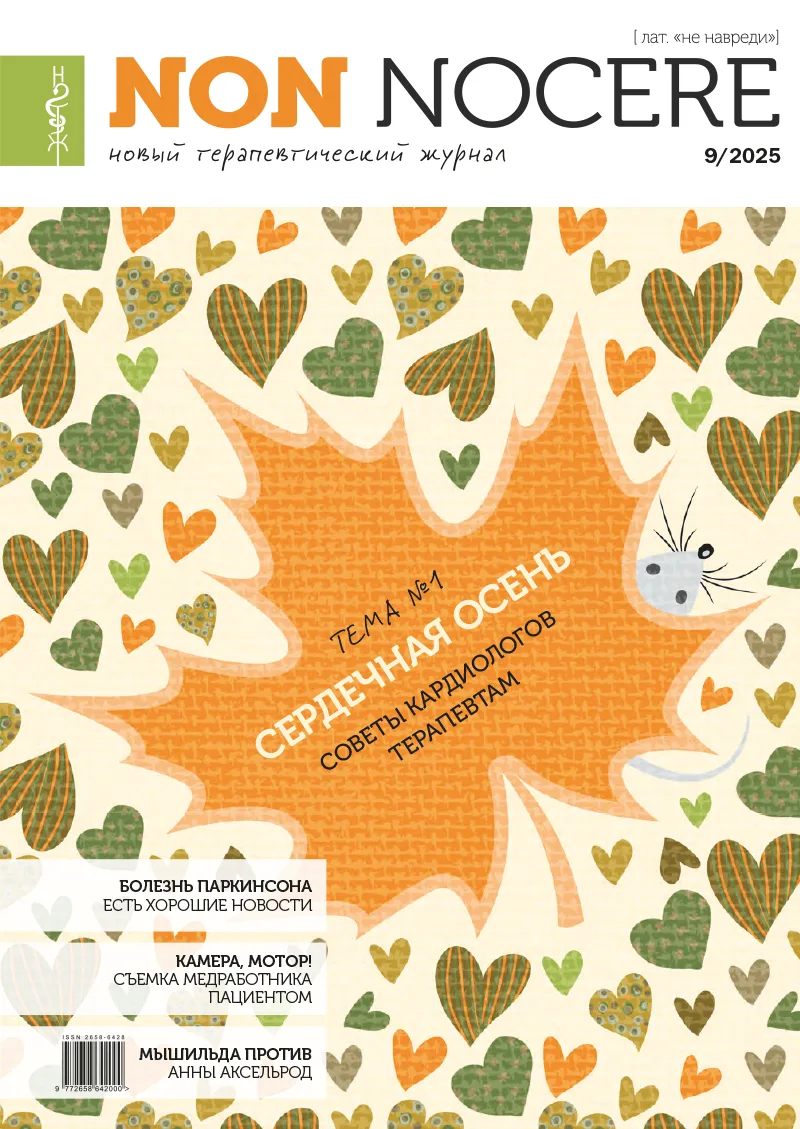

Мы решили посвятить этот номер кардиологической тематике. Будут и сложные пациенты, и алгоритмы для врачей-практиков, и обсуждение кардиопатий. Но красной нитью сквозь журнал пройдет тема атеросклероза. Оглянемся назад. История начинается еще в Древнем Египте: в папирусе Эберса описаны «окаменелые сосуды», вероятно, первые наблюдения кальцифицированных аорт. С тех времен прошло более трех тысяч лет, но сам интерес к природе сосудистого старения не угас ни на день.
В XIX веке Рудольф Вирхов рассматривал атеросклероз как воспалительный процесс, тогда как Карл Рокитанский считал его результатом организации тромбов. Их спор стал отправной точкой научного осмысления болезни. В начале XX века Николай Аничков, проводя свои классические опыты с холестерином у кроликов, показал его решающую роль в формировании бляшки – пусть примитивно, но прозорливо. В дальнейшем Фредриксон предложил классификацию гиперлипопротеинемий, а работы Майкла Брауна и Джозефа Гольдштейна открыли роль рецепторов к ЛПНП, доказав генетическую природу некоторых форм гиперхолестеринемии.
С этого момента атеросклероз стал рассматриваться как многофакторный, системный процесс, где переплетаются не только метаболизм и наследственность. Современная концепция видит в атеросклерозе хроническое воспаление сосудистой стенки, где липидные нарушения – лишь одна из граней. Терапия теперь направлена не только на снижение уровня холестерина, но и на ключевые элементы воспалительного и генетического каскада – от цитокинов до инфламмасом.
От «каменных аорт» древних египтян до молекулярных вмешательств XXI века – это история поиска, сомнений и открытий, приближающих нас к пониманию того, как живут и стареют сосуды.
Приятного чтения!
Профессор И.В. Егоров