Взгляд студентов и ординаторов, обучающихся в университете, на программы поддержки молодых специалистов в сфере здравоохранения
Журнал: Медицинские технологии. Оценка и выбор. 2025;47(3):34-46.
DOI: 10.17116/medtech20254703134
Прочитано: 921 раз
Резюме
ЦЕЛЬ ИССЛЕДОВАНИЯ
Изучить мнение студентов выпускного курса и врачей-ординаторов Ставропольского государственного медицинского университета о программах поддержки молодых специалистов в сфере здравоохранения.
МАТЕРИАЛ И МЕТОДЫ
В 2024 г. проведено социологическое исследование с участием 488 студентов 6-го курса лечебного и педиатрического факультетов и 854 врачей-ординаторов ФГБОУ ВО СтГМУ Минздрава России с использованием специально разработанной анкеты. Описательная статистика результатов социологического опроса представлена относительными показателями. Для описания количественных данных использовались средние арифметические и стандартные отклонения.
РЕЗУЛЬТАТЫ
Основными причинами выбора сферы своей профессиональной деятельности студенты и врачи-ординаторы считают призвание (54,7%) и престиж врачебной профессии (44,6%), мотивируя этот выбор возможностью помогать людям (71,2%). При этом врачи-ординаторы в большей степени, по сравнению со студентами, ориентированы на возможность профессионального и карьерного роста (51,6%). По окончании обучения в университете большинство (76,6%) студентов планируют продолжить обучение в ординатуре, а большинство (73,8%) врачей-ординаторов после окончания ординатуры намерены работать в практическом здравоохранении. При этом врачи-ординаторы свою профессиональную траекторию оценивают, в первую очередь, с позиции профессионального роста и развития (81,4%), придавая большое значение возможностям применения новых технологий в диагностике и лечении пациентов (61,9%) и стремятся стать специалистами узкого профиля (59,7%). После окончания обучения планируют работать в государственных медицинских организациях г. Ставрополя 36,1% студентов и 34,3% врачей-ординаторов. Главным мотивом выбора населенного пункта для будущей работы большинство респондентов (88,3% врачей-ординаторов и 44,1% студентов) считают высокий уровень развития инфраструктуры (p<0,001). Проявили интерес к возможности переезда в сельскую местность после окончания обучения 27,0% студентов и 26,1% врачей-ординаторов. Наиболее часто в качестве мотива переезда респонденты указывали возможности получения опыта самостоятельной работы (58,3%), работать там, где проживают родственники (53,2%), благоприятные экологические условия в сельской местности (43,1%). Главными причинами, препятствующими переезду, респонденты считают неразвитую инфраструктуру (66,6%), недостаточное материально-техническое оснащение (61,9%), отсутствие приспособленности к сельской жизни (48,3%). Из трудностей, препятствующих работе в сельской местности, на первые ранговые места респонденты поставили отсутствие современных методов диагностики и лечения, недостаточное развитие инфраструктуры и ограниченную возможность профессионального общения.
ЗАКЛЮЧЕНИЕ
Для реализации эффективной кадровой политики на региональном уровне необходимо проведение комплекса мероприятий по привлечению молодых специалистов в районы, испытывающие потребность в медицинских кадрах (увеличение целевого набора абитуриентов, проведение мониторинга выбора места работы выпускниками, создание механизмов финансового стимулирования и др.).
Ключевые слова
- кадровая политика
- дефицит медицинских кадров
- выбор профессии врача
- целевая подготовка врачей
- выбора места работы выпускниками
- возможности профессионального роста
- преимущества для молодых врачей
- поддержка молодых специалистов
Дата поступления: 09.06.2025
Дата принятия в печать: 09.07.2025
Дата публикации: 09.09.2025
Введение
Эффективное функционирование системы здравоохранения невозможно представить без анализа актуальных проблем кадровой политики и поиска путей их решения. В последние десятилетия Всемирная организация здравоохранения (ВОЗ) констатирует глобальный характер дефицита медицинских кадров, особенно в сельских и отдаленных районах, который влияет на здоровье населения [1]. В настоящее время с проблемой острой нехватки кадровых ресурсов медицинских работников сталкиваются более 50 стран мира [2, 3]. Средний уровень данного показателя обеспеченности в странах Европейского союза — около 37 на 10 тыс. населения [4]. К 2030 г. прогнозируется глобальная нехватка около 10 млн работников здравоохранения [5].
Наряду с финансовым стимулированием в зарубежных странах присутствуют программы обеспечения сельских районов медицинскими кадрами, предусматривающие поддержку профессионального развития, набор студентов из сельских районов, прием на работу выпускников из-за рубежа и др. [6—8].
Российская Федерация относится к числу стран с высоким уровнем обеспеченности врачами (50,4 на 10 тыс. населения), занимая по этому показателю третье место в мире после Греции и Австрии [9]. Однако при этом отмечаются диспропорции в обеспеченности медицинским персоналом между отдельными регионами и внутри регионов.
В связи с наличием дефицита медицинских кадров, прежде всего в сельской местности, особенно важную роль приобретает целевая подготовка врачей в образовательных учреждениях высшего медицинского образования. По оценкам исследователей, данное направление является эффективным механизмом закрепления молодых специалистов в медицинских организациях сельской местности в процессе работы по контракту, заключаемому с выпускником по окончании целевой подготовки [10, 11]. При этом наличие в договоре на целевое обучение положений о сроках обязательного последующего трудоустройства, о мерах материальной поддержки молодого специалиста позволит лучше реализовывать задачи комплектования кадров в районах, испытывающих наибольший дефицит медицинского персонала [12—14].
При реализации кадровой политики в системе здравоохранения необходимо изучать проблемы кадрового обеспечения субъектов Российской Федерации с учетом социальных, территориальных, экономических и демографических особенностей конкретных регионов, а также показателей заболеваемости населения данных регионов и других факторов [15].
Основными элементами эффективной кадровой политики на региональном уровне должны быть: 1) создание механизмов финансового стимулирования с целью привлечения специалистов в районы, где есть потребность в медицинских кадрах; 2) увеличение целевого набора в образовательные организации студентов из регионов с кадровым дефицитом; 3) мониторинг и регулирование выбора места работы выпускников образовательных учреждений высшего медицинского образования; 4) совершенствование организации процесса оказания медицинских услуг, улучшение условий труда врачей в районах с недостаточным уровнем обеспеченности кадрами, использование современных информационных технологий.
В связи с этим необходимо проведение современных научных исследований с целью разработки организационных механизмов обеспечения всех субъектов Российской Федерации медицинскими кадрами с использованием потенциала региональных образовательных организаций высшего медицинского образования.
Приоритетным направлением должно быть изучение потребностей территорий, подготовка медицинских кадров «под заказ». При этом повышается роль работодателя, который должен принимать участие в прогнозировании потребности в кадрах (подготовка и обеспечение кадрами на ближайшие 5 лет, последующее обновление) в зависимости от потребностей конкретных территорий. Большое внимание необходимо уделять повышению роли университетов в регионах, активному взаимодействию специалистов в области высшего медицинского образования, науки и практического здравоохранения. Изучение мнения обучающихся о программах поддержки молодых специалистов в сфере здравоохранения позволит проанализировать планируемую ими траекторию профессионального развития и разработать комплекс мероприятий по привлечению врачей в районы, испытывающие потребность в медицинских кадрах.
Цель исследования — изучить мнение студентов выпускного курса и врачей-ординаторов Ставропольского государственного медицинского университета о программах поддержки молодых специалистов в сфере здравоохранения.
Материал и методы
В 2024 г. проведено социологическое исследование с участием 488 студентов 6-го курса лечебного и педиатрического факультетов и 854 врачей-ординаторов (далее — ординаторы) ФГБОУ ВО СтГМУ Минздрава России по специально разработанной анкете.
Средний возраст участников исследования составил 24,4±4,6 года (студентов — 22,9±1,8 года, ординаторов — 25,3±5,4 года, p<0,001). В группе респондентов преобладали женщины — 990 (73,8%). Доля мужчин среди ординаторов была выше, чем среди студентов 6-го курса — 266 (31,1%) и 86 (17,6%) соответственно (p<0,001). Отличительными особенностями группы ординаторов, ввиду более старшего возраста, была более высокая доля находящихся в браке — 258 (30,2%) по сравнению с 81 (16,6%) среди студентов, а также большая частота наличия детей у ординаторов — у 122 (14,3%) и у 17 (3,5%) студентов (p<0,001).
Большинство студентов обучались по целевому направлению — 197 (40,4%) и на бюджетной основе — 172 (35,2%). На платной основе обучались 119 (24,4%) студентов. Ординаторы обучались в основном на платной основе 449 (52,6%), по целевому направлению — 219 (40,4%), на бюджетной основе — 186 (24,4%). Распределение студентов и ординаторов по всем формам обучения различалось статистически значимо (p<0,001).
И студенты (32,8%), и ординаторы (29,6%) указали, что доход на одного члена семьи преимущественно составляет 10—19 тыс. рублей. При этом наибольший уровень дохода, заложенный в анкету (30 тыс. рублей и более), чаще указывали ординаторы — 25,6% по сравнению с 15,4% студентов (p<0,001).
Часть вопросов анкеты содержала варианты ответа, и в отдельном блоке вопросов предполагалась балльная оценка респондентами предложенных вариантов ответов по пятибалльной системе.
Результаты социологического опроса представлены относительными показателями, рассчитанными на 100 респондентов и выраженными в процентах. Для описания количественных данных использовались средние арифметические и стандартные отклонения. Для межгрупповых сравнений категориальных признаков использовался критерий χ2 Пирсона. Для сравнения количественных признаков применялись в зависимости от распределения переменных непараметрический критерий Манна—Уитни и t-критерий Стьюдента. Уровнем статистической значимости считали p<0,05.
Результаты
Наиболее частым вариантом ответа на вопрос о причине выбора профессии врача и у студентов, и у ординаторов был выбор профессии по призванию (табл. 1). При этом ординаторы чаще (p<0,001) выбрали такой вариант ответа (59,5% по сравнению с 46,3% студентов). Второй по значимости причиной данного выбора стала убежденность в престижности профессии врача (согласно мнению 45,5% студентов и 44,0% ординаторов). Среди студентов более распространенным являлся выбор специальности по совету родственников или друзей — 21,3% по сравнению с 15,7% (p=0,010). Ординаторы чаще (15,7 и 9,4% студентов, p=0,001) указывали, что они являются продолжателями семейных традиций.
Таблица 1. Распределение ответов обучающихся об основных причинах выбора профессии врача, n (%)
Почему Вы выбрали профессию врача? | Студенты | Ординаторы | Всего | p |
По призванию | 226 (46,3) | 508 (59,5) | 794 (54,7) | <0,001 |
Престиж профессии | 222 (45,5) | 376 (44,0) | 598 (44,6) | 0,604 |
По совету родственников (друзей) | 104 (21,3) | 134 (15,7) | 238 (17,7) | 0,010 |
Семейная традиция | 46 (9,4) | 134 (15,7) | 180 (13,4) | 0,001 |
Не смог поступить в другое высшее учебное заведение | 11 (2,3) | 29 (3,4) | 40 (3,0) | 0,237 |
Далее респондентам было предложено указать основные мотивы выбора врачебной специальности (табл. 2). В качестве наиболее частого мотива выбора профессии врача студенты и ординаторы отметили возможность помогать людям (71,2% от общего количества респондентов). Ординаторы по сравнению со студентами чаще выбирали ответы о помощи людям (75,2 и 64,3%, p<0,001), об интересе к работе, в том числе научно-исследовательской (47,9 и 41,2%, p=0,018), о возможности профессионального и карьерного роста в рамках специальности (51,6 и 43,4%, p=0,004). Около 40% студентов и столько же ординаторов отметили в качестве личного мотива высокую социальную значимость профессии врача.
Таблица 2. Распределение ответов обучающихся о мотивах выбора профессии врача, n (%)
Что более всего Вас привлекает в выбранной профессии | Студенты | Ординаторы | Всего | p |
Возможность помогать людям | 314 (64,3) | 642 (75,2) | 956 (71,2) | <0,001 |
Высокая социальная значимость | 206 (42,2) | 346 (40,5) | 552 (41,1) | 0,543 |
Интересная работа, в т.ч. научно-исследовательская | 201 (41,2) | 409 (47,9) | 610 (45,5) | 0,018 |
Возможность профессионального и карьерного роста | 212 (43,4) | 441 (51,6) | 653 (48,7) | 0,004 |
Возможность участия в программах государственной поддержки | — | 84 (9,8) | 84 (9,8) | — |
Большинство студентов — 374 (76,6%) ответили, что по окончании обучения в университете планируют продолжить обучение в ординатуре (рис. 1). Однако только 81 (16,6%) студент планирует работать в практическом здравоохранении, 11 (2,3%) студентов хотели бы поступить в аспирантуру. Среди студентов 6-го курса 2,7% не определились с продолжением своей карьеры, 1,8% указали на вероятную переподготовку в рамках другой профессии.
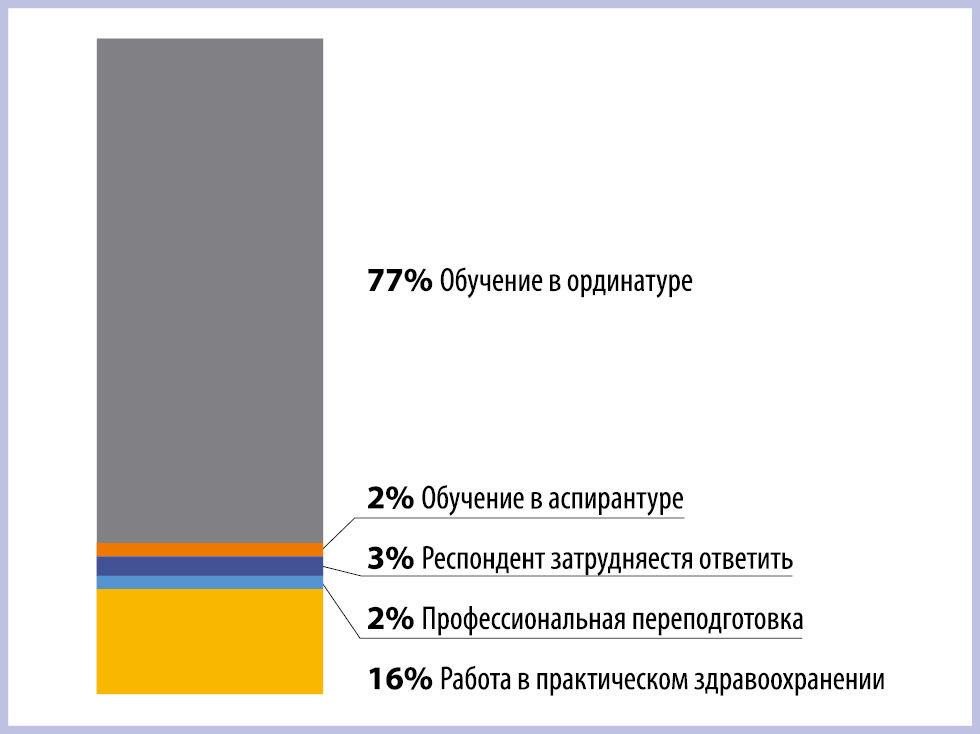
Рис. 1. Распределение ответов студентов о карьерных планах после завершения обучения в университете (%).
Большинство ординаторов — 630 (73,8%) планируют работать в практическом здравоохранении (рис. 2). Продолжать обучение в аспирантуре или пройти переподготовку в рамках другой медицинской специальности намерены 11% ординаторов. Около 4% ординаторов собираются работать в клиниках ФГБОУ ВО СтГМУ Минздрава России.
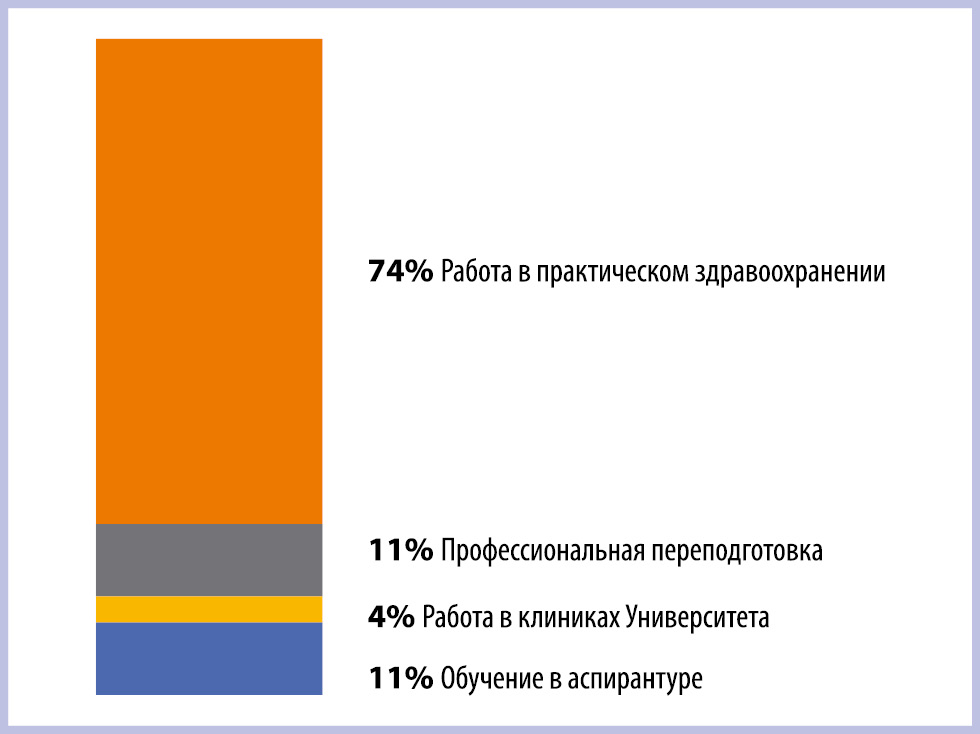
Рис. 2. Распределение ответов ординаторов о карьерных планах после завершения обучения в ординатуре (%).
Ординаторам предложено выбрать наиболее привлекательные для них черты профессиональной траектории и работы по специальности. На первое по значимости место ординаторы поставили возможности профессионального роста и развития (81,4%), на второе — материальную стабильность и защищенность (52,0%). Около 30% ординаторов в качестве важного фактора выбора своей профессиональной траектории назвали карьерные перспективы. Реже других факторов ординаторы отмечали возможность заниматься научной деятельностью (18,5%).
По мнению большинства (61,9%) ординаторов, одной из наиболее привлекательных черт работы по выбранной специальности является возможность применения новых технологий в диагностике и лечении. Так, 59,7% ординаторов ответили, что они хотели бы стать специалистами узкого профиля. Только 19,2% ординаторов планируют работать специалистами широкого профиля. Ординаторы несколько чаще выбирали возможность научно-исследовательской деятельности по сравнению с высокой заработной платой и льготами (28,3% по сравнению с 25,9%).
Большинство студентов (55,9%) и ординаторов (55,7%) параллельно с обучением в университете работали в медицинских организациях. При этом ординаторы работали преимущественно на врачебных должностях (врач-стоматолог, участковый врач-терапевт и врач общей практики). Только 28 (3,3%) ординаторов указали, что они работали в качестве среднего медицинского персонала. Около 30% ординаторов ответили, что они не работали.
Все студенты, указавшие трудовую деятельность в медицинских организациях, работали в качестве среднего медицинского персонала. Работу вне системы здравоохранения указали 10,2% студентов и 7,3% ординаторов. В подразделениях университета работали 2,5% ординаторов и 1,2% студентов.
На вопрос о необходимости помощи центра по трудоустройству при поиске работы положительно ответили 19,3% студентов и 24,5% ординаторов. Однако при этом большинство ординаторов (75,5%) не определились с ответом на данный вопрос. Студенты давали в основном отрицательный ответ относительно помощи в трудоустройстве (77,7%).
Студенты чаще, чем ординаторы, указывали, что после окончания обучения они хотели бы работать в стационаре — 43,4% по сравнению с 36,4% (p<0,001) (табл. 3). Ординаторы чаще (39,0%) по сравнению со студентами (27,5%) в качестве будущего места работы делали выбор в пользу частных медицинских организаций (p<0,001).
Таблица 3. Распределение ответов респондентов о планах на дальнейшую работу, n (%)
Вариант ответа | Студенты | Ординаторы | Всего | p |
В какой медицинской организации Вы хотели бы работать? | ||||
Больница | 212 (43,4) | 311 (36,4)* | 523 (39,0) | <0,001 |
Поликлиника | 222 (45,5) | 376 (44,0) | 598 (44,6) | |
Врачебная амбулатория, центр общей врачебной практики (семейной медицины) | 104 (21,3) | 134 (15,7) | 238 (17,7) | |
Станция скорой медицинской помощи | 11 (2,3) | 29 (3,4) | 40 (4,0) | |
Консультативно-диагностический центр | 35 (7,2) | 58 (6,8) | 93 (6,9) | |
Частная медицинская организация | 134 (27,5) | 333 (39,0)* | 467 (34,8) | |
Где Вы планируете работать после окончания обучения? | ||||
В государственных медицинских организациях г. Ставрополя | 176 (36,1) | 293 (34,3) | 469 (34,9) | <0,001 |
В государственных медицинских организациях Ставропольского края | 118 (24,2) | 164 (19,2)* | 282 (21,0) | |
В частных медицинских организациях | 88 (18,0) | 299 (35,0)* | 387 (28,8) | |
В медицинских организациях за пределами Ставропольского края | 71 (14,5) | 91 (10,7)* | 162 (12,1) | |
Не планирую работать в здравоохранении | 35 (7,2) | 7 (0,8)* | 42 (3,1) | |
Примечание. * — статистически значимые различия (p<0,05).
На вопрос о планах на дальнейшую трудовую деятельность 35,0% ординаторов ответили, что они предполагают работать в частных медицинских организациях, 18,0% студентов дали такой же ответ (p<0,001). Планируют после окончания обучения работать в государственных медицинских организациях г. Ставрополя 36,1% студентов. При этом и студенты, и ординаторы отдавали предпочтение городским медицинским организациям Ставрополя, а не аналогичным организациями Ставропольского края (суммарно 34,9% по сравнению с 21,0% респондентов).
Студенты по сравнению с ординаторами чаще делали выбор в пользу медицинских организаций Ставропольского края (24,2% по сравнению с 19,2% ординаторов). Студенты чаще, чем ординаторы, отвечали в анкете, что они планируют работать в медицинских организациях за пределами Ставропольского края (14,5 и 10,7% соответственно). Проявили интерес к возможности переезда в сельскую местность после окончания обучения 132 (27,0%) студента и 223 (26,1%) ординатора.
Из основных факторов выбора населенного пункта для будущей работы ординаторы и студенты чаще всего выбирали высокий уровень развития инфраструктуры, при этом ординаторы выбирали этот вариант в подавляющем большинстве случаев — 88,3% по сравнению с 44,1% студентов (p<0,001) (табл. 4).
Таблица 4. Распределение ответов обучающихся об основных мотивах выбора населенного пункта для места будущей работы, n (%)
Чем Вы руководствуетесь при выборе населенного пункта для места Вашей будущей работы? | Студенты | Ординаторы | Всего | p |
Высоким уровнем развития инфраструктуры района | 230 (44,1) | 754 (88,3) | 984 (73,3) | <0,001 |
Возможностью жить и работать там, где родился | 160 (32,8) | 324 (37,9) | 484 (36,1) | 0,059 |
Близостью расположения к областному центру | 182 (37,3) | 291 (34,1) | 473 (35,2) | 0,235 |
Благоприятными экологическими условиями района | 144 (29,5) | 269 (31,5) | 413 (30,8) | 0,447 |
Высоким уровнем привлекательности центральной районной больницы | 94 (19,3) | 119 (13,9) | 213 (15,9) | 0,010 |
На втором месте среди ответов студентов об основных мотивах выбора населенного пункта была близость расположения к областному центру (37,3%), среди ответов ординаторов — возможность жить и работать в месте своего рождения (37,9%). Наименее популярным вариантом ответа был уровень привлекательности центральной районной больницы, однако студенты выбирали этот вариант ответа чаще по сравнению с ординаторами (p=0,010).
В табл. 5 представлены ответы респондентов на вопрос о необходимых, по их мнению, материальных преимуществах для молодого врача. В числе приоритетных вариантов ответов всех респондентов были льготное ипотечное кредитование (42,0%), компенсация расходов жилищно-коммунального хозяйства (41,0%) и предоставление земельного участка (40,5%). Обращает на себя внимание, что студенты чаще указывали вариант о компенсации расходов жилищно-коммунальной сферы (47,7% по сравнению с 37,1% ординаторов, p<0,001).
Таблица 5. Распределение ответов респондентов о необходимых материальных преимуществах для молодого врача, n (%)
Материальные преимущества | Студенты | Ординаторы | Всего | p |
Льготное ипотечное кредитование | 213 (43,6) | 351 (41,1) | 564 (42,0) | 0,363 |
Компенсация расходов жилищно-коммунального хозяйства | 233 (47,7) | 317 (37,1) | 550 (41,0) | <0,001 |
Предоставление земельного участка | 207 (42,2) | 336 (39,3) | 543 (40,5) | 0,270 |
Компенсация аренды жилья | 187 (38,3) | 305 (35,7) | 492 (36,7) | 0,341 |
Предоставление мест детям медицинских работников в дошкольных образовательных учреждениях | 200 (41,0) | 286 (33,5) | 486 (36,2) | 0,006 |
Служебное жилье | 147 (30,1) | 252 (29,5) | 399 (29,7) | 0,813 |
Приватизация служебной жилой площади | 127 (26,0) | 148 (17,3) | 275 (20,5) | <0,001 |
Жилое помещение по договору социального найма | 46 (9,4) | 76 (8,9) | 122 (9,1) | 0,747 |
Общежитие | 14 (2,9) | 31 (3,6) | 45 (3,4) | 0,456 |
Второй по значимости группой мер по материальной поддержке молодых специалистов респонденты считали компенсацию аренды жилья (36,7%), предоставление мест детям медицинских работников в дошкольных образовательных учреждениях (36,2%), предоставление служебного жилья (29,7%). По мнению 26,0% студентов, важным является приватизация служебной жилой площади (по сравнению с 17,3% ординаторов) (p<0,001). Наименее популярными среди ответов респондентов были такие меры, как предоставление жилого помещения по договору социального найма (9,1%) и предоставление места в общежитии (3,4%).
На вопрос об уровне дохода, необходимом для решения о переезде на работу в сельскую местность, затруднились ответить 35,5% ординаторов и 40,8% студентов. Из остальных наиболее популярным вариантом ответа был уровень дохода 100—150 тыс. рублей (26,7% ординаторов и 22,3% студентов) (рис. 3). Ординаторы чаще по сравнению со студентами указывали на необходимую сумму дохода более 150 тыс. рублей — 16,2 и 10,5% соответственно (p<0,001). В то же время 11,1% студентов отметили, что им достаточно 70—100 тыс. рублей (по сравнению с 6,7% ординаторов).
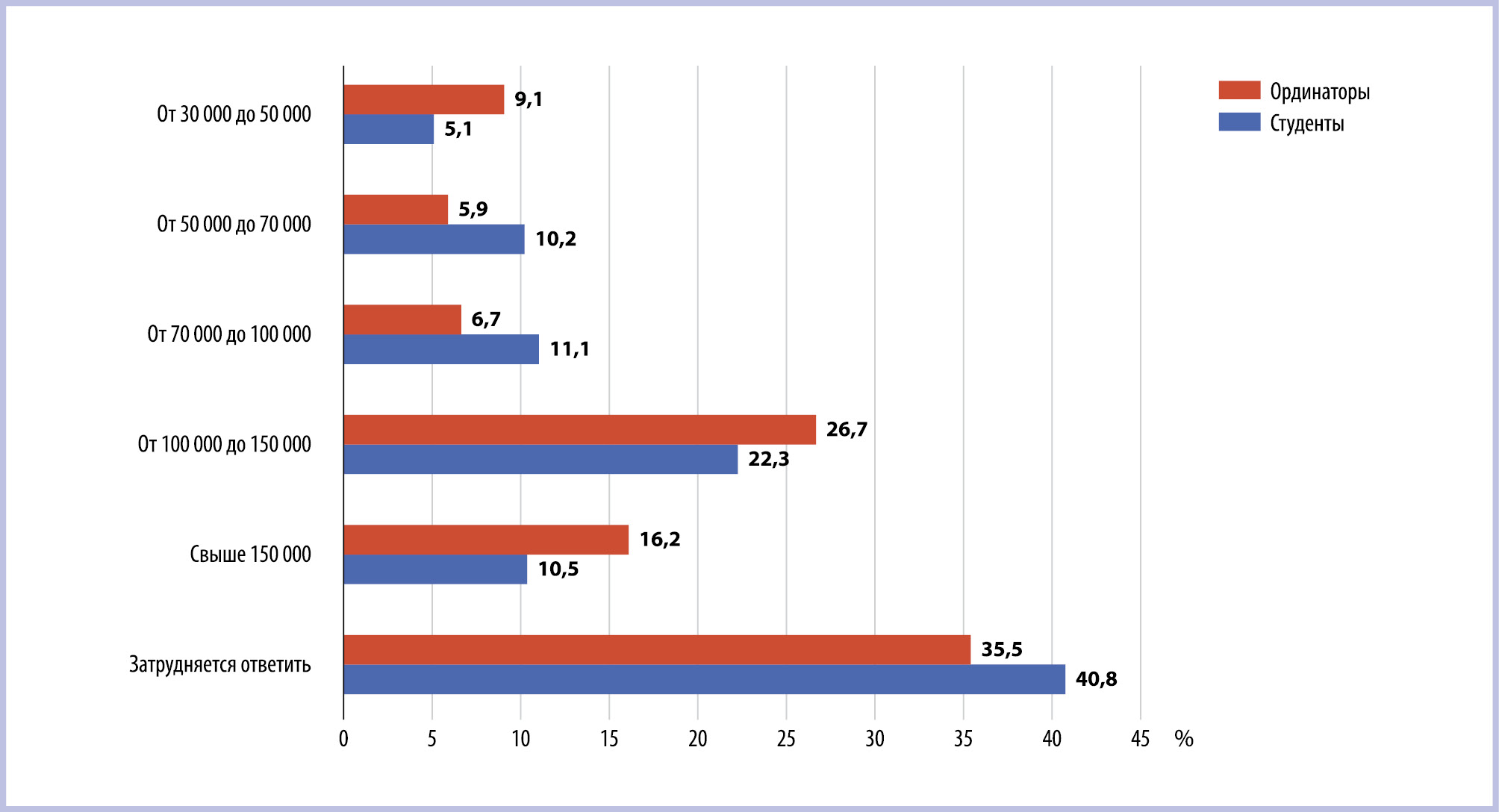
Рис. 3. Распределение ответов респондентов на вопрос «Какой уровень ежемесячного дохода на одного члена семьи мог бы способствовать Вашему решению связать свою профессиональную деятельность с работой в сельской местности?» (на 100 респондентов).
Респондентам был задан вопрос о мотивах возможного переезда в сельскую местность после окончания обучения (или о причинах отказа от данного переезда). Статистически значимых различий в ответах студентов и ординаторов не было (табл. 6).
Таблица 6. Распределение ответов респондентов об основных мотивах переезда на работу в сельскую местность и причинах отказа от переезда, n (%)
Вариант ответа | Студенты | Ординаторы | Всего | p |
Мотивы для переезда в сельскую местность (n=355) | ||||
Опыт самостоятельной работы | 69 (52,3) | 138 (61,9) | 207 (58,3) | 0,076 |
Возможность работать там, где родился (проживают родственники) | 79 (59,8) | 110 (49,3) | 189 (53,2) | 0,055 |
Более благоприятные экологические условия | 54 (40,9) | 99 (44,4) | 153 (43,1) | 0,597 |
Возможность ведения собственного хозяйства | 30 (22,7) | 41 (18,3) | 71 (20,0) | 0,395 |
Причины отказа от переезда в сельскую местность (n=987) | ||||
Не развита инфраструктура | 233 (65,4) | 424 (67,2) | 657 (66,6) | 0,577 |
Недостаточное материально- техническое оснащение | 218 (61,2) | 393 (62,3) | 611 (61,9) | 0,746 |
Отсутствие приспособленности к сельской жизни | 175 (49,2) | 302 (47,9) | 477 (48,3) | 0,666 |
Отсутствие возможности дополнительного заработка | 129 (36,2) | 222 (35,2) | 351 (35,6) | 0,740 |
Наиболее часто в качестве мотива переезда в сельскую местность респонденты указывали возможность получения опыта самостоятельной работы (58,3%), при этом ординаторы отмечали данную причину чаще студентов — 61,9 и 52,3% соответственно (p=0,076). На втором месте был мотив, связанный с возможностью работать там, где проживают родственники (53,2%). Третьим важным мотивом переезда респонденты указали более благоприятные экологические условия (43,1%).
В определении основных причин отказа от переезда в сельскую местность студенты и ординаторы были практически единодушны. Главной причиной, препятствующей переезду, респонденты считают неразвитую инфраструктуру (66,6%), 61,9% респондентов указали в качестве причины неготовности к переезду в сельскую местность недостаточное материально-техническое оснащение. Далее, в порядке убывания по частоте выбора респонденты указывали отсутствие приспособленности к сельской жизни (48,3%) и отсутствие возможности дополнительного заработка (35,2%).
Респондентам было предложено оценить положительные стороны и недостатки работы в государственных медицинских организациях с их точки зрения. Поскольку ординаторы имели больший опыт взаимодействия с данными организациями, в ответах получены статистически значимые различия. В целом ординаторы оценивают положительные стороны государственных медицинских организаций более высоко по сравнению со студентами.
Ординаторы наиболее высоко оценили наличие ежегодного оплачиваемого отпуска (3,94±1,34 балла), в то время как студенты самую высокую оценку дали возможности повышения квалификации за счет средств работодателя (3,80±1,45 балла). Третье и четвертое ранговое место, по мнению студентов, разделили устойчивость организации в кризисный период и стабильная заработная плата, в то время как ординаторы более высоко оценили устойчивое положение государственной медицинской организации (табл. 7). Наиболее низкую оценку респонденты дали социальной защищенности сотрудников (от 3,12±1,51 балла, по мнению студентов, до 3,48±1,42 балла, по мнению ординаторов).
Таблица 7. Распределение ответов респондентов о положительных сторонах работы в государственных медицинских организациях, баллы
Чем привлекает Вас работа в государственных медицинских организациях? | Студенты | Ординаторы | p | ||
M±SD | Ранг | M±SD | Ранг | ||
Повышение квалификации за счет средств работодателя | 3,80±1,45 | 1 | 3,92±1,37 | 2 | 0,132 |
Ежегодный оплачиваемый отпуск | 3,59±1,45 | 2 | 3,94±1,34 | 1 | <0,001 |
Устойчивость организации в кризисные периоды | 3,39±1,46 | 3—4 | 3,74±1,34 | 3 | <0,001 |
Стабильная заработная плата | 3,39±1,45 | 3—4 | 3,63±1,36 | 4 | 0,004 |
Социальная защищенность | 3,12±1,51 | 5 | 3,48±1,42 | 5 | <0,001 |
Ординаторы дали более высокую оценку положительных сторон работы в государственных медицинских организациях, чем студенты, по всем пунктам, кроме повышения квалификации.
Из недостатков работы в государственных медицинских организациях респонденты на первое место поставили недостаточный уровень заработной платы, при этом студенты оценивали это выше (4,11±1,29 балла), чем ординаторы (3,95±1,35 балла), p=0,046 (табл. 8). На второе ранговое место респонденты поставили недостаточное материально-техническое оснащение (средняя оценка у студентов — 3,85±1,29 балла, у ординаторов — 3,78±1,36 балла). Третье ранговое место занял ответ об ограничении деятельности врача установленными стандартами (по оценке студентов — 3,81±1,32 балла, ординаторов — 3,78±1,36 балла). Недостаточность социальной поддержки со стороны государственных медицинских организаций студенты оценили выше ординаторов (3,66±1,34 балла по сравнению с 3,49±1,42 балла), p=0,037.
Таблица 8. Распределение ответов респондентов о недостатках работы в государственных медицинских организациях, баллы
Недостатки работы в государственных медицинских организациях | Студенты | Ординаторы | p | ||
M±SD | Ранг | M±SD | Ранг | ||
Недостаточный уровень заработной платы | 4,11±1,29 | 1 | 3,95±1,35 | 1 | 0,046 |
Недостаточное материально-техническое оснащение | 3,85±1,29 | 2 | 3,78±1,36 | 2 | 0,572 |
Ограничение деятельности врача установленными стандартами | 3,81±1,32 | 3 | 3,66±1,37 | 3 | 0,060 |
Недостаточная социальная поддержка | 3,66±1,34 | 4 | 3,49±1,42 | 4 | 0,037 |
Недостаточно комфортные бытовые условия | 3,55±1,34 | 5 | 3,43±1,40 | 5 | 0,144 |
Наиболее высокую оценку среди факторов, которые могут повлиять на решение молодых специалистов работать в медицинских организациях сельской местности, получили льготы для медицинских работников в сельской местности — по средней оценке студентов — 3,64±1,57 балла, по мнению ординаторов — 3,74±1,52 балла (табл. 9). Если по мнению студентов, на втором ранговом месте находится возможность жизни в экологически благоприятной местности (3,41±1,55 балла), то ординаторы на второе место поставили возможность профессионального и карьерного роста (3,57±1,57 балла), а экологические преимущества — на третье место (3,49±1,57 балла).
Таблица 9. Распределение ответов респондентов о факторах, которые могли бы повлиять на их решение работать в медицинских организациях в сельской местности, баллы
Какие факторы могли бы привлечь Вас работать в медицинских организациях сельской местности | Студенты | Ординаторы | p | ||
M±SD | Ранг | M±SD | Ранг | ||
Льготы для медицинских работников в сельской местности | 3,64±1,57 | 1 | 3,74±1,52 | 1 | 0,359 |
Жизнь в экологически чистой местности | 3,41±1,55 | 2 | 3,49±1,57 | 3 | 0,248 |
Возможность профессионального и карьерного роста | 3,40±1,54 | 3 | 3,57±1,57 | 2 | 0,029 |
Возможность самостоятельной практической работы | 3,22±1,52 | 4 | 3,45±1,54 | 4 | 0,004 |
Самостоятельная жизнь (независимость от родителей и т.п.) | 3,06±1,59 | 5 | 3,21±1,63 | 5 | 0,087 |
Ординаторы выше, чем студенты, оценивают возможность профессионального и карьерного роста (3,57±1,57 по сравнению с 3,40±1,54, p=0,029) и возможность самостоятельной практической работы (3,45±1,54 по сравнению с 3,22±1,52, p=0,004).
Наименее значимым фактором для респондентов была возможность самостоятельной жизни в сельской местности (по мнению студентов, 3,22±1,52 балла, по мнению ординаторов, 3,21±1,63 балла).
При изучении мнения респондентов о видах социальной поддержки для привлечения молодых специалистов на работу в сельскую местность студенты дали наиболее высокую оценку возможности компенсации отдыха и лечения сотрудника и членов его семьи (3,73±1,66 балла). По мнению ординаторов, этот фактор оказался на втором ранговом месте, а приоритет отдан предоставлению земельного участка (3,86±1,54 балла) (табл. 10).
Таблица 10. Распределение ответов респондентов о видах социальной поддержки, которые могли бы привлечь их на работу в медицинские организации сельской местности, баллы
Вид социальной поддержки | Студенты | Ординаторы | p | ||
M±SD | Ранг | M±SD | Ранг | ||
Компенсация (полная или частичная) отдыха и лечения сотрудника и членов его семьи | 3,73±1,66 | 1 | 3,81±1,55 | 2 | 0,454 |
Предоставление земельного участка | 3,69±1,67 | 2 | 3,86±1,54 | 1 | 0,074 |
Компенсация оплаты услуг жилищно-коммунального хозяйства, детского сада и прочее | 3,64±1,66 | 3 | 3,72±1,56 | 3 | 0,412 |
Обеспечение автотранспортным средством | 3,62±1,66 | 4 | 3,71±1,57 | 4 | 0,274 |
Предоставление служебного жилья | 3,26±1,69 | 5 | 3,35±1,65 | 6 | 0,293 |
Возможность участия в ипотечных программах льготного кредитования | 3,22±1,72 | 6 | 3,42±1,65 | 5 | 0,030 |
Третье ранговое место по оценкам и студентов, и ординаторов заняла компенсация расходов на услуги жилищно-коммунального хозяйства, детского сада и др. Четвертое ранговое место, согласно оценке студентов и ординаторов, занимает обеспечение автотранспортным средством (3,62±1,66 и 3,71±1,57 балла соответственно). Пятое ранговое место по оценкам ординаторов принадлежит возможности участия в ипотечных программах льготного кредитования. Оценка ординаторами данного фактора была выше, чем оценка студентами (3,42±1,65 и 3,22±1,72 балла соответственно, p=0,030), по мнению которых данный фактор находился на шестом ранговом месте, после предоставления служебного жилья.
Ранговое распределение основных факторов, способствующих привлечению молодых специалистов в сельскую местность, по мнению студентов и ординаторов полностью совпало (табл. 11).
Таблица 11. Распределение ответов респондентов о мероприятиях по привлечению молодых специалистов в сельскую местность, баллы
Каким образом можно привлечь молодых специалистов в сельскую местность? | Студенты | Ординаторы | p | ||
M±SD | Ранг | M±SD | Ранг | ||
Повышать материально-техническое оснащение центральных районных больниц | 4,04±1,49 | 1 | 4,19±1,38 | 1 | 0,108 |
Обеспечивать жильем (строительство дома, квартиры) | 3,98±1,49 | 2 | 4,16±1,40 | 2 | 0,009 |
Расширять социальные гарантии (добровольное медицинское страхование, ежегодный оплачиваемый проезд к месту отдыха, досрочный выход на пенсию, полная компенсация услуг жилищно-коммунального хозяйства, сберегательный капитал) | 3,95±1,50 | 3 | 4,10±1,43 | 3 | 0,031 |
Внедрять телемедицинские технологии для совершенствования профессионального развития молодых врачей | 3,86±1,52 | 4 | 4,05±1,45 | 4 | 0,011 |
Развивать инфраструктуру сельских и отдаленных районов | 3,85±1,50 | 5 | 4,00±1,45 | 5 | 0,040 |
Наиболее значимым фактором, согласно ответам респондентов, является повышение материально-технического оснащения центральных районных больниц (по мнению студентов, 4,04±1,49 балла, по мнению ординаторов, 4,19±1,38 балла). Второе ранговое место принадлежит обеспечению молодых специалистов жильем, при этом ординаторы оценивали этот фактор выше, чем студенты (4,16±1,40 и 3,98±1,49 балла соответственно, p=0,009). На третьем ранговом месте находится расширение социальных гарантий для молодых специалистов, приезжающих работать в сельскую местность. К числу данных гарантий относятся добровольное медицинское страхование, ежегодный оплачиваемый проезд к месту отдыха, досрочный выход на пенсию, полная компенсация услуг жилищно-коммунального хозяйства, сберегательный капитал. Ординаторы оценивали данные мероприятия выше, чем студенты (4,10±1,43 и 3,95±1,50 балла соответственно, p=0,031). Четвертую и пятую ранговые позиции мероприятий по привлечению молодых специалистов для работы в сельской местности ординаторы также оценивали выше, чем студенты. Это внедрение телемедицинских технологий для совершенствования профессионального развития молодых врачей (4,05±1,45 балла и 3,86±1,52 балла соответственно, p=0,011) и развитие инфраструктуры сельских и отдаленных районов (4,00±1,45 и 3,85±1,50 балла соответственно, p=0,040).
Обсуждение
По результатам исследования можно отметить следующие положения.
Основными причинами выбора сферы профессиональной деятельности студенты и ординаторы считают призвание (54,7%) и престиж врачебной профессии (44,6%), а также возможность помогать людям (71,2%). Ординаторы, многие из которых уже имеют опыт практической деятельности, чаще (p<0,001) предпочли вариант ответа «по призванию» (59,5% по сравнению с 46,3% студентов), что свидетельствует о большей уверенности в выборе.
Ординаторы по сравнению со студентами демонстрировали более осознанное понимание своих мотивов выбора профессии врача, чаще выбирали ответы о помощи людям (75,2 и 64,3%, p<0,001), об интересе к работе, в том числе научно-исследовательской (47,9 и 41,2%, p=0,018), о возможности профессионального и карьерного роста в рамках специальности (51,6 и 43,4%, p=0,004). Около 40% студентов и столько же ординаторов отметили в качестве личного мотива высокую социальную значимость профессии врача.
Ординаторы в большей степени по сравнению со студентами нацелены на возможность профессионального и карьерного роста (51,6%). По окончании обучения в университете большинство студентов (76,6%) планируют продолжить обучение в ординатуре, а большинство ординаторов после окончания ординатуры намерены работать в практическом здравоохранении (73,8%). При этом ординаторы свою профессиональную траекторию оценивают в первую очередь с позиции профессионального роста и развития (81,4%), придавая большое значение применению новых технологий в диагностике и лечении (61,9%), и стремятся стать специалистами узкого профиля (59,7%).
После окончания обучения работать в государственных медицинских организациях г. Ставрополя планируют 36,1% студентов и 34,3% ординаторов.
На вопрос о необходимости помощи центра по трудоустройству в поиске работы положительно ответили 19,3% студентов и 24,5% ординаторов. Однако при этом большинство ординаторов (75,5%) не определились с ответом на данный вопрос. Студенты, зная, что им предстоит обучение в ординатуре, давали в основном отрицательный ответ относительно помощи в трудоустройстве, поскольку, по-видимому, считали его преждевременным (77,7%). Указанные результаты опроса свидетельствуют о значительных резервах в работе центра по трудоустройству, прежде всего в отношении информирования молодых специалистов о возможных вакансиях.
Главным мотивом выбора населенного пункта для будущей работы большинство респондентов (88,3% ординаторов и 44,1% студентов) считают высокий уровень развития инфраструктуры (p<0,001).
Студенты по сравнению с ординаторами чаще делали выбор в пользу медицинских организаций Ставропольского края (24,2 и 19,2% соответственно), что, по-видимому, объясняется большей долей обучающихся по целевому набору. Студенты чаще, по сравнению с ординаторами, отвечали в анкете, что они планируют работать в медицинских организациях за пределами Ставропольского края (14,5 и 10,7% соответственно).
Проявили интерес к возможности переезда после окончания обучения в сельскую местность 27,0% студентов и 26,1% ординаторов. Наиболее часто в качестве мотива переезда респонденты указывали возможность получения опыта самостоятельной работы (58,3%), желание работать там, где проживают родственники (53,2%), благоприятные экологические условия в сельской местности (43,1%). Главными причинами, препятствующими переезду, респонденты считают неразвитую инфраструктуру (66,6%), недостаточное материально-техническое оснащение (61,9%), отсутствие приспособленности к сельской жизни (48,3%).
Из основных факторов, которые могут повлиять на решение молодых специалистов работать в медицинских организациях сельской местности, по мнению респондентов, наиболее важными являются льготы для медицинских работников в сельской местности, возможность жизни в экологически чистой местности, перспективы профессионального и карьерного роста. При этом ординаторы, имея определенный опыт работы в медицинских организациях, по сравнению со студентами выше оценивали возможность профессионального и карьерного роста (3,57±1,57 и 3,40±1,54, p=0,029) и возможность самостоятельной практической работы (3,45±1,54 и 3,22±1,52, p=0,004).
Ранговое распределение основных факторов, способствующих привлечению молодых специалистов в сельскую местность, по мнению студентов и ординаторов полностью совпало, что свидетельствует об одинаковых приоритетах.
При ответах на вопросы о положительных сторонах и недостатках работы в государственных медицинских организациях позитивные аспекты оценены ординаторами более высоко, чем студентами.
Из недостатков работы в государственных медицинских организациях респонденты на первое место поставили недостаточный уровень заработной платы и материально-технического оснащения, ограничение деятельности врача установленными стандартами. Положительными сторонами работы в государственных медицинских организациях респонденты считают ежегодный оплачиваемый отпуск, возможность повышения квалификации за счет средств работодателя, устойчивость организации в кризисный период и стабильную заработную плату.
Различия в оценках респондентами положительных сторон и недостатков работы в государственных медицинских организациях свидетельствуют о том, что ординаторы, имеющие непосредственный практический опыт работы в данных организациях, становятся более лояльными по отношению к ним.
Наиболее часто выбираемыми вариантами ответов о материальных преференциях для молодого врача были льготное ипотечное кредитование (42,0%), компенсация расходов жилищно-коммунального хозяйства (41,0%) и предоставление земельного участка (40,5%).
Наиболее значимыми мерами поддержки молодых специалистов в сфере здравоохранения, согласно оценкам респондентов, являются повышение материально-технического оснащения медицинских организаций сельской местности, обеспечение врачей жильем, расширение социальных гарантий для молодых специалистов (добровольное медицинское страхование, ежегодный оплачиваемый проезд к месту отдыха, досрочный выход на пенсию, полная компенсация услуг жилищно-коммунального хозяйства, сберегательный капитал).
Из видов социальной поддержки для привлечения молодых специалистов на работу в медицинские организации сельской местности респонденты дали наиболее высокую оценку компенсации отдыха и лечения сотрудника и членов его семьи, предоставлению земельного участка и компенсации расходов на услуги жилищно-коммунального хозяйства, детского сада и др.
В целом ординаторы выше оценивали предлагаемые мероприятия по сравнению со студентами, что свидетельствует о более осознанном подходе к решению проблем, с которыми многим из них предстоит столкнуться в практической работе.
Проведенный авторами настоящего исследования анализ отечественных публикаций по проблемам кадрового обеспечения подтверждает необходимость учета региональных особенностей Российской Федерации для решения кадровых проблем здравоохранения. Анализ ситуации в регионе позволяет определить наиболее важные кадровые проблемы и на основе отбора предложенных кадровых практик создавать и внедрять собственные практики для выполнения стратегических задач по развитию здравоохранения [16].
Так, например, в исследовании, проведенном на территории Дальневосточного федерального округа, установлено, что желающих работать в сельской местности среди выпускников медицинских вузов по-прежнему мало (16%). Большая часть врачей-интернов рассматривали свою работу только в стационарах. Все респонденты хотели бы иметь стабильный и достаточно высокий заработок на постоянной основе, и вопрос единовременного денежного вознаграждения их практически не интересовал [17]. В Краснодарском крае рекомендовано использовать комплекс мер социальной поддержки молодых врачей: полная или частичная компенсация арендной платы, обеспечение служебным жильем, социальные выплаты на частичную оплату первоначального взноса по договору на приобретение жилья или по договору ипотечного жилищного займа, оплата жилищно-коммунальных услуг [18]. В Нижегородской области максимальных показателей привлечения молодых специалистов в медицинские организации, расположенные в сельских населенных пунктах, удалось достичь при введении в дополнение к существующим льготам единовременных компенсационных выплат медицинским работникам в возрасте до 35 лет, прибывшим на работу в сельскую местность, в размере 1 млн рублей в дополнение к обеспечению жильем и автотранспортным средством [19].
Результаты настоящего исследования и анализ данных литературы позволяют выделить следующие приоритетные направления кадровой политики:
1) обеспечение оптимального соотношения медицинских кадров, их численности, структуры и распределения, основанное на оценке потребности в них на разных территориях;
2) прогнозирование и планирование обеспечения населения медицинскими кадрами;
3) подготовку и повышение квалификации медицинских кадров;
4) повышение мотивации к труду и закреплению на рабочем месте; социальная поддержка;
5) совершенствование кадрового менеджмента внутри медицинских организаций;
6) создание условий для профессионального роста и развития сотрудников;
7) повышение престижа и привлекательности медицинской профессии, создание положительного образа медицинского работника в средствах массовой информации с целью привлечения в медицину молодежи;
8) стимулирование выпускников работать по специальности;
9) формирование баз данных медицинских работников и внедрение современных информационных технологий в деятельность медицинских организаций в рамках цифровизации здравоохранения.
Ограничения исследования
Региональные особенности Ставропольского края, обусловленный ими состав студентов (с преобладанием студентов из сельской местности), не позволяют полностью экстраполировать результаты данного исследования на все без исключения регионы Российской Федерации.
Заключение
Результаты проведенного исследования показали, что большинство студентов и ординаторов ФГБОУ ВО СтГМУ Минздрава России считают основными причинами выбора сферы своей профессиональной деятельности призвание и высокую социальную значимость профессии врача.
Наиболее важными мерами поддержки молодых специалистов в сфере здравоохранения, согласно оценкам респондентов, являются: повышение материально-технического оснащения медицинских организаций сельской местности, обеспечение врачей жильем и расширение социальных гарантий для молодых специалистов.
На основании результатов проведенного исследования установлено, что для реализации эффективной кадровой политики на региональном уровне необходимо проведение комплекса мероприятий по привлечению молодых специалистов в районы, испытывающие потребность в медицинских кадрах (увеличение целевого набора абитуриентов, проведение мониторинга выбора места работы выпускниками, создание механизмов финансового стимулирования и др.).
Авторы заявляют об отсутствии конфликта интересов.
- World Health Organization. Health workforce requirements for universal health coverage and the sustainable development goals. Geneva: World Health Organization; 2016. Accessed July 27,2025. https://iris.who.int/bitstream/handle/10665/250330/9789241511407-eng.pdf?sequence=1
- Шейман И.М., Сажина С.В. Кадровая политика в здравоохранении: как преодолеть дефицит врачей. Мир России. 2018;27(3):130-153. https://doi.org/10.17323/1811-038X-2018-27-3-130-153
- Zhang X, Lin D, Pforsich H, Lin VW. Physician workforce in the United States of America: forecasting nationwide shortages. Human Resources Health. 2020;6(18):8. https://doi.org/10.1186/s12960-020-0448-3
- World Health Organization. World health statistics 2019: Monitoring health for the SDGs, sustainable development goals. World Health Organization. 2019. Accessed July 22,2025. https://iris.who.int/bitstream/handle/10665/324835/9789241565707-eng.pdf?sequence=9
- Boniol M, Kunjumen T, Nair TS, Siyam A, Campbell J, Diallo K. The global health workforce stock and distribution in 2020 and 2030: a threat to equity and ‘universal’ health coverage? BMJ Global Health. 2022;7(6):e009316. https://doi.org/10.1136/bmjgh-2022-009316
- Uppal N, Gondi SJ. Addressing the EMS workforce shortage: How medical students can help bridge the gap. Emergency Management. 2019;17(5):380-384. https://doi.org/10.5055/jem.2019.0436
- Eaton-Hart JH, Gillies JC, Mercer SW. How do the working lives of general practitioners in rural areas compare with elsewhere in Scotland? Cross-sectional analysis of the Scottish School of Primary Care Survey. Rural and Remote Health. 2023;23(1):8100. https://doi.org/10.22605/RRH7270
- Sharma A, Prinja S, Rao KD, Aggarwal AK. Human Resources for Health in Haryana, India: What can be Done Better? WHO South East Asia Journal of Public Health. 2023;12(1):4-14. https://doi.org/10.4103/WHO-SEAJPH.WHO-SEAJPH_11_22
- Росстат. Здравоохранение в России. 2021: Статистический сборник. Росстат. 2021.
- Амлаев К.Р., Койчуева С.М., Хрипунова А.А. Карьерные установки выпускников медицинского университета. Проблемы социальной гигиены, здравоохранения и истории медицины. 2020; 28(5):1006-1010. https://doi.org/10.32687/0869-866X-2020-28-5-1006-1010
- Ostini R, McGrai MR, Kondalsamy-Chennakesavan S, Hill P, O’Sullivan B, Selvey LA, et al. Building a sustainable rural physician workforce. Medical Journal of Australia. 2021;Suppl 1:S5-S33. https://doi.org/10.5694/mja2.51122
- Наурызбаева А.А., Кырыкбаева С.С., Кауышева А.А., Мещанов Г.Т. Современный мировой опыт развития подходов к формированию кадровой политики здравоохранения в сельских районах: обзор литературы. West Kazakhstan Medical Journal. 2020;62(2):134-146.
- Макаров С.В., Малов И.В., Гайдаров Г.М. Опыт оценки объема дополнительного финансирования для социальной поддержки студентов-медиков, обучающихся по целевому направлению государственных медицинских организаций Иркутской области. Уральский медицинский журнал. 2020;(8):118-124. https://doi.org/10.25694/URMJ.2020.08.24
- Seaman CE, Green E, Freire K. Effect of Rural Clinical Placements on Intention to Practice and Employment in Rural Australia: A Systematic Review. International Journal of Environmental Research and Public Health. 2022;28(19):5363. https://doi.org/10.3390/ijerph19095363
- Онищенко К.Н., Верна В.В., Онищенко С.К. Государственная кадровая политика в сфере здравоохранения. Экономика устойчивого развития. 2020;41(1):135-137.
- Армашевская О.В., Меньшикова Л.И. Вопросы кадровой политики в научных исследованиях. Исследования и практика в медицине. 2022;9(4):147-158. https://doi.org/10.17709/2410-1893-2022-9-4-14
- Заднепровская А.Н., Капитоненко Н.А. Комплексная оценка и научное обоснование путей развития кадрового потенциала здравоохранения региона. Вестник общественного здоровья и здравоохранения Дальнего Востока России. 2016;(4):8.
- Абрамян Р.Т., Науменко В.С. Проблемы кадрового обеспечения в медицинских учреждениях Краснодарского края. Современные научные исследования и разработки. 2018;2(11):57-59.
- Дощанникова О.А., Филиппов Ю.Н., Хлапов А.Л. К вопросу о совершенствовании комплекса мероприятий, направленных на привлечение молодых специалистов в систему сельского здравоохранения. Современные проблемы здравоохранения и медицинской статистики. 2017;(4):66-76.


Рекомендуем статьи по данной теме:
Мнение экспертов о мерах поддержки молодых специалистов в сфере здравоохранения.Медицинские технологии. Оценка и выбор. 2025;47(4):54-63
Модели адаптации к профессиональной деятельности на примере медицинской организации.Медицинские технологии. Оценка и выбор. 2025;47(4):33-41