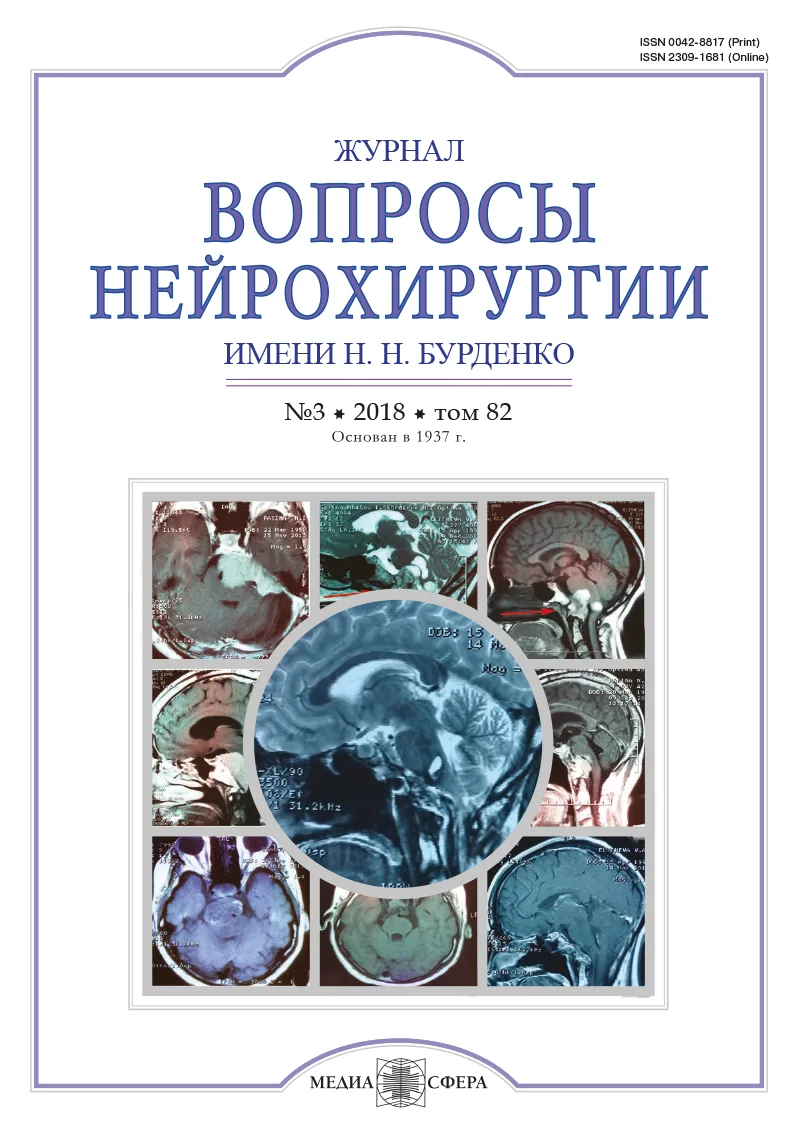
Современная диагностика и лечение посттравматической гидроцефалии
Журнал: Вопросы нейрохирургии имени Н.Н. Бурденко. 2018;82(3):81-87.
Прочитано: 11378 раз
Резюме
Ключевые слова
- последствия черепно-мозговой травмы
- посттравматическая гидроцефалия
- вторичная гидроцефалия
- вентрикуломегалия
- восстановление сознания
- шунтирующие операции
- шунт-инфекция
Дата публикации: 30.04.2020
Список сокращений
МРТ — магнитно-резонансная томография
ПТГ — посттравматическая гидроцефалия
ЧМТ — черепно-мозговая травма
ЦСЖ — цереброспинальная жидкость
DESH — Disproportionally enlarged subarachnoid space hydrocephalus
Черепно-мозговая травма и ее последствия остаются одной из ведущих причин инвалидизации и смертности у лиц трудоспособного возраста [1]. С развитием и внедрением в клиническую практику принципов доказательной медицины удалось улучшить результаты лечения пострадавших в остром периоде тяжелой ЧМТ [2—4]. Однако снижение летальности привело к возрастанию числа пациентов с последствиями ЧМТ, в том числе с ПТГ. Гидроцефалия затрудняет восстановление и реабилитацию пострадавших [5]. Связь развития гидроцефалии с предшествующей ЧМТ установлена давно [6, 7]. Ее клинические и нейровизуализационные аспекты разработаны [8—10]. Тем не менее распознавание ПТГ при вегетативном статусе и состоянии минимального сознания остается затруднительным, а число необоснованных хирургических вмешательств и, как следствие, неудовлетворительных исходов лечения остаются высокими.
Тяжелое состояние пациентов с ПТГ, наличие сопутствующей патологии и нередко низкий уровень сознания делают их крайне уязвимыми к инфекционным осложнениям и декомпенсации фоновой хронической патологии. Даже малоинвазивные исследования (люмбальная пункция, наружное люмбальное дренирование, инфузионные тесты) могут стать причиной обострения хронической инфекции, декомпенсации водно-электролитных, гормональных и иных нарушений [10].
Основной интерес нейрохирургов в настоящее время сосредоточен на изучении идиопатической нормотензивной гидроцефалии, а проблеме вторичной гидроцефалии уделяется значительно меньше внимания. Для данного обзора проведен поиск актуальной англоязычной литературы в системе Medline по ключевым словам posttraumatic (OR) post-traumatic hydrocephalus, secondary hydrocephalus, hydrocephalus (AND) traumatic brain injury. Поиск литературы проводился начиная с 1965 г., когда S. Hakim [7] впервые описал так называемую гидроцефалию нормального давления у пациентов с последствиями ЧМТ. Всего использовано 65 источников литературы.
<b>Патоморфологические основы развития посттравматической гидроцефалии</b>
Данные литературы о частоте развития ПТГ варьируют в широких пределах — от 0,8 до 95% [9, 11, 12], что, по-видимому, связано с ошибочным включением в эту категорию всех пациентов с посттравматической вентрикуломегалией, включая атрофию, «запущенную» травмой мозга. Вероятно, частота развития ПТГ вследствие ЧМТ достигает 20% [9, 12]. Главной причиной патологического накопления ЦСЖ в ликворной системе (как и при нетравматических субарахноидальных кровоизлияниях) является обструкция путей ликворотока в субарахноидальных пространствах, что препятствует адекватной резорбции ЦСЖ [13—16]. Нередко после гнойно-воспалительных осложнений в остром периоде ЧМТ на фоне спаечного процесса развивается интравентрикулярная обструкция ликворных путей (на уровне отверстий Монро, водопровода головного мозга, отверстий IV желудочка), а также базальных цистерн.
Развитие гидроцефалии преимущественно связано с исходно более тяжелой ЧМТ [12, 17]. Широкое внедрение в нейротравматологическую практику методов хирургической коррекции рефрактерной внутричерепной гипертензии снизило летальность при тяжелой ЧМТ с очаговыми и диффузным повреждениями головного мозга, однако достоверно не улучшило отдаленных исходов у выживших [4]. Ряд авторов [18—20] указывают на возможную связь между развитием ПТГ и выполнением декомпрессивной краниоэктомии в остром периоде ЧМТ.
Предполагается, что на развитие гидроцефалии влияет размер декомпрессивной трепанации, а точнее — близкое расположение ее верхнего края к средней линии (менее 25 мм) и, следовательно, к верхнему сагиттальному синусу [20]. Возможно, что широкая декомпрессивная трепанация оказывается дополнительным травмирующим фактором и ухудшает состояние субарахноидальных каналов ликворотока [17]. Другая гипотеза рассматривает изменение объемных соотношений и градиента ликворного и венозного давления в условиях негерметичного черепа как причину нарушения резорбции ликвора [21]. Предполагается, что необходимое для работы клапанного механизма резорбции пульсационное давление ЦСЖ в субарахноидальных пространствах уменьшается, приводя к уменьшению резорбции ликвора [22].
В одном из исследований [22] взаимосвязи ранней краниопластики и регресса ликвородинамических нарушений отмечено, что закрытие дефекта черепа, выполненное в сроки до 35 сут от момента декомпрессии, способствовало спонтанному регрессу вентрикуломегалии. Влияние декомпрессивной краниоэктомии на развитие ликвородинамических нарушений требует дальнейшего изучения и уточнения.
<b>Ведущие клинические проявления ПТГ</b>
Клинические проявления гидроцефалии вариабельны и часто представляют мозаичное сочетание симптомов первичных повреждений мозга и привнесенных ПТГ. Гидроцефалия может носить гипертензионный характер или протекать по типу нормотензивной гидроцефалии. Достоверных данных о частоте встречаемости различных вариантов ПТГ в литературе не обнаружено. Диагностика вторичной гипертензивной гидроцефалии не представляет затруднений, особенно у пациентов с пролабированием мягких тканей в трепанационное отверстие. В этих случаях картина заболевания представлена местными проявлениями в сочетании с общемозговой симптоматикой, локальным болевым синдромом или психопатологической симптоматикой [10, 12]. В случаях нормотензивной посттравматической гидроцефалии и у пациентов с низким уровнем сознания диагностика и определение показаний к хирургическому лечению нередко затруднительны [23].
Течение и клинические проявления нормотензивной ПТГ во многом определяется степенью восстановления пострадавших после ЧМТ. На фоне сглаживания первичной симптоматики начинают развиваться симптомы классической триады Хакима [7]. В этих случаях обследование следует международным рекомендациям по диагностике и лечению нормотензивной гидроцефалии с набором тестов, включающем tap-тест (динамическое нейропсихологическое тестирование и оценка изменений походки после люмбальной пункции с выведением ликвора) [24, 25].
У пациентов, перенесших тяжелую ЧМТ, после длительной комы может отмечаться замедление темпов восстановления сознания, а причиной этого может быть нормотензивная ПТГ. Для оценки динамики психопатологических процессов в подобных наблюдениях предложен ряд шкал: стадии восстановления сознания после длительной комы, GOS-E, JFK Coma Recovery Scale-Revised, Nippon scale и т. д. [26, 27].
При выявлении у пациента, перенесшего ЧМТ, вентрикуломегалии и нарушений сознания необходима дифференциальная диагностика между атрофическим процессом и нормотензивной ПТГ. У пациентов с посттравматической гидроцефалией в вегетативном статусе и состоянии минимального сознания проведение динамического нейропсихологического тестирования до и после tap-теста невозможно, и оценивается динамика уровня сознания [5, 10, 28]. Однако изменения психического статуса у таких пациентов после tap-теста наблюдаются не всегда и могут необъективно интерпретироваться врачом и родственниками пациентов.
<b>Нейровизуализационная диагностика посттравматической гидроцефалии</b>
Диагностика ПТГ требует применения методов нейровизуализации. Рутинные К.Т. и МРТ в стандартных режимах — доступные и простые методы для выявления вентрикуломегалии. Описан ряд патогномоничных для ПТГ признаков: 1) баллонообразное расширение передних рогов боковых желудочков; 2) расширение височных рогов и III желудочка; 3) расширение базальных цистерн и IV желудочка; 4) перивентрикулярные зоны гиподенсивного сигнала [8, 28]. Для оценки степени расширения желудочков и динамики их размеров после лечения используют различные индексы: индекс Эванса, соотношение размеров передних и задних рогов боковых желудочков (FOHR — frontal-occipital horn ration), а также ряд методик МР-волюметрии [29—32].
Конечно, даже характерные нейрорентгенологические критерии гидроцефалии не могут быть показаниями к хирургическому лечению [33]. Для неинвазивной диагностики гидроцефалии применяются новые модальности МРТ. Ряд методик (МР-цистернография) позволяет выявлять интравентрикулярную окклюзию, оценивать состояние базальных цистерн и конвекситальных субарахноидальных пространств [29]. oтмечено, что диспропорциональное расширение субарахноидальных пространств (DESH) на коронарных срезах чаще выявляется у пациентов с нормотензивной гидроцефалией. На МРТ DESH характеризуется сдавлением субарахноидальных пространств конвекситальных поверхностей на фоне выраженного расширения боковых щелей (см. рисунок). 
Другим распространенным современным методом диагностики нормотензивной гидроцефалии является фазоконтрастная МРТ с кардиосинхронизацией для оценки ликвородинамических показателей у пациентов с вентрикуломегалией. Различные скоростные и объемные показатели ликвороциркуляции на уровне сильвиева водопровода головного мозга исследовались у пациентов с подозрением на нормотензивную гидроцефалию, здоровых добровольцев и пациентов с вентрикуломегалией на фоне цереброваскулярной болезни [35].
Наибольшую чувствительность и специфичность относительно гидроцефалии выявили для таких показателей, как mean flow (средний объем ликвора, проходящий через сильвиев водопровод за минуту) и stroke volume (ударный объем ликвора в водопроводе за один сердечный цикл) [36]. Такой тип ликвородинамики назван гиперпульсационным и рядом авторов считается патогномоничным для гидроцефалии нормального давления и достаточным прогностическим критерием эффективности шунта. Вместе с тем другие исследования [37—39] выявили низкую чувствительность данных показателей ликвородинамики и продемонстрировали, что они не могут рассматриваться как единственные предикторы положительного эффекта операции. Также обнаружено, что при длительном течении гидроцефалии показатели ликвородинамики могут меняться и не коррелировать с клиническими проявлениями [40]. В течение 1-го года после появления характерной для гидроцефалии симптоматики и соответствующей МР-картины показатели ликвородинамики при фазоконтрастной МРТ имели гиперпульсационный тип, но в дальнейшем нормализовались, хотя клинические проявления, напротив, прогрессировали.
Современные модальности МРТ позволяют визуализировать анатомо-функциональные связи различных структур головного мозга и прецизионно определять очаговые поражения. Обнаружение тех или иных повреждений, в особенности глубинной локализации, в остром периоде ЧМТ может быть предиктором неблагоприятного исхода [41]. Возможно, что выявление тех или иных очаговых изменений глубинных структур при предоперационном обследовании пациентов с ПТГ (особенно, в вегетативном статусе и состоянии минимального сознания) можно также рассматривать как предиктор неудовлетворительного исхода шунтирующей операции.
В условиях вентрикуломегалии очевидно происходит растяжение и сдавление волокон белого вещества. В ряде исследований проведено измерение фракционной анизотропии методом диффузионно-тензорной МРТ у пациентов с идиопатической нормотензивной гидроцефалией. В ряде исследований показано, что коэффициент фракционной анизотропии снижается в мозолистом теле и увеличивается в области заднего бедра внутренней капсулы, что коррелировало с выраженностью клинических проявлений [42—44].
Таким образом, помимо рутинных методов обследования в арсенале нейрорентгенологических исследований появляются новые методики, которые, возможно, облегчат диагностику и лечение ПТГ, однако до настоящего времени широкого распространения в клинической практике они не получили.
<b>Лечение ПТГ</b>
Основной задачей лечения гидроцефалии является нормализация объемных внутричерепных соотношений [10]. Показания к хирургическому лечению устанавливаются на основе клинико-рентгенологических данных, свидетельствующих о прогрессирующем накоплении ЦСЖ. «Золотым стандартом» в лечении всех видов гипо-/арезорбтивной гидроцефалии в настоящее время является вентрикулоперитонеостомия [24].
Совершенствование современных шунтирующих систем позволяет дифференцированно подходить к выбору клапана шунтирующей системы в каждом клиническом случае [28]. Появление программируемых клапанов с возможностью неинвазивной коррекции давления открытия позволяет подбирать оптимальную для каждого пациента степень дренирования ликвора и избегать дополнительных операций при синдромах неадекватного дренирования ликвора [45, 46]. Имплантацию сложных шунтирующих систем с программируемым давлением открытия клапана можно рекомендовать в группе пациентов с нормотензивной гидроцефалией [47, 48].
С учетом различных вариантов ПТГ лечение может быть дифференцированным. В случаях подтвержденной окклюзии альтернативой вентрикулоперитонеостомии может быть эндоскопическая тривентрикулоцистерностомия. Однако с учетом гипо-/арезорбтивных состояний, сопровождающих ПТГ, данная методика может оказаться неэффективной [10, 28, 49].
Таким образом, современный арсенал методов лечения ПТГ и широкий выбор шунтирующих систем позволяют в каждом случае индивидуально определять вид и тактику операции, а также в ряде случаев отказаться от имплантации инородного тела в желудочковую систему. Тем не менее в литературе отсутствуют аналитические исследования эффективности эндоскопических вмешательств при ПТГ [49].
<b>Гнойно-воспалительные осложнения шунтирующих операций </b>
Наиболее грозными осложнениями хирургического лечения гидроцефалии являются гнойно-воспалительные. Частота инфицирования шунтирующих систем неодинакова в разных клиниках и у разных хирургов и составляет в среднем 1—15% [50—52].
Профилактическое применение антибиотиков целесообразно при планировании шунтирующих операций [50, 51, 53]. Достоверно снижают риск инфицирования отказ от бритья волос бритвой, использование двух пар перчаток со снятием второй пары перед имплантацией катетеров, использование шовного материала, импрегнированного антибиотиками, и аподактильные (без прикосновения к ране) манипуляции [54].
В последнее время получают распространение катетеры для шунтирующих систем, импрегнированные антибактериальными препаратами (рифамицин и клиндамицин). На основании данных Британского регистра шунтирующих операций показано уменьшение частоты инфекции на 50% при использовании катетеров [55]. Другие авторы [56] указывают на отсутствие при этом достоверного снижения частоты шунт-инфекции у пациентов, прооперированных в одной клинике. В крупном американском ретроспективном исследовании факторов риска шунт-инфекции проанализировано 12 589 шунтирующих операций в 600 клиниках. Было показано, что применение антибиотик-импрегнированных катетеров достоверно уменьшает частоту шунт-инфекции на 1,4% у взрослых и на 4,5% у детей [57].
В случаях подтвержденной шунт-инфекции лечебная тактика основывается на максимально раннем полном удалении шунтирующей системы с назначением антибиотиков широкого спектра действия до получения результатов посевов [51, 52]. При наличии у пациента шунтозависимости на время санации ликвора осуществляется наружное дренирование ЦСЖ из желудочков или выведение его через люмбальный катетер [10, 58]. Повторные шунтирующие операции выполняются при полной санации ликвора и стерильных посевах [59].
<b>Дисфункции шунтирующих систем. Синдромы неадекватного дренирования ликвора</b>
По данным крупного исследования эффективности шунтирующих операций при различных видах гидроцефалии в США, было показано, что около 80% всех шунтирующих систем выходят из строя по тем или иным причинам через 10—12 лет после имплантации [60]. Клинически дисфункции шунтирующих систем проявляются синдромами неадекватного дренирования ликвора.
Гипердренирование ликвора является одним из наиболее частых осложнений шунтирующих операций и его частота достигает 20—30% [10, 61, 62]. Синдром гипердренирования может быть связан с ошибочным выбором давления открытия клапана шунта и/или сифонным эффектом при вертикализации пациента [10, 28, 63, 64]. Клиническая картина при синдроме гипердренирования ЦСЖ вариабельна, но обычно проявляется нарастанием очаговой и общемозговой симптоматики. На фоне гипердренирования может происходить изоляция желудочков мозга, «спадение» стенок желудочков (slit-ventricle syndrome), нередко развиваются субдуральные гематомы и гигромы [10, 62].
Синдромы недостаточного дренирования развиваются в результате механических причин, таких как обтурация вентрикулярного катетера (например, сосудистым сплетением), обрыв или миграция концов катетеров (как вентрикулярного, так и перитонеального), дисконнекция компонентов шунтирующей системы, развитие абдоминальных псевдокист, недостаточное дренирование клапаном шунтирующей системы [10, 62]. Проявлениями недостаточного дренирования ликвора являются отрицательная динамика неврологического статуса пациентов с возвратом ее на дооперационный уровень.
Как отмечалось выше, использование современных программируемых клапанов позволяет корректировать давление без замены и повторных вмешательств, а в ряде случаев без дополнительного оперативного вмешательства устранять субдуральные скопления ликвора и даже хронические субдуральные гематомы [46—48, 64]. Антисифонные (гравитационные) устройства могут применяться для уменьшения частоты осложнений, связанных с гипердренированием при вертикализации пациентов [65].
Заключение
Посттравматическая гидроцефалия остается серьезным недооцененным последствием ЧМТ, затрудняющим восстановление пациентов. Применение современных методов диагностики позволяет дифференцированно подходить к лечению ПТГ у конкретного пациента, а использование программируемых шунтирующих систем персонализирует лечение и позволяет в ряде случаев избежать повторных операций. Тем не менее остается ряд нерешенных вопросов диагностики и профилактики осложнений лечения у пациентов с ПТГ. Отсутствуют объективные данные об изменениях, происходящих в головном мозге на фоне нарушений ликвороциркуляции, их обратимости и связи с клинической картиной. Все это вкупе с высоким риском гнойно-воспалительных осложнений, тяжелым состоянием пациентов и отсутствием надежных прогностических критериев эффективности операций, особенно у пациентов в вегетативном статусе и состоянии минимального сознания, определяет направление дальнейших исследований и необходимость систематизации имеющегося клинического опыта в лечении ПТГ.
Авторы заявляют об отсутствии конфликта интересов.
*e-mail: yaroslav.latyshev@gmail.com
Комментарий
Черепно-мозговая травма и ее последствия являются актуальной проблемой нейрохирургии. В статье обсуждаются современные аспекты диагностики и лечения одного из частых последствий тяжелой черепно-мозговой травмы — посттравматической гидроцефалии.
Авторы указывают на основные клинические проявления посттравматической гидроцефалии, методы диагностики, включая самые современные модальности магнитно-резонансной томографии, позволяющие получить данные об индивидуальных анатомических и ликвородинамических особенностях системы ликвороциркуляции в условиях патологии. Авторами рассматриваются слабые и сильные стороны современных МР-критериев, предложенных для неинвазивной диагностики посттравматической гидроцефалии.
Хотя лечение гидроцефалии разработано давно, нерешенной остается проблема гнойно-воспалительных осложнений ликворошунтирующих операций и осложнений, связанных с дисфункцией шунтирующих систем. В обзоре представлены актуальные подходы к уменьшению частоты шунт-инфекции, выявленные при проведении крупных исследований, основанные на принципах доказательной медицины.
Отдельно рассматриваются синдромы неадекватного дренирования ликвора и дисфункции шунтирующих систем. Авторы, опираясь на современную литературу и исследования, указывают на эффективность применения программируемых клапанов и антигравитационных устройств для преодоления этих осложнений шунтирования ликвора.
Проведенный анализ литературы показал, что посттравматическая гидроцефалия остается недооцененным последствием ЧМТ, влияющим на восстановление и реабилитацию пациентов. Дифференциальная диагностика требует дальнейшего развития и усовершенствования. Применение в клинической практике доказанно эффективных методов предотвращения шунт-инфекции и современных клапанов шунтирующих систем позволяет улучшить результаты лечения гидроцефалии.
В.А. Лазарев (Москва)


Рекомендуем статьи по данной теме:
Профессор Виктор Николаевич Звягин. К 85-летию со дня рождения.Судебно-медицинская экспертиза. 2026;69(5):67-70
Профессор Виктор Ильич Прозоровский. К 125-летию со дня рождения.Судебно-медицинская экспертиза. 2026;69(5):65-66
Алевтина Михайловна Орлова. К 80-летию со дня рождения.Судебно-медицинская экспертиза. 2026;69(5):63-64
Профессиональная подготовка специалистов в области судебно-химической и химико-токсикологической экспертизы: ключевые аспекты.Судебно-медицинская экспертиза. 2026;69(5):56-62
К вопросу о судебно-медицинском значении трупной имбибиции вокруг подкожных вен в случаях смерти от общего переохлаждения.Судебно-медицинская экспертиза. 2026;69(5):49-55
Роль магнитно-резонансной томографии в диагностике диффузного аксонального повреждения.Судебно-медицинская экспертиза. 2026;69(5):42-48
Анатомические варианты, аномалии и другие неметрические характеристики скелета при судебно-медицинской экспертизе костных останков (случаи из практики).Судебно-медицинская экспертиза. 2026;69(5):38-41
Сравнительная характеристика огнестрельных повреждений, произведенных с разного расстояния самоснаряженными и фабрично изготовленными патронами 12-го калибра при выстрелах из ружья МЦ 21-12.Судебно-медицинская экспертиза. 2026;69(5):32-37
Электронно-микроскопическая характеристика повреждений волос, причиненных предметами различной остроты.Судебно-медицинская экспертиза. 2026;69(5):28-31
О возможности установления видовой принадлежности пятен слюны методом количественного иммуноферментного анализа.Судебно-медицинская экспертиза. 2026;69(5):24-27