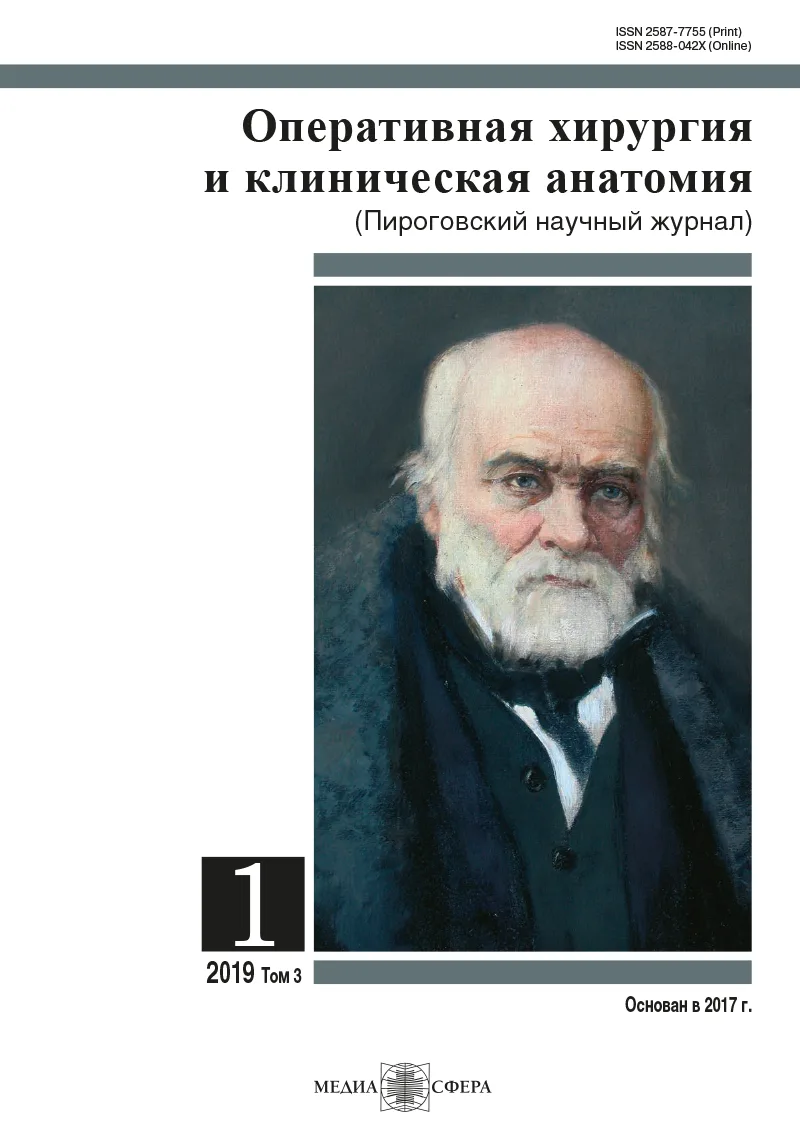
Зависимость академической успеваемости студентов медицинского вуза от временной иерархии изучаемых дисциплин (поучительные итоги критического самоанализа)
Журнал: Оперативная хирургия и клиническая анатомия (Пироговский научный журнал). 2019;3(1):32-38.
DOI: 10.17116/operhirurg2019301132
Прочитано: 1749 раз
Резюме
Ключевые слова
- высшее образование
- академическая успеваемость студентов
- основные образовательные программы
Дата публикации: 03.05.2020
Канувшие в прошлое социально-экономические потрясения 1990-х годов в России естественным образом отразились на состоянии системы высшего образования. Отечественный вариант «демократизации» образовательных структур сказался прежде всего на статусе высших учебных заведений. Успешно справлявшиеся в советские времена со своими образовательными функциями столичные и периферийные институты в мгновение ока превратились в университеты и академии, открыв для убедительности своего высокого статуса многочисленные новые факультеты, зачастую не имеющие прямого отношения к основному профилю учебного заведения. Здравый смысл подсказывает, что столь радикальная статусная трансформация отечественных вузов была вызвана не патологическим честолюбием их руководителей и коллективов, а острой жизненной необходимостью во времена полной экономической разрухи. Новый статус учреждения давал надежду на более основательное федеральное финансирование, чего на самом деле не случилось, и отечественные вузы до сих пор с переменным успехом продолжают борьбу за выживание.
Согласно данным Федеральной службы государственной статистики, всего в 2017—2018 учебном году образовательную деятельность в России осуществляли 766 университетов [2]. Эта цифра выглядит вполне реально, если учесть, что количество только медицинских вузов с этим статусом приближается к 70. Уместно заметить, что в Российской империи за всю ее историю существовало 12 императорских университетов. Качество подготовки в них специалистов остается до сих пор предметом зависти за рубежом. Образовательную эффективность нынешней российской вузовской системы покажет время.
Процесс «демократизации» в сфере высшего образования имел одно несомненное достоинство. Он вернул свойственную университетам еще в царские времена самостоятельность, правда, в несколько своеобразной современной форме, заключающейся главным образом в необходимости самостоятельно зарабатывать средства к существованию. Этот уже далеко не новый социально-экономический феномен в последние годы, согласно теории неолиберализма, получил название академического капитализма, представляющего весь спектр действий университета, направленных на поиск дополнительного внешнего финансирования, в частности посредством привлечения коммерческих отечественных и иностранных студентов [3]. Во всем остальном образовательная деятельность вузов регламентируется практически двумя официальными документальными формами — «дорожной картой» и Федеральными государственными образовательными стандартами высшего образования (ФГОС ВО).
Хронология «дорожной карты» достаточно ординарна. Распоряжением Правительства Российской Федерации (РФ) от 30.12.12 № 2620-р утвержден План мероприятий («дорожная карта») «Изменения в отраслях социальной сферы, направленные на повышение эффективности образования и науки». Как выяснилось позднее, лейтмотивом этого распоряжения был перевод системы высшего образования на так называемый эффективный контракт. Распоряжение обязывало Минобрнауки и органы исполнительной власти субъектов РФ разработать и утвердить до 01.05.13 одноименные региональные планы мероприятий («дорожные карты») и обеспечить мониторинг их реализации.
По распоряжению Правительства Р.Ф. 30.04.14 вышла одноименная новая версия «дорожной карты», ее естественным следствием стал Приказ Минздрава России от 15.08.14 № 446, утверждающий ведомственную «дорожную карту», дополненную изменениями в 2016 и 2017 гг. (приказы № 118 и 198). Последние одноименные версии Минздрава конкретно формулируют принципы и условия перехода медицинских образовательных учреждений на эффективный контракт с перечислением основных количественных характеристик, необходимых для этого перехода на период с 2013 по 2018 г. На этом эволютивный круг «дорожной карты» пока замкнулся, поскольку основная ее цель — регламентация перехода на эффективный контракт — была достигнута.
История ФГОС ВО является более драматичной, хотя хронологически она примерно совпадает с историей «дорожной карты». ФГОС ВО 3 по направлению подготовки (специальности) 060101 «Лечебное дело» (квалификация (степень) «специалитет») утвержден Приказом № 1118 Минобрнауки России 08.11.10 и введен в действие со дня его вступления в силу. Предполагалось, что по окончании обучения по специальности «Лечебное дело» выпускник должен освоить 8 общекультурных и 32 профессиональные компетенции. В более поздней версии («поколении») ФГОС наименование и количество компетенций претерпели изменения, логику которых проследить довольно трудно. В 2016 г. после принятия в 2012 г. Федерального закона «Об образовании в Российской Федерации» в образовательную практику было введено новое «поколение» стандартов — ФГОС ВО 3+, которым по сей день руководствуются вузы. Однако уже с сентября 2019 г. планируется введение ФГОС ВО 3++. Преподавательский корпус, на плечи которого ложится практическая реализация этих зарубежных нововведений (многократная переработка основных образовательных и учебных дисциплинарных программ), приведен в замешательство, так как заявлена, но пока не доведена до конца версия ФГОС 3+++ с обещанием внедрения в ближайшем будущем «поколения» ФГОС 4.
Внедренная ФГОС ВО 3 структура основной образовательной программы (ООП) предусматривала 3 учебных цикла: 1) гуманитарный, социальный и экономический; 2) математический, естественно-научный; 3) профессиональный. Кроме того, были определены 3 раздела: 1) физическая культура; 2) учебная и производственная практики, научно-исследовательская работа; 3) итоговая государственная аттестация. Общая трудоемкость всего образовательного процесса составляет 360 зачетных единиц (з.е.) — отечественного эквивалента Европейской Системы Перевода Кредитов (ECTS) [4], включающих базовую и вариативную части образовательного процесса.
Один из старейших медицинских вузов страны — ФГБОУ ВО «Курский государственный медицинский университет» Минздрава России (КГМУ), пребывая в статусе университета с июня 1994 г., не остался в стороне от упомянутых нововведений. Как уже было сказано, основной проблемой университетской системы менеджмента качества, учебно-методического управления, деканатов и кафедр на сегодняшний день продолжает оставаться адаптация ООП к бесконечно меняющимся «поколениям» ФГОС. В соответствии с приведенной выше версией ФГОС 3 дисциплина «Топографическая анатомия и оперативная хирургия» (ТА и ОХ) была отнесена к базовой части математического и естественно-научного цикла с трудозатратностью 5 з.е., т. е. меньше, чем для таких сугубо теоретических дисциплин, как биология (6 з.е.), гистология (6 з.е.), микробиология (7 з.е.). После того как к традиционному названию дисциплин «Патологическая физиология» и «Патологическая анатомия» несколько искусственно был добавлен термин «клиническая», они приобрели статус, оцениваемый в 8 з.е., фактически не став клиническими кафедрами. При этом чисто формальная сторона вопроса перешла в организационную плоскость, и в 2013 г. весьма объемная и важная с практической точки зрения дисциплина «ТА и ОХ» решением деканата лечебного факультета была перенесена с VI семестра 3-го курса, где ее преподавали в течение многих десятилетий, на IV семестр 2-го курса. Этот учебный регламент сохранялся в течение 5 лет. Основанием для такого переноса послужила необходимость отдать приоритетные учебные трудозатраты собственно клиническим кафедрам. С текущего 2018—2019 учебного года решением деканата дисциплину вновь будут преподавать по старому учебному плану с весеннего (VI) семестра 3-го курса. Возвращение ситуации «на круги своя» объясняется довольно просто. Традиционное преподавание дисциплины «ТА и ОХ» на 3-м курсе всегда было тесно связано с параллельным преподаванием в этом периоде обучения таких клинических дисциплин, как «Пропедевтика внутренних болезней» и «Общая хирургия», оказывающих весомое взаимное мотивирующее влияние. Студенты 2-го курса, еще не приобщившиеся к клинической работе с больными (курации), не могут в должной мере осознавать практическую значимость топографии органов и систем человеческого организма, тем более что многие из них приступают к изучению дисциплины, имея экзаменационную задолженность по курсу нормальной анатомии. Они еще не имеют представления о семиотике и диагностике заболеваний, схоластически относятся к обширному списку изучаемых оперативных вмешательств и показаниям к их выполнению. С этой позиции перенос дисциплины «ТА и ОХ» на 2-й курс если и должен был состояться в силу действительно объективных причин, то при условии обязательного переноса и названных клинических дисциплин.
Цель работы — попытка установить зависимость академической успеваемости студентов медицинского вуза от местонахождения учебной дисциплины в основной образовательной программе на примере курса «Топографическая анатомия и оперативная хирургия» в Курском государственном медицинском университете.
В основу исследования легли результаты сравнительного анализа показателей академической успеваемости студентов лечебного факультета КГМУ за два периода — 7-летнего «традиционного» при обучении на 3—4-м курсах (с 2008 по 2014 г.) и последовавшего за ним «инновационного» периода (после перевода дисциплины на 2—3-й курсы с 2013 по 2018 г.). Проанализированы результаты промежуточной аттестации 1744 студентов 4-го курса и 1747 студентов 3-го курса. В качестве показателей промежуточной аттестации были использованы средний балл на экзаменах по дисциплине, а также процентное соотношение и динамика по годам оценок «отлично», «хорошо», «удовлетворительно» и «неудовлетворительно», полученных студентами на экзаменах с первого раза (без учета пересдач).
Эффективность вузовского образовательного процесса, главным показателем которой является академическая успеваемость студентов, зависит от многих факторов, главные из них составляют классическую триаду — наличие квалифицированного и мотивированного преподавателя, подготовленного абитуриента и современного материально-технического обеспечения учебного процесса [5]. Однако предваряющее статью в виде эпиграфа энциклопедическое определение понятия «академизм» вносит свои коррективы в незыблемость названной триады, и в данном случае речь идет не о былых высоких гуманитарных традициях отечественной академической школы. Как показал довольно поучительный опыт, на успеваемость студентов существенное влияние оказывает местонахождение предмета во временной иерархии изучаемых дисциплин. Вероятно, этот фактор имеет место и в учебных заведениях технического профиля, но в медицинском вузе преемственность в преподавании действительно или условно теоретических и собственно клинических дисциплин является если не определяющей, то чрезвычайно важной.
Как сказано выше, в 2013 г. в русле предполагаемой эффективной реализации требований ФГОС ВПО 3 начало преподавания дисциплины «ТА и ОХ» в КГМУ было перенесено с 3-го на 2-й курс. В течение предшествовавшего переходу 7-летнего периода (2008—2014 гг.), как и во все предыдущие десятилетия, академическая успеваемость студентов не отличалась однообразием. Средний балл промежуточной аттестации (экзамена по предмету) был подвержен вполне естественным колебаниям, зависящим главным образом от уровня общей подготовки набираемого контингента абитуриентов (рис. 1, левая 
С весеннего семестра 2013 г. на кафедре оперативной хирургии и топографической анатомии стали параллельно заниматься и, соответственно, в январе 2014 г. сдавать экзамен 2-го курса — 3-й («новый») и 4-й («старый»).
Средняя (переходная) часть диаграммы (см. рис. 1) свидетельствует о том, что из этого последовало. Проведенная в один и тот же период времени одними и теми же преподавателями промежуточная аттестация выявила отчетливое различие в академической успеваемости экзаменуемых контингентов. Если в цифровом выражении эта разница не выглядит значительной, то ее графический вариант является достаточно демонстративным. Деградирующая тенденция в академической успеваемости студентов более младшего курса в целом сохраняется и в дальнейшем (см. рис. 1, правая половина), достигнув минимального значения среднего экзаменационного балла (3,45) в 2017 г.
В связи со сложившейся ситуацией администрация университета разъяснила сотрудникам кафедры, что столь низкий балл никак не соответствует критериальным значениям «дорожной карты», после чего в следующем 2018 г. средний балл промежуточной аттестации по дисциплине приобрел вполне «приличный» вид. Еще большее впечатление производит графическое сравнение средних значений успеваемости студентов 3-го и 4-го курсов по 2 периодам обучения (рис. 2). 
Определенный интерес представляет анализ динамики средних экзаменационных баллов в иерархической последовательности оценок от «отлично» до «неудовлетворительно» (рис. 3). 

Проведенный эксперимент, жертвой которого стала кафедра оперативной хирургии и топографической анатомии, можно смело отнести к категории антиинноваций, которых достаточно много в современной образовательной системе. В 2017 г. нововведению был дан обратный ход, но весьма дорогой ценой. Для того чтобы вернуться к прежнему учебному регламенту — началу изучения предмета на 3-м курсе, кафедра на целый год лишилась студентов лечебного факультета — своей основной категории обучающихся.
Смысловое многообразие понятия «академизм», изначально принадлежавшего итальянской школе изобразительного искусства, позволило ему прижиться во многих сферах человеческой деятельности, странным образом сообразуясь как с положительными, так и с отрицательными ее проявлениями. По отношению к отечественному университетскому образованию академизм всегда ассоциировался с его главными достоинствами — и профессиональными, и морально-этическими. Попытка представить университетский академизм как нечто косное, мешающее естественному прогрессу высшего профессионального образования, особенно если она воплощается в недостаточно продуманных, а порой и откровенно неприемлемых для отечественной образовательной системы реформах, иногда приводит к результатам, прямо противоположным желаемым. На нашем поучительном опыте принятое и казавшееся прогрессивным нововведение — перенос предмета «Топографическая анатомия и оперативная хирургия» с 3-го на 2-й курс, резко снизившее средние показатели промежуточной аттестации, стало убедительным подтверждением надежности испытанной временем иерархии преподаваемых в медицинском вузе дисциплин, в значительной степени влияющей на академическую успеваемость студентов. В соответствии с естественным прогрессом медицинской науки и педагогики могут меняться и образовательные парадигмы, совершенствоваться контенты изучаемых дисциплин, но их смысловая и функциональная взаимосвязь должна оставаться бережным объектом административного воздействия, а не полем для недостаточно продуманных учебных экспериментов.
Авторы заявляют об отсутствии конфликта интересов.
The authors declare no conflicts of interest.
Сведения об авторах
Бежин А.И. — д.м.н., проф., зав. кафедрой оперативной хирургии и топографической анатомии ФГБОУ ВО «Курский государственный медицинский университет» Минздрава России; abezin@yandex.ru
Зубарев В.Ф. — к.м.н., доцент кафедры оперативной хирургии и топографической анатомии ФГБОУ ВО «Курский государственный медицинский университет» Минздрава России
Нетяга А.А. — к.м.н., доцент кафедры оперативной хирургии и топографической анатомии ФГБОУ ВО «Курский государственный медицинский университет» Минздрава России


Рекомендуем статьи по данной теме:
Профессор Виктор Николаевич Звягин. К 85-летию со дня рождения.Судебно-медицинская экспертиза. 2026;69(5):67-70
Профессор Виктор Ильич Прозоровский. К 125-летию со дня рождения.Судебно-медицинская экспертиза. 2026;69(5):65-66
Алевтина Михайловна Орлова. К 80-летию со дня рождения.Судебно-медицинская экспертиза. 2026;69(5):63-64
Профессиональная подготовка специалистов в области судебно-химической и химико-токсикологической экспертизы: ключевые аспекты.Судебно-медицинская экспертиза. 2026;69(5):56-62
К вопросу о судебно-медицинском значении трупной имбибиции вокруг подкожных вен в случаях смерти от общего переохлаждения.Судебно-медицинская экспертиза. 2026;69(5):49-55
Роль магнитно-резонансной томографии в диагностике диффузного аксонального повреждения.Судебно-медицинская экспертиза. 2026;69(5):42-48
Анатомические варианты, аномалии и другие неметрические характеристики скелета при судебно-медицинской экспертизе костных останков (случаи из практики).Судебно-медицинская экспертиза. 2026;69(5):38-41
Сравнительная характеристика огнестрельных повреждений, произведенных с разного расстояния самоснаряженными и фабрично изготовленными патронами 12-го калибра при выстрелах из ружья МЦ 21-12.Судебно-медицинская экспертиза. 2026;69(5):32-37
Электронно-микроскопическая характеристика повреждений волос, причиненных предметами различной остроты.Судебно-медицинская экспертиза. 2026;69(5):28-31
О возможности установления видовой принадлежности пятен слюны методом количественного иммуноферментного анализа.Судебно-медицинская экспертиза. 2026;69(5):24-27